Bhai Dooj 2025: Complete Guide to History, Significance, Rituals & Celebration
Disha7 min read
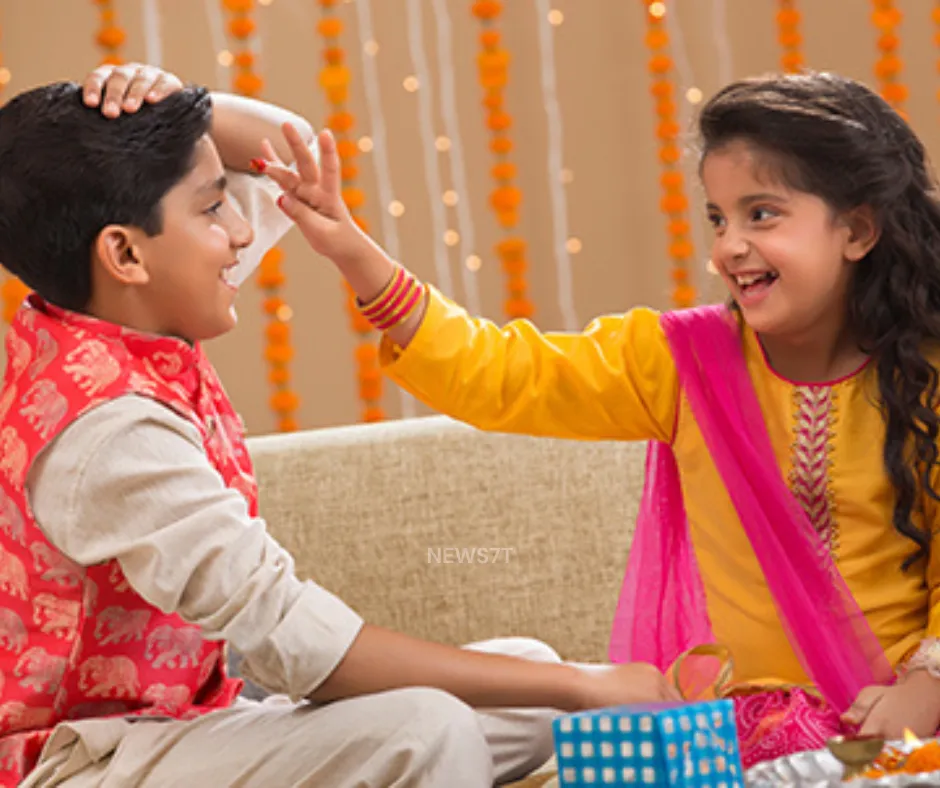
Bhai Dooj India is a land of festivals that celebrate love, unity, and the deep-rooted bonds of human relationships. Among these, Bhai Dooj stands out as a heartwarming festival that honors the sacred relationship between brothers and sisters. Celebrated just after Diwali, Bhai Dooj — also known as Bhaiya Dooj, Bhau Beej, or Bhai Phonta — strengthens the emotional connection between siblings and highlights the traditional Indian values of affection, protection, and familial love.
In 2025, Bhai Dooj will be celebrated on Wednesday, October 22, 2025, marking the second lunar day (Dwitiya Tithi) of the Shukla Paksha in the Hindu month of Kartika. This festival holds immense cultural and religious importance in India and among Hindu communities worldwide.
Table of Contents
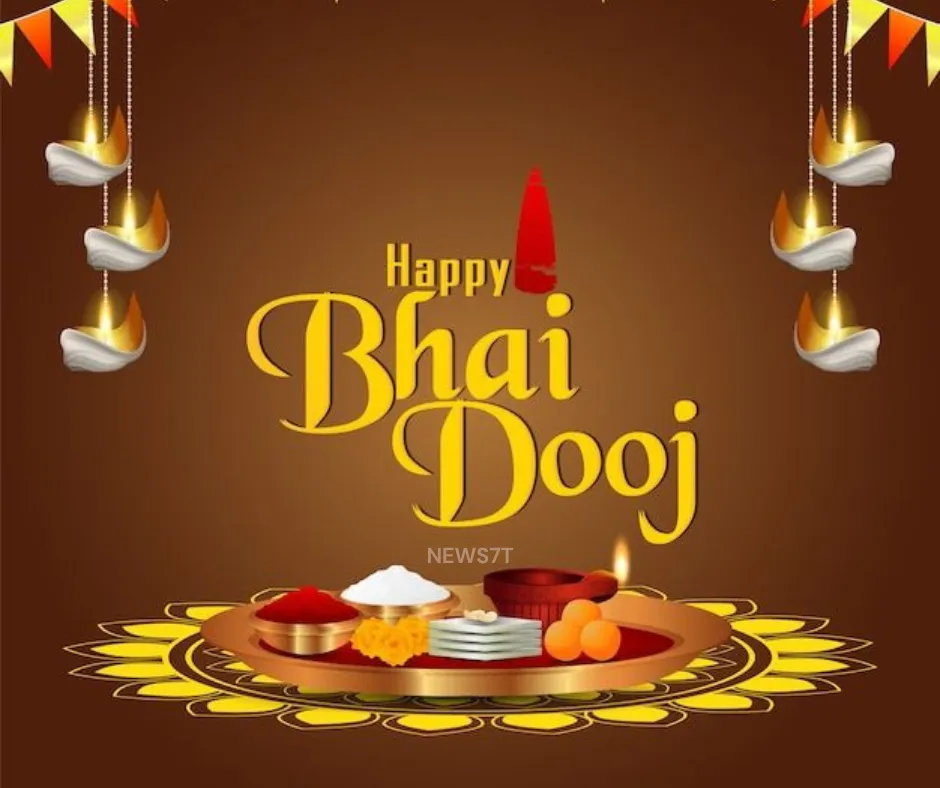
Meaning and Origin
The term Bhai Dooj is derived from two Hindi words — “Bhai” meaning brother, and “Dooj” meaning the second day after the new moon (Amavasya). Thus, Bhai Dooj literally translates to the second day dedicated to brothers. The festival signifies the brother-sister bond similar to Raksha Bandhan but with different rituals and cultural roots.
According to Hindu mythology, Bhai Dooj has several interesting legends that explain its origin and spiritual meaning.
Mythological Legends Behind Bhai Dooj
- The Legend of Lord Krishna and Subhadra
- One of the most popular legends associated with Bhai Dooj revolves around Lord Krishna and his sister Subhadra. After Lord Krishna defeated the demon Narakasura, he returned home victorious. Subhadra welcomed her brother with sweets, flowers, and a ceremonial aarti. She applied a tilak (vermillion mark) on his forehead, expressing her love and protection for him. Delighted by her affection, Lord Krishna blessed her, and since then, this ritual became symbolic of sibling love, celebrated as Bhai Dooj.
- The Story of Yama and Yamuna
- Another significant story is that of Yama (the God of Death) and his sister Yamuna (the river goddess). It is said that Yamuna invited her brother Yama to her home many times, but he couldn’t visit due to his duties. Finally, on the second day after the new moon, Yama visited her. Yamuna welcomed him with sweets and the sacred aarti, applied a tilak on his forehead, and prayed for his well-being. Moved by her love, Yama declared that any brother who receives a tilak and meal from his sister on this day will enjoy prosperity and long life. Hence, this day became known as Yama Dwitiya, another name for Bhai Dooj.
- The Tale of Lord Mahavir and His Sister Sudarshana
- According to Jain traditions, when Lord Mahavir, the 24th Tirthankara, attained Nirvana, his brother King Nandivardhan was deeply sorrowful. His sister Sudarshana comforted him with affection and care. To commemorate this bond of emotional support, Jain communities celebrate Bhai Dooj as a day dedicated to the sibling relationship.
When is Bhai Dooj 2025 Celebrated?
In 2025, Bhai Dooj will fall on Wednesday, October 22.
- Tithi Begins: October 21, 2025, at 10:08 PM
- Tithi Ends: October 22, 2025, at 12:15 AM
The Aparahna Time (afternoon) is considered the most auspicious period for performing the Bhai Dooj rituals.
Significance of Bhau Beej
Bhai Dooj celebrates the eternal love between brothers and sisters. It emphasizes the responsibility of a brother to protect his sister and the sister’s prayer for her brother’s prosperity, happiness, and long life.
This festival reinforces:
- Family bonding and mutual respect.
- The cultural value of protection and care among siblings.
- The spiritual aspect of karma and blessings in relationships.
In modern times, Bhai Phonta is also a celebration of gratitude and togetherness, often extending beyond blood relations — celebrating brotherly affection among cousins and close friends as well.
Rituals and Traditions
The celebration of Bhai Dooj differs across Indian regions, but the essence remains the same — love and protection between siblings. Below are the traditional rituals performed on this day:
The Preparations
Before the day arrives, families clean and decorate their homes. Sisters prepare sweets, arrange puja thalis (ritual plates), and buy gifts for their brothers. The thali typically includes:
- Roli (vermilion powder)
- Rice grains (Akshat)
- Coconut
- Sweets and fruits
- A lit Diya (lamp)
The Tilak Ceremony
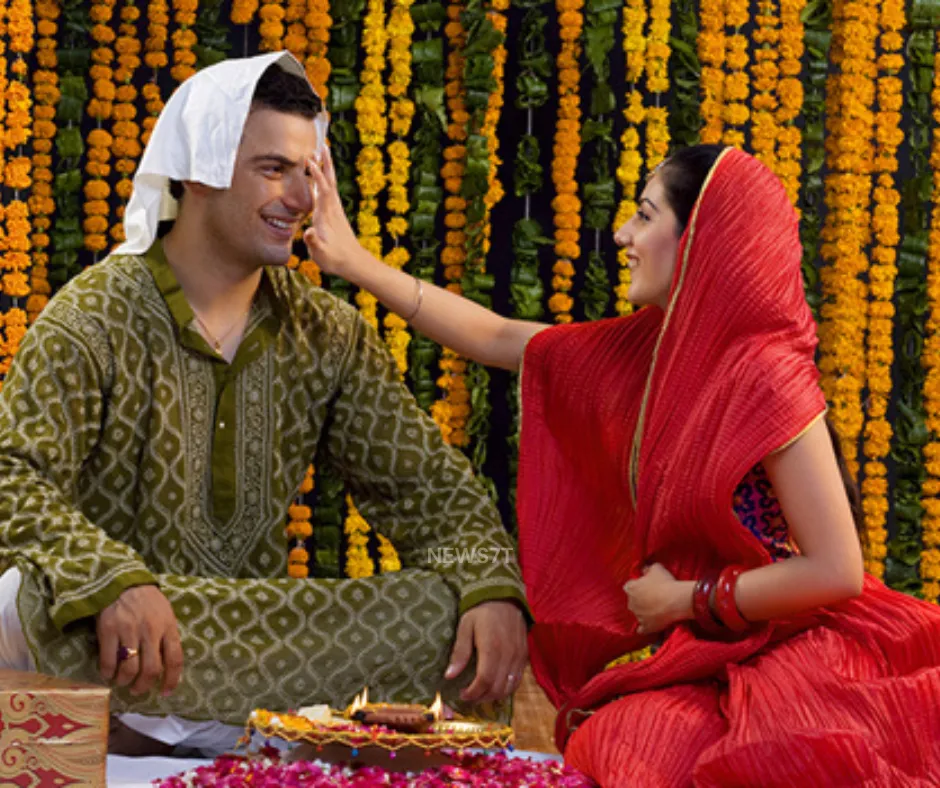
On the auspicious day, sisters invite their brothers to their homes. They perform the aarti (a ritual of worship using a lit lamp) and apply a red tilak or chandan (sandalwood) mark on their brother’s forehead. The tilak signifies blessings and protection against evil.
Exchanging Gifts and Sweets
After the tilak, sisters offer sweets and food prepared specially for the occasion. In return, brothers give gifts, money, or symbolic items of love to their sisters. The exchange is not about material value but about expressing care and appreciation.
Prayers and Blessings
Sisters pray for their brothers’ long life, prosperity, and happiness, while brothers promise to protect their sisters throughout their lives. The emotional exchange of blessings is the highlight of Bhai Dooj.
Regional Variations of Bhai Dooj Across India
India’s cultural diversity gives Bhai Dooj unique flavors in different regions.
- Bhau Beej (Maharashtra and Goa)
- Bhau Beej is another name for Bhai Dooj in Maharashtra and Goa.. Sisters invite their brothers for a grand feast that includes Puran Poli, Shrikhand, and sweets. Brothers give gifts in return, symbolizing gratitude and affection.
- Bhai Phonta (West Bengal)
- Bhai Dooj is known as Bhai Phonta in West Bengal. The festival involves a strict ritual where the sister fasts until she applies the phonta (tilak) on her brother’s forehead. The ceremony is followed by a lavish feast and gifts.
- Bhai Tika (Nepal)
- In Nepal, Bhai Dooj is known as Bhai Tika and is one of the most significant days of the Tihar festival (the Nepalese version of Diwali). Sisters apply a seven-colored tilak (Saptarangi Tika) on their brothers’ foreheads and offer garlands made of marigolds and sacred threads. This symbolizes protection from all negative energies.
- Yam Dwitiya (Northern India)
- In northern India, especially in Uttar Pradesh and Haryana, Bhai Dooj is often referred to as Yam Dwitiya, in honor of Yama and Yamuna. People also bathe in the sacred Yamuna River on this day for purification and blessings.
- Bhau Beej in Gujarat
- Gujaratis celebrate this day with enthusiasm, where sisters invite their brothers for a meal and apply the ceremonial tilak. Traditional sweets like Basundi and Jalebi are prepared to mark the occasion.
Foods and Delicacies of Bhai Phonta
Every Indian festival is incomplete without delicious food, and Bhai Dooj is no exception. The festival’s menu includes traditional sweets and festive dishes like:
- Kheer (Rice pudding)
- Laddoos
- Barfi and Jalebi
- Poori and Chole
- Puran Poli (Maharashtra)
- Rasgulla and Sandesh (West Bengal)
These delicacies add sweetness to the sibling bond and symbolize prosperity.

Modern-Day Celebration of Bhai Dooj
In today’s world, Bhaiya Dooj continues to hold immense emotional significance. Even if siblings live far apart due to careers or education, they celebrate through virtual meetings, online gifts, and video calls. Social media platforms are filled with heartfelt messages, photos, and memories shared by brothers and sisters.
Gift companies and e-commerce platforms introduce Bhaiya Dooj gift hampers, personalized presents, and digital greeting cards to make the occasion memorable.
Spiritual Significance of Bhai Dooj
Beyond family and tradition, Bhai Dooj carries deep spiritual meanings:
- The tilak represents the Ajna Chakra (the third eye), symbolizing clarity and protection.
- The exchange of blessings mirrors the Hindu concept of karma and dharma, promoting selfless love and duty.
- It reminds us of the divine bond between siblings, a relationship built on purity and trust.
- Bhaiya Dooj 2025: Date, Muhurat, and Ritual Timings
- Bhai Dooj 2025 – Wednesday, October 22, 2025
- Dwitiya Tithi Begins – October 21, 2025 10:08 PM
- Dwitiya Tithi Ends – October 22, 2025 12:15 AM
- Aparahna Time (Most Auspicious)– 01:20 PM to 03:45 PM
Importance of Bhai Dooj in Modern Families
In a fast-paced world where families are often separated by distance and busy schedules, Bhai Dooj acts as a reminder to pause and cherish family bonds. It’s a day for expressing gratitude, sharing memories, and rebuilding emotional connections.
For many, it’s not limited to biological siblings — cousins, friends, and even chosen brothers and sisters celebrate it, emphasizing that family is not just blood, but also love and loyalty.
Eco-Friendly and Thoughtful Celebration Ideas
As awareness about sustainability grows, people are adopting eco-friendly ways to celebrate Bhai Dooj:
Using natural tilak made of turmeric and sandalwood.
Choosing eco-conscious gifts like handmade crafts, plants, or organic sweets.
Avoiding plastic decorations and using flowers and diyas instead.
Donating to charity or helping underprivileged siblings in society.
Such mindful celebrations make the festival more meaningful and responsible.
Quotes and Messages for Bhaiya Dooj 2025
Here are some heartfelt quotes you can use in social media posts or greeting cards:
“Brothers and sisters are bound by love, strengthened by memories, and celebrated on Bhai Dooj.”
“”Let’s honor the most exquisite connection of love, care, and trust on Bhai Dooj””
“”A brother and sister’s love bond cannot be weakened by distance.”
Bhaiya Dooj 2025 is more than just a festival — it’s a heartfelt reminder of the sacred bond between brothers and sisters. Rooted in mythology, culture, and tradition, the festival reflects the timeless Indian values of love, protection, respect, and togetherness.
As we celebrate Bhai Phonta in the modern era, the rituals may evolve, but the emotions remain the same. Whether it’s lighting a diya, sharing sweets, or sending a message across miles, Bhai Phonta reminds us that relationships built on love are the true treasures of life.