National Chocolate Day 2025: The Ultimate Celebration of Delicious Sweetness
Disha8 min read
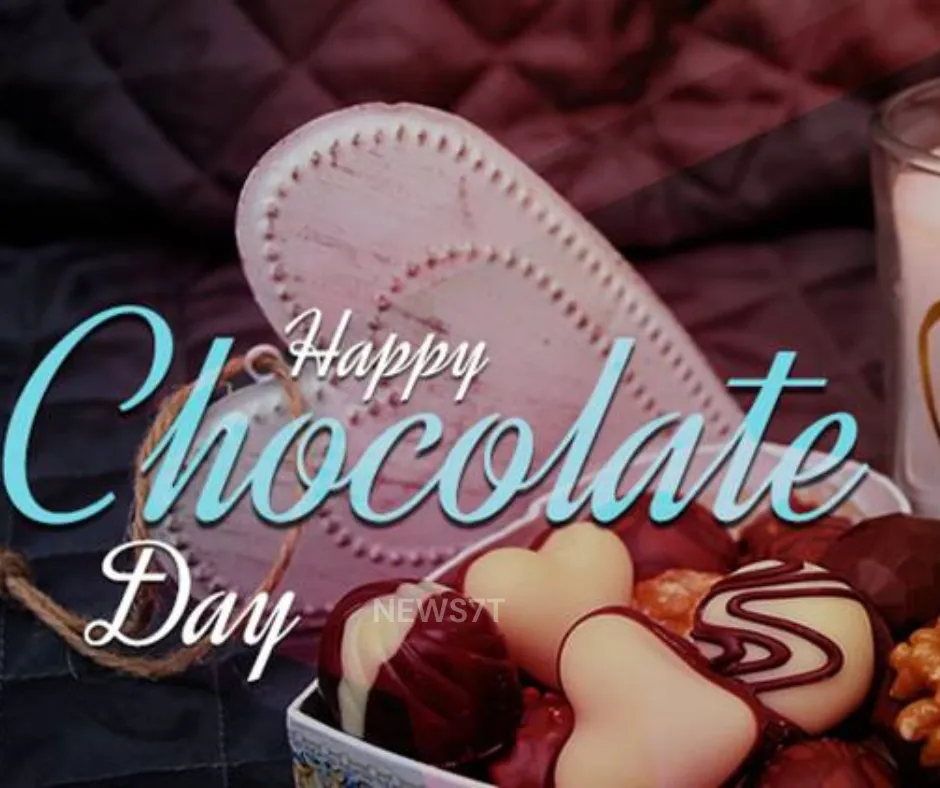
Chocolate Day Whether it’s a creamy milk bar, a rich dark truffle, or a delicious hot cocoa — chocolate is a universal language of love, happiness, and indulgence. Every year, National Chocolate Day gives us the perfect reason to celebrate this sweet delight that has captured hearts all over the world.
Observed on October 28, National Chocolate Day recognizes one of the most popular and versatile foods ever created. It’s a day to honor the art, history, and joy that chocolate brings to people’s lives — from kids who eagerly unwrap candy bars to pastry chefs crafting gourmet desserts.
In this article, we’ll explore everything you need to know about National Chocolate Day 2025 — including its history, importance, celebrations, fun facts, health benefits, and delicious ways to enjoy it.
Table of Contents
History of National Chocolate Day
The story of chocolate begins thousands of years ago, long before candy bars and cocoa drinks filled supermarket shelves. Chocolate’s origins can be traced back to ancient Mesoamerican civilizations, especially the Maya and Aztec cultures of Central and South America.
The Ancient Origins of Chocolate
The word “chocolate” comes from the Aztec word “xocoatl”, referring to a bitter beverage made from cacao beans. The ancient people of the Americas considered cacao a sacred gift from the gods. The Maya used it in religious rituals, while the Aztecs believed that cacao seeds were so valuable that they used them as currency.
Chocolate in those times wasn’t sweet — it was a spicy, bitter drink made with ground cacao beans, water, and chili peppers. Only the elite — kings, warriors, and priests — had access to it.
Chocolate’s Journey to Europe
When Christopher Columbus and later Hernán Cortés came across cacao during their explorations, they brought it to Europe in the 16th century. Europeans added sugar, milk, and spices, transforming the bitter drink into the sweet, rich beverage we know today.
By the 17th century, chocolate had become a fashionable luxury in European courts, especially in Spain, France, and England. It wasn’t until the 19th century, with the invention of solid chocolate and milk chocolate by innovators like Joseph Fry, Rodolphe Lindt, and Daniel Peter, that chocolate became widely available and affordable.
The Birth of National Chocolate Day
In the United States, National Chocolate Day was created as part of a larger effort to celebrate America’s favorite treats. Although the exact origins of the day are unclear, the observance is widely recognized and promoted by the National Confectioners Association and various chocolate brands.
Today, it stands as a tribute to the craftsmanship of chocolatiers, the agricultural importance of cacao farmers, and the universal joy that chocolate brings.
The Significance of National Chocolate Day
National Chocolate Day isn’t just a reason to indulge your sweet tooth — it’s also a reminder of chocolate’s cultural, economic, and emotional significance.
A Celebration of Joy and Comfort
Chocolate has a unique way of making people happy. The rich flavor, creamy texture, and aroma trigger the brain to release endorphins, the feel-good hormones that reduce stress and boost mood.
That’s why chocolate is often associated with celebrations — from birthdays and Valentine’s Day to anniversaries and holidays. National Chocolate Day celebrates that sense of joy and emotional comfort.
Supporting the Cacao Industry
Behind every chocolate bar lies a global network of farmers, producers, and artisans. The cacao industry supports millions of workers, particularly in countries like Ivory Coast, Ghana, and Indonesia, where most of the world’s cacao is grown.
National Chocolate Day helps raise awareness about fair trade practices, sustainability, and ethical sourcing — ensuring that cacao farmers are paid fairly and that forests are protected.
Honoring Creativity and Craftsmanship
From handmade truffles to gourmet chocolate sculptures, the artistry involved in chocolate-making is remarkable. Chocolatiers experiment with flavors, textures, and designs — pushing the boundaries of creativity.
This day celebrates their dedication, skill, and innovation in turning simple cacao into edible art.

How to Celebrate National Chocolate Day 2025
There are endless ways to celebrate this delightful day — whether you want to treat yourself, make gifts for loved ones, or explore the art of chocolate-making. Here are some fun and meaningful ideas:
Indulge in Your Favorite Chocolate
Start the day by treating yourself to your favorite kind — dark, milk, white, or ruby chocolate. Try new brands or flavors that you haven’t tasted before.
You could even host a chocolate tasting session at home — with friends sampling chocolates from around the world.
Try a Chocolate Recipe
Put on your chef hat and experiment in the kitchen. Bake brownies, cupcakes, or chocolate lava cakes. If you prefer something chilled, try chocolate mousse, fudge, or homemade truffles.
A simple and fun idea is to make your own hot chocolate bar with toppings like marshmallows, whipped cream, caramel drizzle, and cinnamon sticks.
Gift Chocolates
Nothing says love like a box of chocolates. Surprise your friends, colleagues, or family with beautifully wrapped chocolate boxes. You could even make DIY chocolate hampers with assorted bars, cocoa, and sweet treats.
Visit a Local Chocolatier or Café
Support small businesses by visiting local chocolatiers, bakeries, or cafés. Many offer special discounts, workshops, or tastings on National Chocolate Day.
Learn About the Chocolate-Making Process
Take this opportunity to learn where chocolate comes from. Watch documentaries or read about cacao farming, fermentation, and chocolate production. Understanding the process deepens appreciation for every bite.
Share the Joy Online
Join the global celebration by sharing your chocolate moments on social media. Use hashtags like #NationalChocolateDay, #ChocolateLovers, or #SweetCelebration to connect with other chocolate fans.
The Science and Health Benefits of Chocolate
Believe it or not, eating chocolate — especially dark chocolate — can be good for you (in moderation). Here’s what science says:
Rich in Antioxidants
Dark chocolate is packed with flavonoids, powerful antioxidants that help protect cells from damage, improve blood flow, and lower blood pressure.
Good for the Heart
Several studies have shown that moderate chocolate consumption may reduce the risk of heart disease by improving cholesterol levels and circulation.
Boosts Mood and Brain Function
Chocolate increases the production of serotonin and dopamine, chemicals that elevate mood and reduce stress. It also contains caffeine and theobromine, which enhance focus and alertness.
A Source of Minerals
Chocolate provides essential nutrients like iron, magnesium, and zinc, which support the immune system, muscle function, and overall health.
Caution: Everything in Moderation
While chocolate has health benefits, it’s important to enjoy it in moderation. Excessive sugar and fat can offset its advantages. Opt for dark chocolate with at least 70% cocoa for maximum benefits.

Different Types of Chocolate
Not all chocolate is the same! Let’s explore the main types and what makes each one special.
Dark Chocolate
Contains 70% or more cocoa, minimal sugar, and no milk solids. It’s rich, slightly bitter, and considered the healthiest form of chocolate.
Milk Chocolate
Made with milk solids, sugar, and cocoa butter, giving it a creamy and sweet taste. It’s the most popular type worldwide.
White Chocolate
Technically not true chocolate since it contains cocoa butter but no cocoa solids. It’s sweet, buttery, and pairs well with fruits.
Ruby Chocolate
A newer variety with a natural pink hue, made from ruby cocoa beans. It offers a unique fruity, slightly sour flavor.
Couverture and Compound Chocolate
Couverture is premium chocolate used by chefs, rich in cocoa butter and ideal for tempering. Compound chocolate uses vegetable fat instead of cocoa butter, making it cheaper but less rich in flavor.
Fun Facts About Chocolate
- It takes 400 cacao beans to make one pound of chocolate.
- The average person eats around 9 kg (20 lbs) of chocolate per year.
- Over 12,000 pounds was the weight of the biggest chocolate bar ever produced.
- Chocolate was once used as currency by the Aztecs.
- Joseph Fry invented the first chocolate bar in England in 1847.
- The priciest chocolate bar in the world costs more than $600!
White chocolate melts faster than dark chocolate due to its higher fat content. - The smell of chocolate increases brain theta waves, which promote relaxation.
- Chocolate can be toxic to dogs, so never share your treat with pets!
- The world’s most expensive chocolate bar costs over $600!
Chocolate Around the World
Different countries have unique traditions and specialties when it comes to chocolate.
Switzerland – Famous for milk chocolate and luxury brands like Lindt and Toblerone.
Belgium – Renowned for pralines and truffles, with over 2,000 chocolatiers nationwide.
France – Known for gourmet chocolate desserts and artisanal craftsmanship.
Mexico – Birthplace of chocolate; still enjoys traditional cacao-based drinks.
Ghana & Ivory Coast – Leading cacao producers supplying most of the world’s raw cocoa.
Sustainable Chocolate: The Future of Sweetness
As global demand for chocolate increases, so does the need for ethical and sustainable production. Deforestation, child labor, and unfair wages are major concerns in the cacao industry.
Organizations and brands are now adopting Fair Trade and Rainforest Alliance certifications, which ensure that cacao is grown responsibly, workers are treated fairly, and ecosystems are protected.
When celebrating National Chocolate Day, choose ethically sourced chocolates — because sweet treats should never come at someone else’s expense.
Chocolate in Pop Culture
From movies to books and music, chocolate has always been a symbol of comfort, romance, and luxury.
- “Willy Wonka & the Chocolate Factory,” a classic movie, honors the art of confectionery.
- In literature, chocolate often represents love, temptation, and indulgence — from Harry Potter’s Chocolate Frogs to chocolate-themed romances.

A Day to Savor Every Bite
National Chocolate Day 2025 is more than a celebration of sweetness — it’s a tribute to history, creativity, and joy. Chocolate has traveled from ancient temples to modern factories, from sacred rituals to everyday comfort food.
So, on October 28, unwrap your favorite bar, share it with someone special, and savor every bite. Whether you’re indulging in a decadent dessert or learning about cacao’s journey, remember — chocolate connects us all through happiness.
Let this National Chocolate Day remind us to celebrate life’s sweetest moments — one bite at a time.