
World Day Against Child Labour: Why Every Child Deserves a Safe Childhood and a Bright Future
Disha6 min read
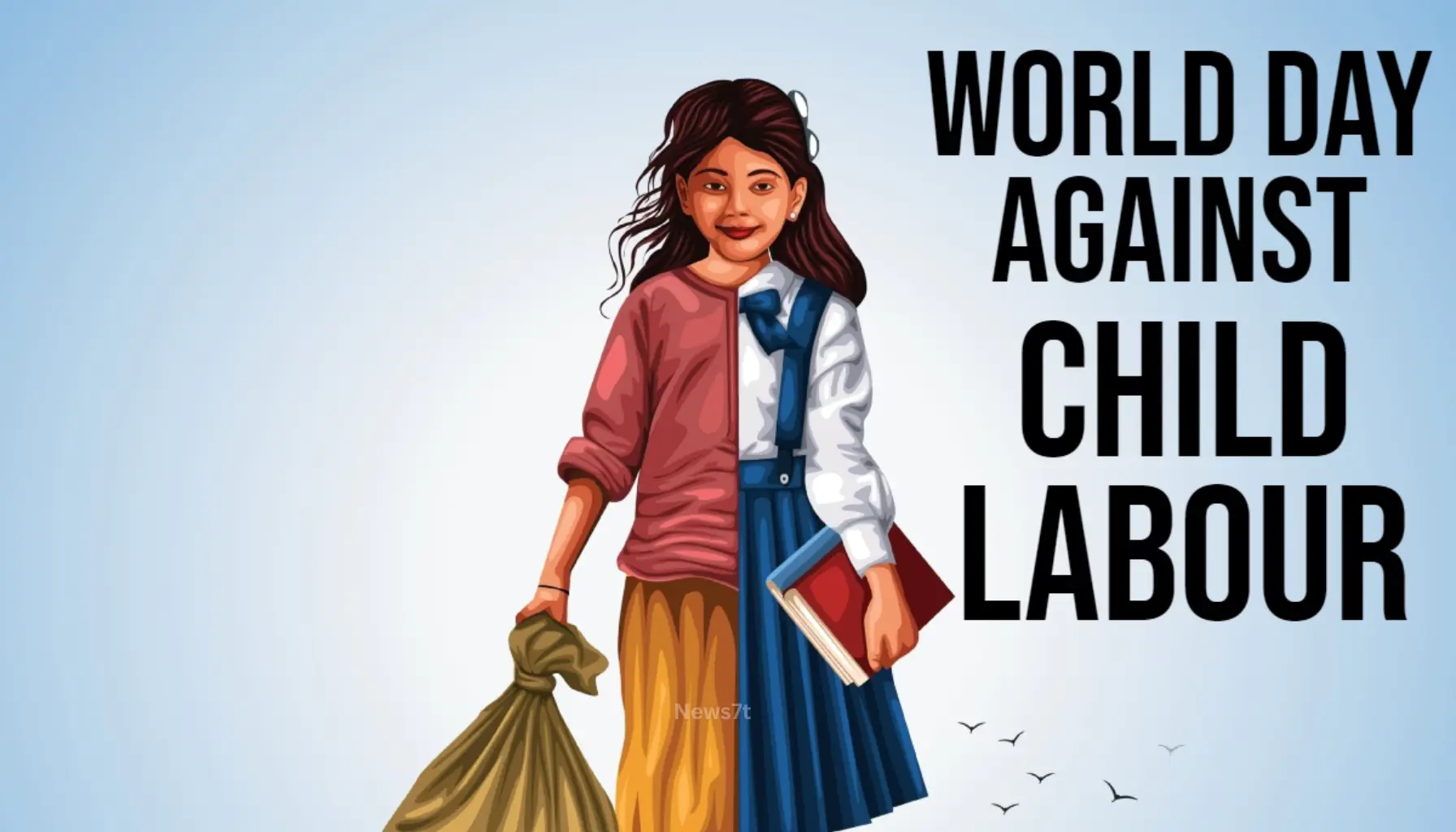
World Day Against Child Labour is observed every year on 12 June to raise awareness about child labour and encourage governments, organizations, communities, and individuals to work together to end it. Every child has the right to education, healthcare, safety, and a happy childhood. However, millions of children around the world are still forced to work in dangerous conditions instead of attending school or enjoying their childhood. The purpose of World Day Against Child Labour is to remind everyone that children belong in classrooms, playgrounds, and safe homes—not in factories, mines, farms, or hazardous workplaces.
This international observance is led by the International Labour Organization (ILO) and serves as a global call to action. On this day, countries organize awareness campaigns, educational programs, community events, and discussions to highlight the importance of protecting children from exploitation. Ending child labour requires collective effort, and every individual can play a role in creating a better future for children.
Table of Contents
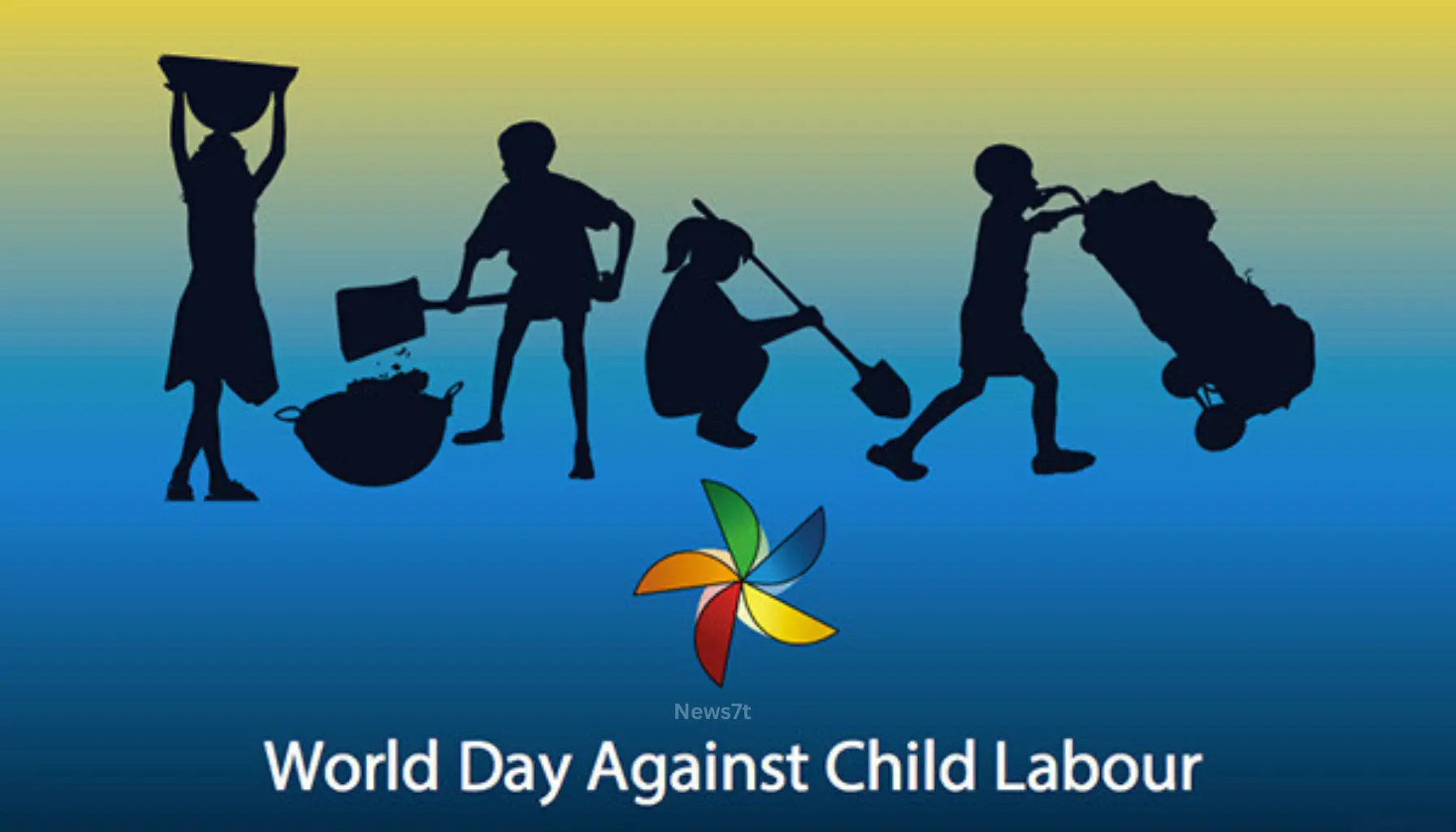
What Is World Day Against Child Labour?
World Day Against Child Labour is an international awareness day observed annually on 12 June. It was launched by the International Labour Organization (ILO) in 2002 to focus global attention on the problem of child labour and to promote actions that protect children’s rights.
The day aims to:
- Raise awareness about child labour.
- Encourage governments to enforce child protection laws.
- Promote quality education for every child.
- Support families so children do not have to work.
- Inspire communities to protect children from exploitation.
The message of this day is simple but powerful: Every child deserves education, safety, and the opportunity to achieve their dreams.
History of World Day Against Child Labour
The International Labour Organization introduced World Day Against Child Labour in 2002 after recognizing that millions of children worldwide were engaged in work that harmed their health, education, and overall development.
Over the years, governments, non-governmental organizations (NGOs), schools, businesses, and communities have joined hands to spread awareness and develop solutions to eliminate child labour. Each year, the observance focuses on different themes related to children’s rights, education, and decent work.
Today, World Day Against Child Labour is recognized across the world and continues to encourage stronger policies and greater public awareness.
Why Is World Day Against Child Labour Important?
This day is important because it highlights one of the world’s most serious social issues. Child labour affects millions of children and prevents them from reaching their full potential.
Its importance includes:
- Protecting Children’s Rights
Every child has the right to live safely, receive an education, and grow in a healthy environment.
- Promoting Education
Education helps children develop knowledge, skills, and confidence for a better future.
- Preventing Exploitation
Many children work in unsafe environments where they face physical, emotional, or financial exploitation.
- Reducing Poverty
Education and skill development help break the cycle of poverty over time.
- Building Stronger Societies
Children who receive education become productive adults who contribute positively to society.
What Is Child Labour?
Child labour refers to work that:
- Prevents children from attending school.
- Harms their physical or mental health.
- Is dangerous or exploitative.
- Forces children to work long hours.
- Interferes with their overall development.
Not every task performed by children is considered child labour. Helping parents with light household chores or age-appropriate family activities is different from work that damages a child’s education, health, or safety.
Main Causes of Child Labour
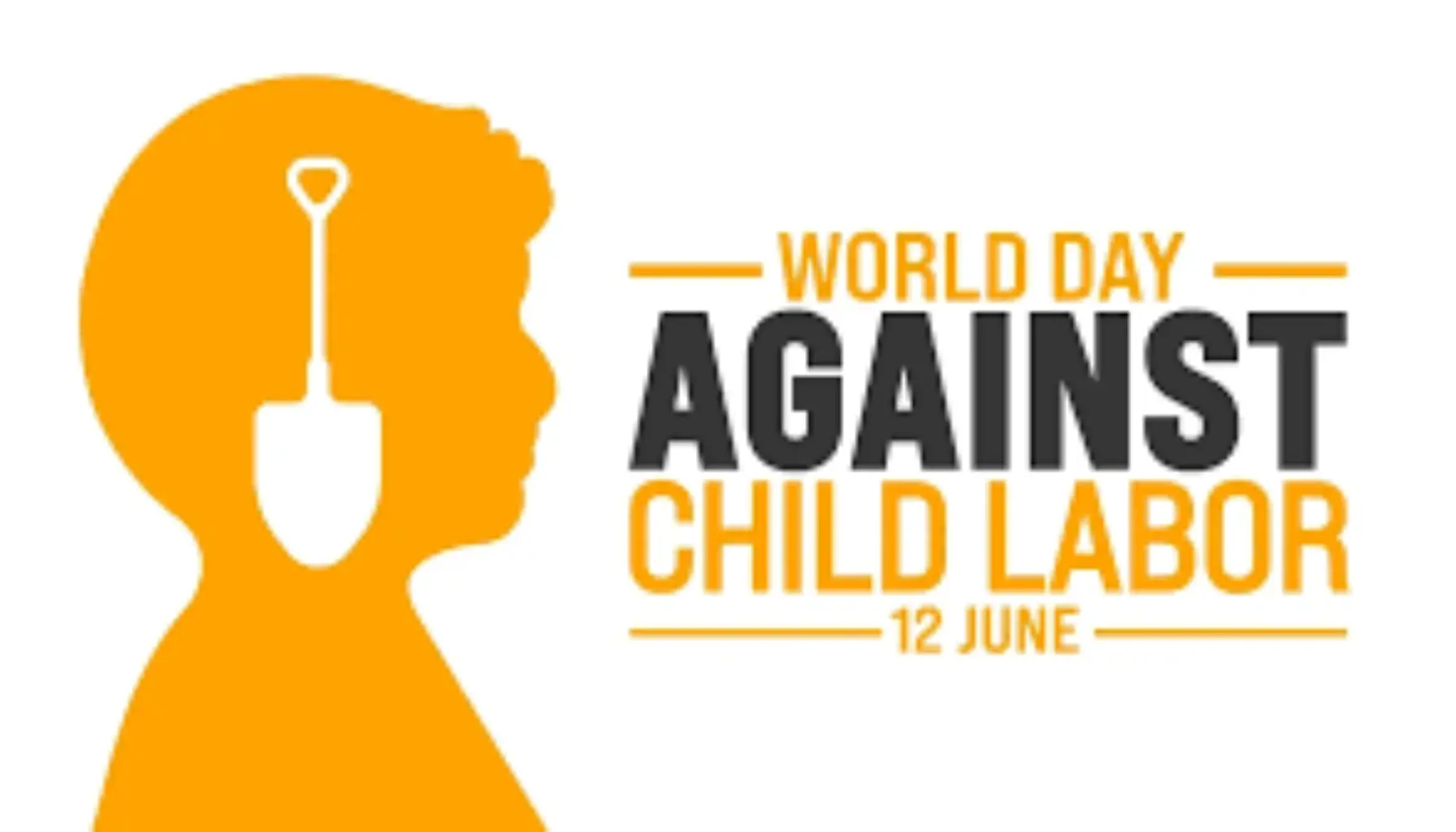
Several social and economic factors contribute to child labour.
Poverty
Poverty is one of the biggest reasons why children are forced to work. Families with very low incomes may depend on children’s earnings for survival.
Lack of Education
When schools are unavailable, expensive, or difficult to access, children are more likely to enter the workforce.
Unemployment
Parents without stable employment often struggle to support their families, increasing the risk of child labour.
Lack of Awareness
Some communities are unaware of children’s rights or the long-term value of education.
Weak Law Enforcement
Even where laws exist, poor enforcement allows child labour to continue.
Natural Disasters and Conflicts
Wars, disasters, and displacement can increase the risk of children being forced into work.
Effects of Child Labour
Child labour has serious consequences for children and society.
Physical Health Problems
Children may suffer injuries, exhaustion, illness, and long-term health issues due to dangerous working conditions.
Mental and Emotional Stress
Working from a young age can cause anxiety, fear, low self-esteem, and emotional trauma.
Loss of Education
Many working children leave school or never attend, limiting their future opportunities.
Continued Poverty
Without education, children often remain trapped in low-paying jobs as adults.
Reduced National Development
A country cannot fully develop when many children are denied education and opportunities.
Common Forms of Child Labour
Children may be found working in different sectors, including:
- Agriculture
- Factories
- Construction
- Domestic work
- Street vending
- Mining
- Fishing
- Small workshops
Some of these jobs involve dangerous conditions that are especially harmful to children.
The Role of Education in Ending Child Labour
Education is one of the most effective ways to reduce child labour.
Schools provide:
- Knowledge
- Skills
- Confidence
- Better career opportunities
- A safe environment for learning
Governments and communities should ensure that education is affordable, accessible, and inclusive for every child.
Global Efforts to End Child Labour
Many organizations are working together to eliminate child labour.
International Labour Organization (ILO)
The ILO develops international labour standards and supports countries in implementing child protection policies.
UNICEF
UNICEF works to improve education, healthcare, nutrition, and child protection around the world.
Governments
Governments create laws, improve education systems, and strengthen labour inspections.
Non-Governmental Organizations (NGOs)
NGOs provide education, rescue services, awareness campaigns, and support for vulnerable families.
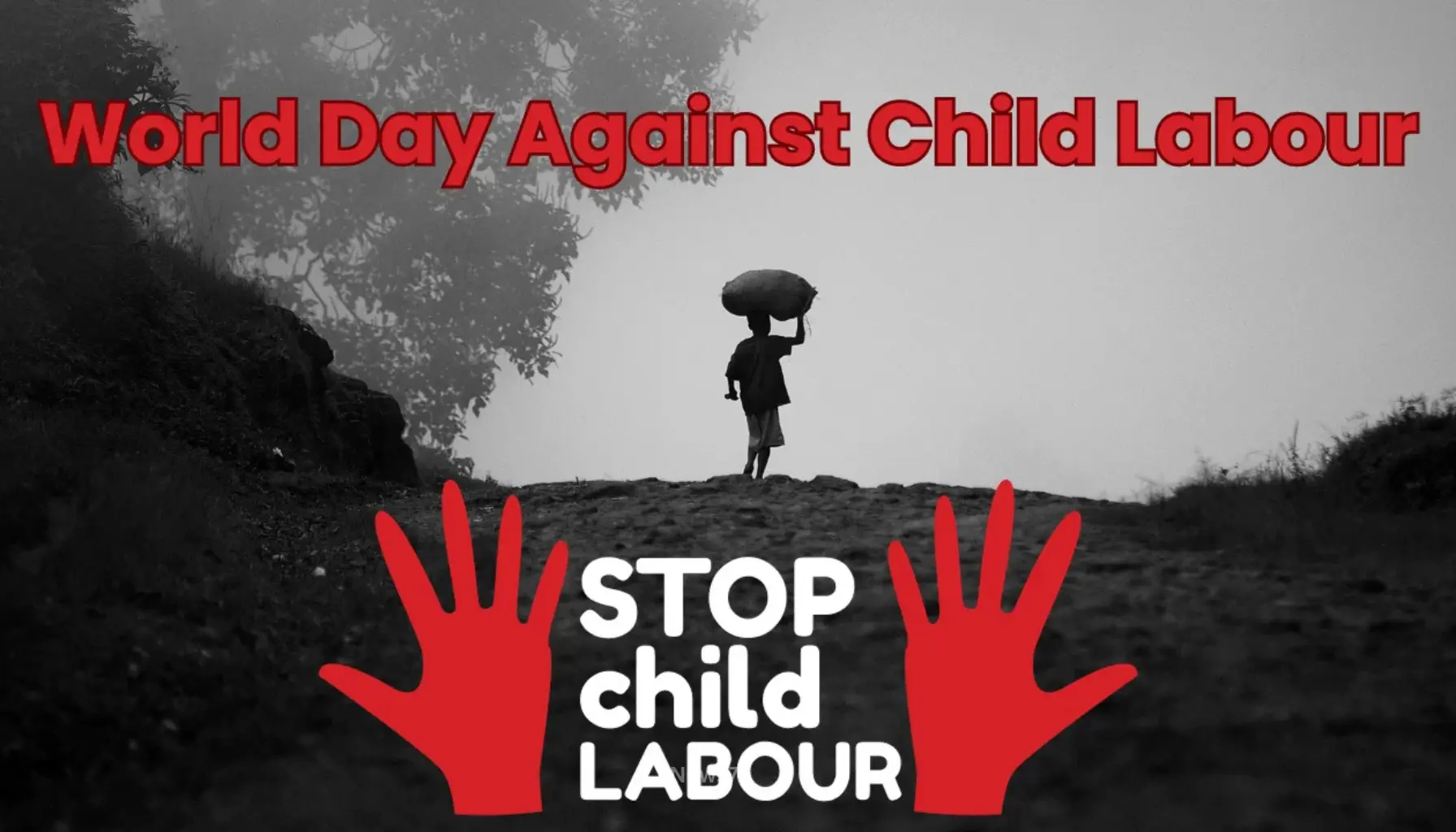
How Can We Help Stop Child Labour?
Everyone has a role to play in protecting children.
You can:
- Support education initiatives.
- Raise awareness in your community.
- Report suspected child labour to local authorities.
- Avoid buying products made through illegal child labour practices when possible.
- Support organizations working for children’s rights.Encourage equal opportunities for every child.
Small actions by many people can create meaningful change.
Theme of World Day Against Child Labour
Every year, the International Labour Organization announces a theme that focuses on a specific aspect of ending child labour. These themes encourage governments, organizations, schools, businesses, and communities to take action and strengthen efforts to protect children.
Checking the official ILO website each year is the best way to find the current theme.
World Day Against Child Labour reminds us that every child deserves a safe childhood, quality education, good health, and the opportunity to achieve their dreams. Child labour is not only a violation of children’s rights but also a barrier to social and economic development. Governments, international organizations, businesses, schools, families, and individuals all share the responsibility of protecting children from exploitation.
By supporting education, raising awareness, enforcing child protection laws, and helping vulnerable families, we can reduce child labour and build a future where every child can learn, play, and grow in a safe environment. Together, we can make the vision of a world free from child labour a reality.