Parliament Explosive Bills Clash 2026
Disha8 min read
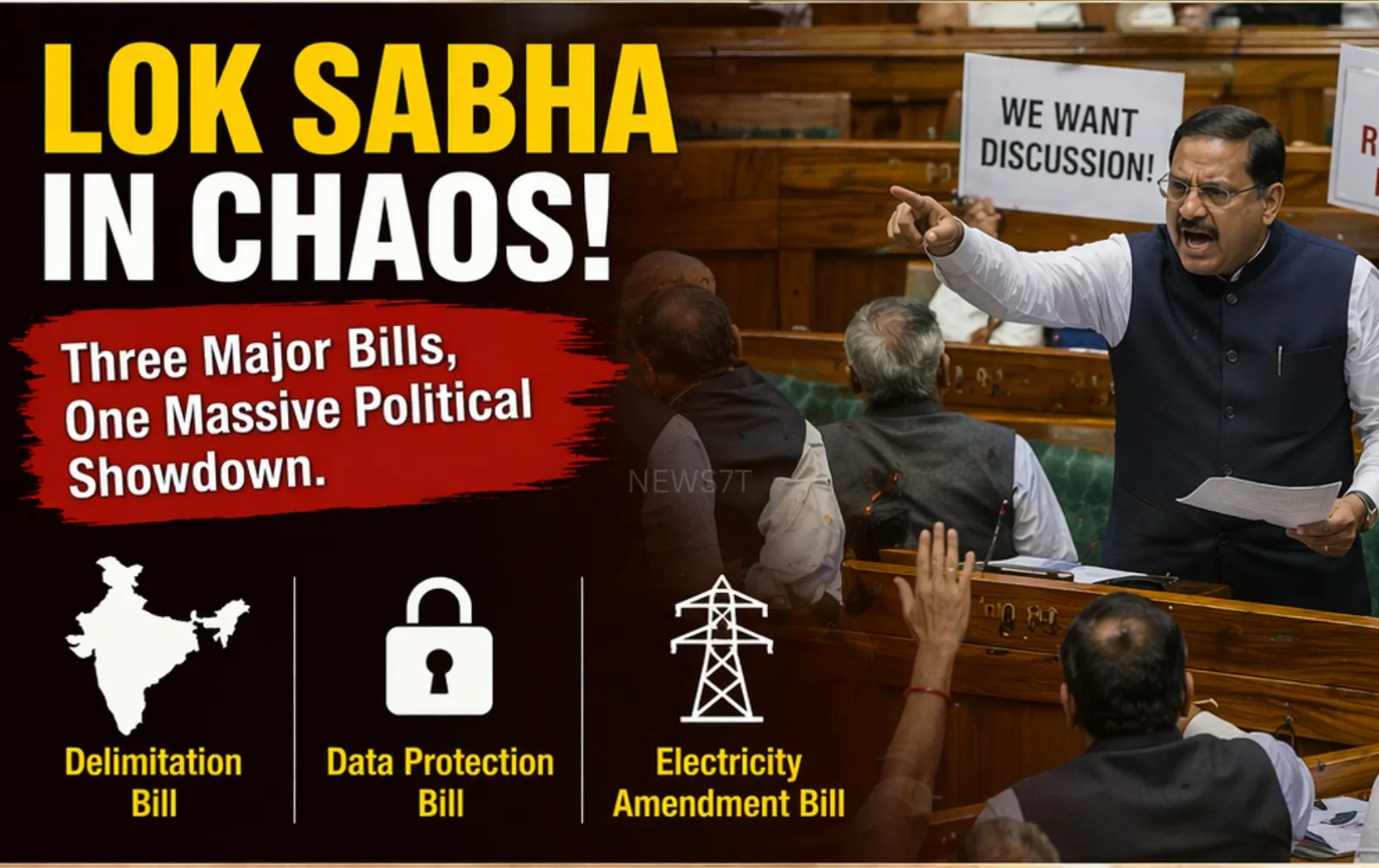
Parliament Bills The Indian Parliament has recently witnessed intense disruptions, loud protests, and repeated adjournments as political tensions continue to rise over the introduction and discussion of three major bills. This clash is not just a routine disagreement between the ruling party and the opposition; instead, it reflects deeper concerns about governance, representation, and policy direction in the country. Lawmakers from different parties have taken strong positions, leading to a highly charged atmosphere inside both the Lok Sabha and Rajya Sabha.
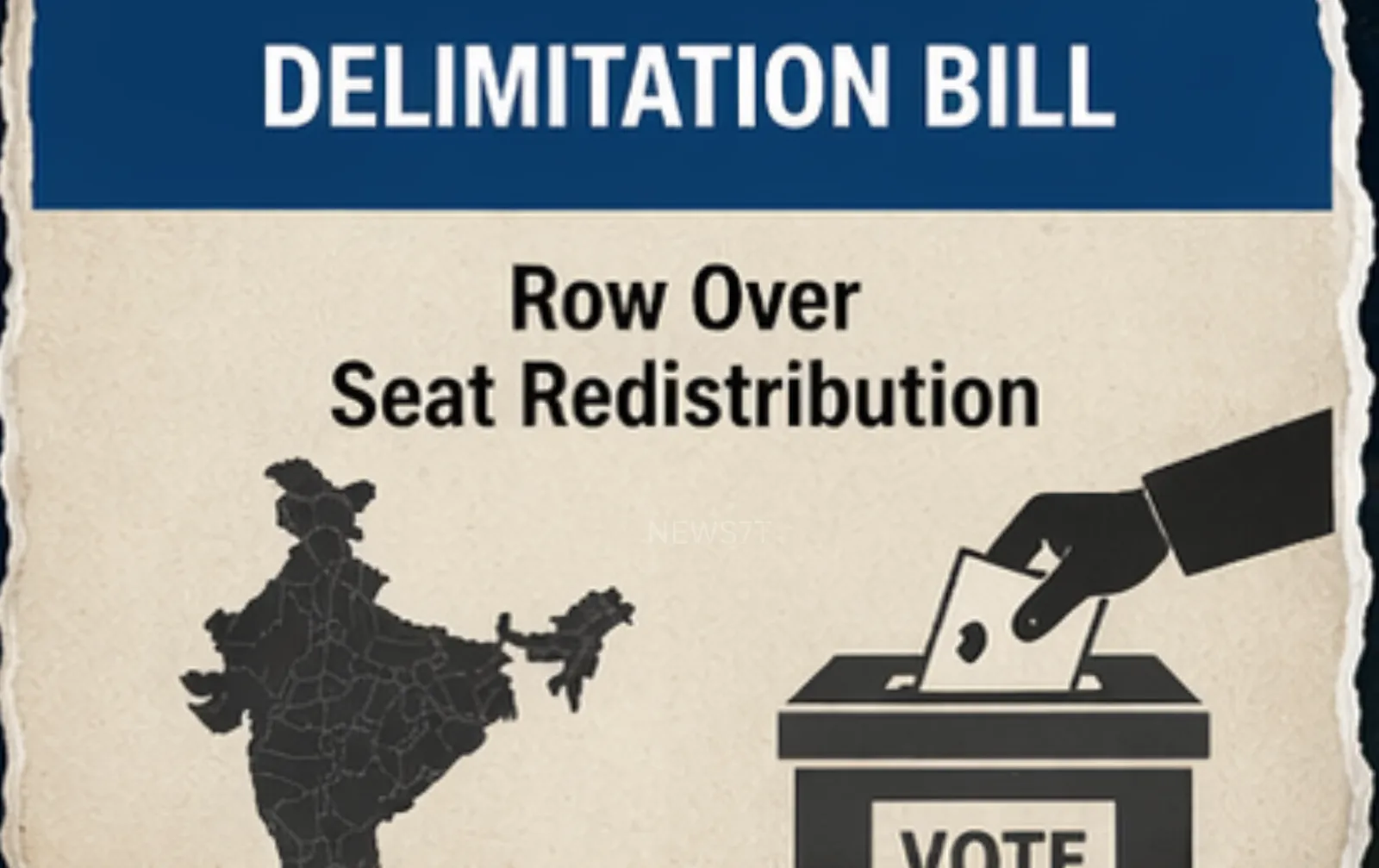
These developments have attracted nationwide attention, with citizens, analysts, and media closely following every update. The significance of this moment lies in the fact that the decisions made during this period could shape India’s political and economic future for years to come, making the ongoing conflict far more important than a typical parliamentary debate.
Table of Contents
What Is Causing the Political Tension?
The political tension in Parliament today is primarily driven by conflicting ideologies, strategic interests, and concerns about long-term consequences of the proposed legislation. While the government is presenting these bills as necessary reforms aimed at modernization and efficiency, the opposition views them with suspicion, arguing that they may disproportionately benefit certain regions or groups while disadvantaging others.
This clash is further intensified by the timing of these proposals, as political parties are already positioning themselves for future elections. The lack of consensus and limited pre-discussion between stakeholders has added fuel to the fire, resulting in heated arguments and frequent disruptions. In essence, the tension is not just about the content of the bills but also about trust, transparency, and the balance of power within India’s democratic framework.
Overview of the Three Key Bills
At the center of the parliamentary chaos are three significant legislative proposals that address different yet equally important sectors. The first is related to delimitation, which involves redrawing electoral boundaries and has direct implications for political representation. The second concerns digital personal data protection, aiming to regulate how personal information is collected and used in an increasingly digital world.
The third focuses on reforms in the electricity sector, with the goal of improving efficiency and encouraging private participation. Each of these bills carries substantial weight and has sparked debates for different reasons. Together, they represent a broader push by the government to introduce structural reforms, but they have also raised questions about fairness, accountability, and the potential impact on various sections of society.
Delimitation Bill and Its Impact
The delimitation-related bill has emerged as the most controversial of the three, primarily because it deals with the redistribution of political power. Delimitation is the process of redrawing constituency boundaries based on population data, ensuring that each elected representative serves a roughly equal number of citizens. However, this process can significantly alter the political landscape by increasing or decreasing the number of seats allocated to different states.
In India, where population growth rates vary widely across regions, this becomes a highly sensitive issue. States with higher population growth may gain more representation, while those with lower growth may lose seats. This potential shift has created anxiety among several states, as it could affect their influence in national decision-making and policy formulation.
Why Delimitation Is a Sensitive Issue
The sensitivity surrounding delimitation arises from its direct impact on political power and regional balance. Many leaders argue that basing representation solely on population could penalize states that have successfully controlled their population growth through effective policies. This creates a paradox where states that have performed better in terms of development indicators may end up losing representation.
Additionally, there are concerns that such changes could alter the political equilibrium, giving certain regions a stronger voice while weakening others. These factors make delimitation not just a technical adjustment but a deeply political issue, leading to strong reactions from various stakeholders and contributing to the ongoing conflict in Parliament.
Government’s Stand on Delimitation
The government has defended the delimitation proposal by emphasizing its constitutional basis and democratic necessity. According to the ruling party, fair representation is a cornerstone of democracy, and it is essential to ensure that each citizen’s vote carries equal weight. They argue that updating constituency boundaries based on the latest population data is a logical and necessary step toward achieving this goal. The government has also highlighted that the process will be conducted transparently and in consultation with relevant authorities. However, despite these assurances, skepticism remains among opposition parties, who fear that the implementation may not be as neutral as claimed.
Opposition’s Concerns and Protests
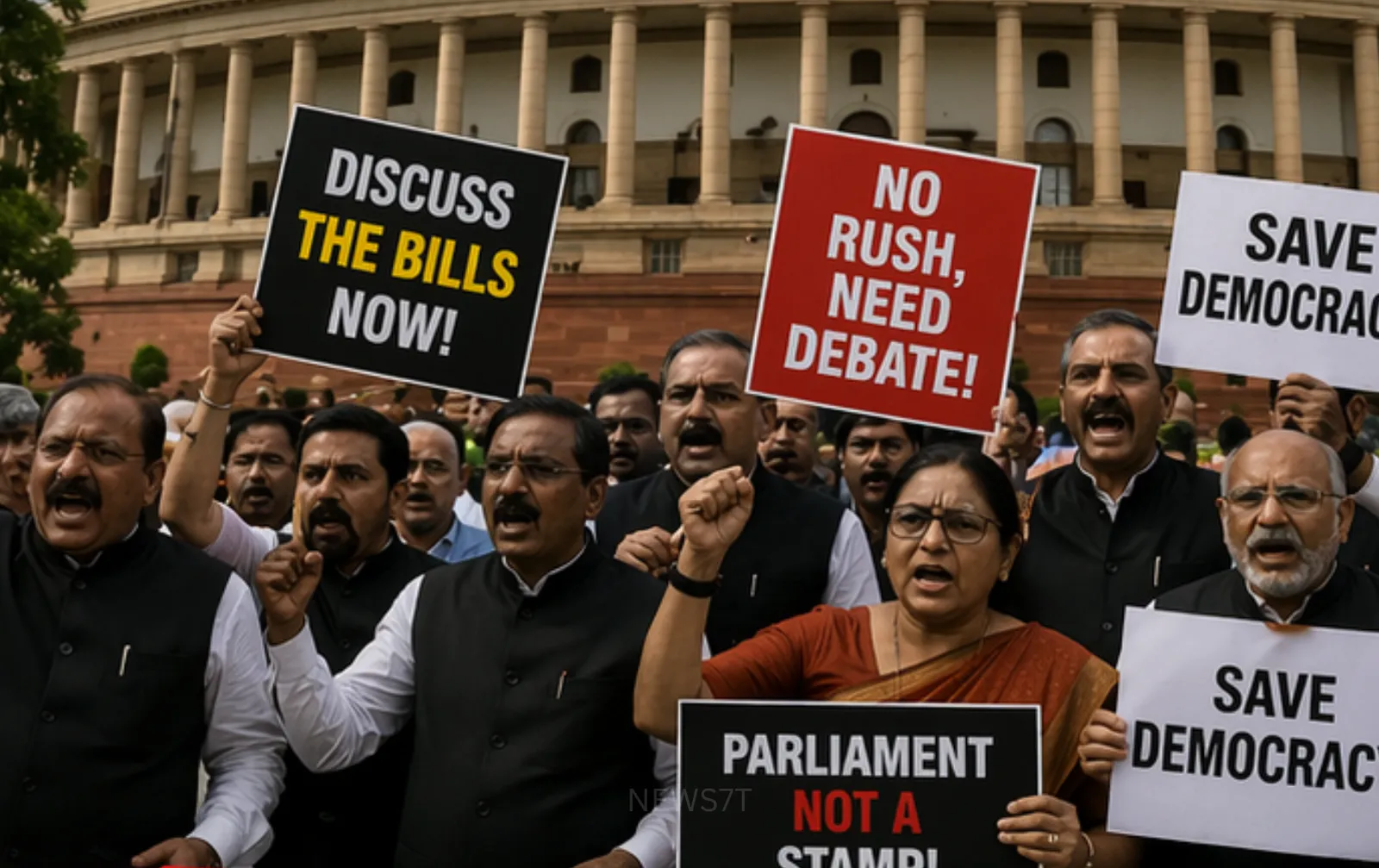
Opposition parties have been vocal in their criticism of the proposed bills, particularly the delimitation measure. They argue that the government is moving too quickly without adequate consultation and that the changes could have unintended consequences. As a result, opposition members have staged protests, raised slogans, and even walked out of parliamentary sessions. These actions have disrupted proceedings and delayed discussions, reflecting the depth of their concerns. The opposition is demanding more time for debate and greater clarity on how these proposals will be implemented, but so far, a consensus has remained elusive.
Digital Personal Data Protection Bill Update
The second major issue contributing to the parliamentary clash is the discussion around digital personal data protection. In an era where digital platforms play a central role in everyday life, the protection of personal data has become a critical concern. This bill aims to establish clear guidelines on how companies and organizations can collect, store, and use user data. While the objective is to enhance privacy and security, the proposed regulations have raised questions about their scope and potential impact on businesses and individual freedoms. The debate over this bill highlights the challenges of balancing technological advancement with the protection of fundamental rights.
Importance of Data Privacy in Modern India
Data privacy has become increasingly important in India due to the rapid growth of internet usage and digital services. From online banking to social media, individuals share vast amounts of personal information every day. Protecting this data is essential to prevent misuse, identity theft, and other forms of cybercrime. The proposed legislation is seen as a step toward strengthening India’s data protection framework and aligning it with global standards. However, its success will depend on how effectively it is implemented and whether it can address the concerns raised by various stakeholders.
Concerns Over Data Surveillance
One of the key concerns surrounding the data protection bill is the possibility of increased surveillance. Critics argue that certain provisions could give authorities excessive access to personal data, raising fears about privacy violations. There are calls for stronger safeguards, including independent oversight and clear limitations on data usage. These concerns have become a major point of contention in Parliament, with opposition leaders demanding greater transparency and accountability in the proposed framework.
Electricity Amendment Bill Explained
The Electricity Amendment Bill aims to introduce significant changes in the power sector, with a focus on improving efficiency and encouraging competition. The government believes that allowing greater participation from private players will lead to better services and more reliable electricity supply. The bill also seeks to address issues such as financial losses in distribution companies and outdated infrastructure. While these objectives are widely acknowledged as important, the proposed approach has sparked debate and resistance from various quarters.
Why the Power Sector Reform Is Controversial
The controversy surrounding the electricity reform bill stems from concerns about privatization and its potential impact on consumers and workers. Critics argue that increased private sector involvement could lead to higher tariffs and reduced accountability. There are also fears about job security for employees in the public sector, as well as the possibility of uneven service quality across regions. These concerns have led to protests and strong opposition, both inside and outside Parliament.
Economic Impact of the Bills
The combined impact of these three bills on the economy is a major point of discussion among policymakers and experts. Supporters argue that the reforms will boost efficiency, attract investment, and promote long-term growth. However, opponents warn that the changes could create short-term disruptions and exacerbate existing inequalities. The economic implications of these bills are complex and far-reaching, making it essential to carefully evaluate their potential outcomes before implementation.
Federal Structure and State Concerns
India’s federal system requires a delicate balance between central authority and state autonomy. Many state governments have expressed concerns that the proposed bills could undermine their powers and influence. This is particularly relevant in the case of delimitation and electricity reforms, which directly affect state interests. The tension between the center and the states has added another dimension to the parliamentary clash, making it even more challenging to reach a consensus.
Role of Media in Highlighting the Clash
The media has played a significant role in bringing the parliamentary clash to the forefront of public attention. News channels, online platforms, and social media have provided continuous coverage of the developments, shaping public opinion and influencing the narrative. While this has increased awareness, it has also contributed to polarization, as different outlets present varying perspectives on the issue. The role of media in such situations is both powerful and complex.
Public Reaction Across the Country
Public reaction to the ongoing parliamentary clash has been mixed, reflecting the diversity of opinions in the country. Some citizens support the government’s push for reforms, viewing them as necessary for progress and modernization. Others share the opposition’s concerns and fear that the changes could have negative consequences. Social media has become a key platform for expressing these views, with discussions, debates, and sometimes misinformation shaping the overall perception.
Possible Outcomes of the Parliament Debate
The outcome of the current debate in Parliament remains uncertain, as both sides continue to hold firm positions. Possible scenarios include the passage of the bills with amendments, a delay for further discussion, or continued deadlock leading to prolonged disruptions. Each of these outcomes carries different implications for governance and policy implementation. The ability of political leaders to find common ground will play a crucial role in determining the final result.
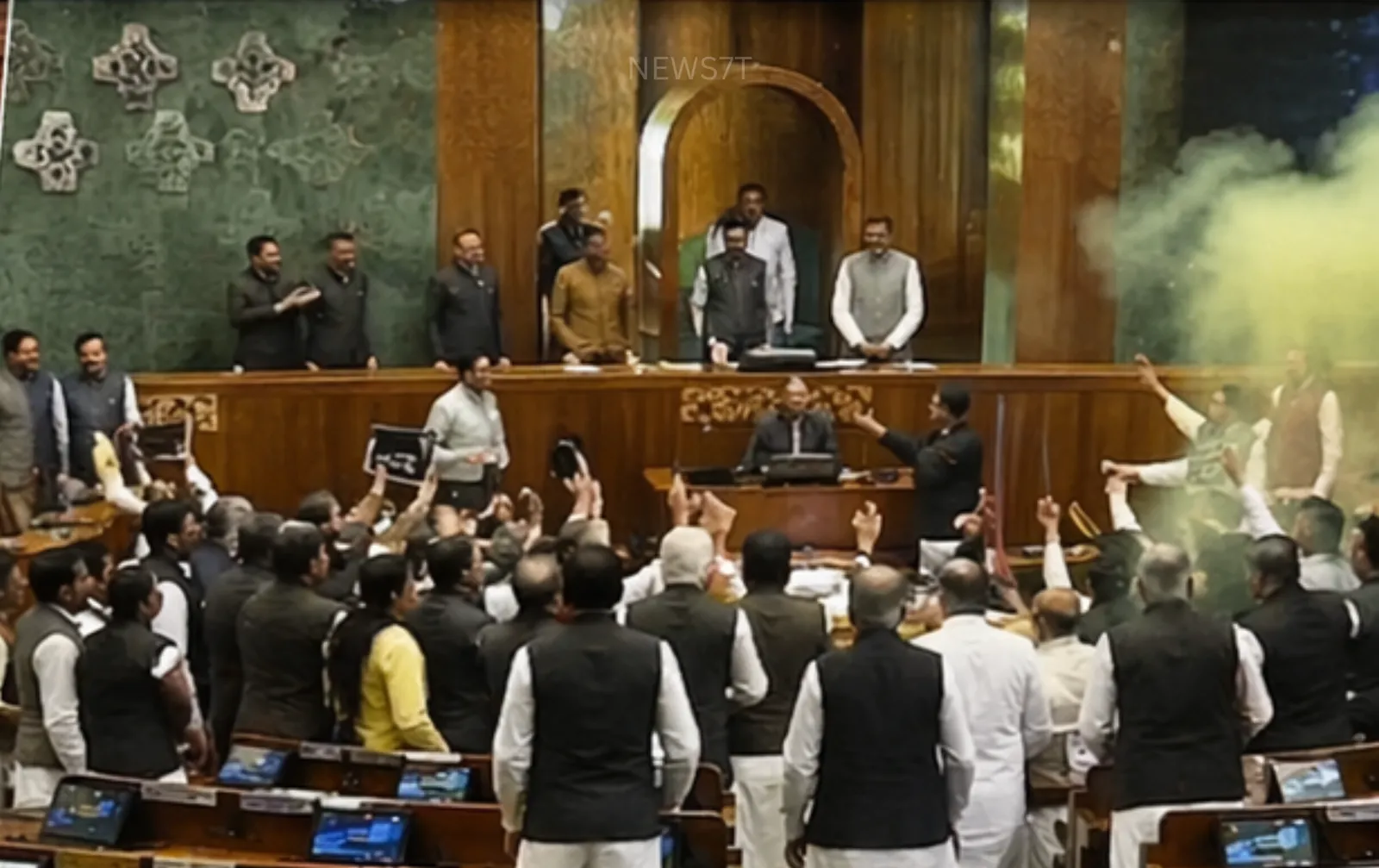
The ongoing clash in Parliament highlights the challenges of governing a diverse and dynamic country like India. While reforms are necessary for progress, they must be balanced with inclusivity, transparency, and consensus. The current situation serves as a reminder of the importance of constructive dialogue and democratic processes in addressing complex issues. As the debate continues, the decisions made will have a lasting impact on the nation’s political and economic landscape, making this a critical moment in India’s parliamentary history.