Delhi Airport Wing Collision Raises Safety Concerns
Disha9 min read
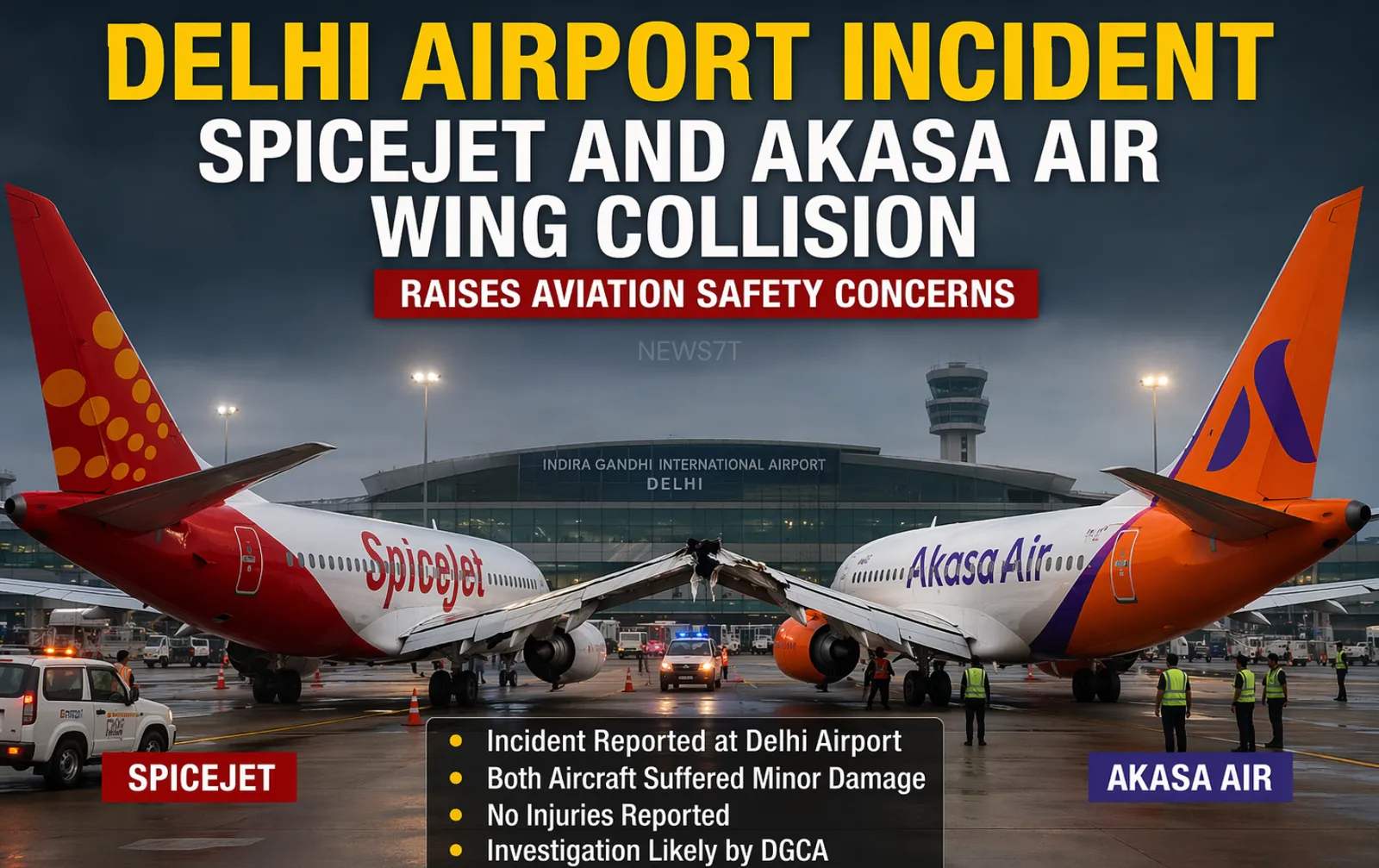
Delhi Airport reported incident involving SpiceJet and Akasa Air aircraft has captured widespread attention due to its implications for aviation safety and operational efficiency. According to initial information circulating in media and online platforms, the wings of two aircraft from these airlines allegedly came into contact while on the ground at Indira Gandhi International Airport. Although such incidents are not common, they are not entirely unprecedented either, especially in high-traffic airports where multiple aircraft are constantly moving in close proximity.
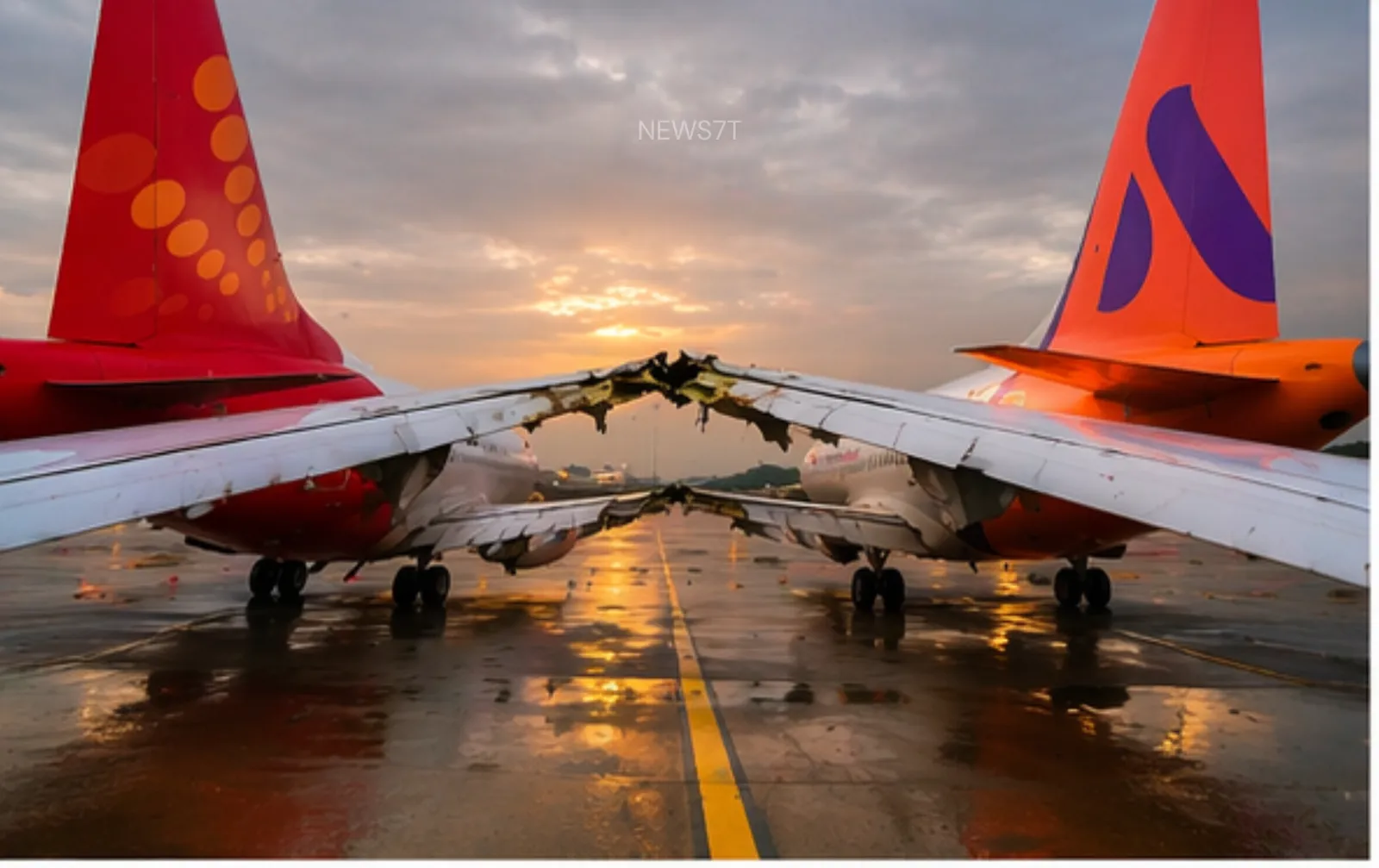
The situation has raised questions about coordination, communication, and safety protocols that govern aircraft movement on the ground. Even if the damage appears minor and no injuries have been reported, such events serve as critical reminders of the complexity and precision required in aviation operations. The aviation industry operates under strict safety regulations, and any deviation—no matter how small—can attract serious scrutiny from authorities and the public alike.
Table of Contents
Overview of Indira Gandhi International Airport Operations
Indira Gandhi International Airport in Delhi is one of the busiest and most advanced airports in India, handling an enormous volume of domestic and international traffic every day. With multiple terminals, runways, and taxiways, the airport functions as a central hub connecting India to the rest of the world. The complexity of operations at such a massive airport cannot be overstated, as it involves the seamless coordination of pilots, air traffic controllers, ground staff, and technical teams.
Aircraft are constantly landing, taking off, taxiing, and being parked, often within tight schedules and limited space. During peak hours, the airport becomes even more congested, increasing the risk of minor operational errors. This makes strict adherence to safety guidelines absolutely essential. The reported wing collision highlights how even a small lapse in coordination or spatial judgment in such a high-pressure environment can lead to unexpected incidents.
Profile of SpiceJet and Akasa Air
SpiceJet and Akasa Air are two significant players in India’s aviation sector, each catering to a growing number of passengers with competitive pricing and expanding networks. SpiceJet, being an established low-cost carrier, has been operating for years and has built a substantial presence across domestic and international routes. Akasa Air, on the other hand, is a relatively new entrant but has quickly gained attention for its modern fleet and customer-centric approach. Both airlines operate advanced aircraft, primarily Boeing models, designed with high safety standards and efficiency in mind.
Despite their technological advancements and adherence to strict aviation protocols, incidents like wing collisions can still occur due to factors beyond the aircraft’s design, such as human error or operational challenges on the ground. This incident has inevitably drawn attention to both airlines, although such occurrences are typically viewed as systemic issues rather than the fault of a single operator.
Circumstances Leading to the Wing Collision
The exact circumstances surrounding the reported wing collision are still subject to verification, but such incidents usually occur during taxiing or when aircraft are maneuvering within the airport premises. Taxiing requires precise control and constant communication between pilots and ground control, as aircraft move through designated paths known as taxiways. These paths can become crowded, especially during busy hours, increasing the likelihood of close encounters between aircraft. The wings of modern airplanes extend significantly outward, making spatial awareness a critical factor.
Even a slight miscalculation in distance or timing can result in contact between two aircraft. In this case, it is believed that one or both aircraft may have been moving in close proximity without adequate clearance, leading to the reported collision. While the speed during taxiing is generally low, minimizing the risk of severe damage, the incident still underscores the importance of precision in ground operations.
Immediate Actions Taken by Authorities
Following the incident, airport authorities and airline personnel would have acted swiftly to assess the situation and ensure the safety of all individuals involved. Standard operating procedures in aviation require immediate inspection of any aircraft involved in a collision, regardless of how minor it may appear. Ground staff would have secured the area, preventing further movement of the affected aircraft until a thorough evaluation was completed.
Safety checks typically include examining the wings, fuselage, and other critical components for structural damage. Additionally, airport operations in the vicinity may have been temporarily adjusted to avoid congestion and ensure smooth functioning elsewhere. Such prompt responses are essential in maintaining safety standards and preventing escalation. The efficiency of these measures often determines how quickly normal operations can resume.
Passenger Safety and Communication
Passenger safety is always the top priority in any aviation-related incident, and this situation is no exception. Even though the reported collision occurred on the ground and at low speed, airlines must ensure that passengers remain safe, informed, and calm. In such cases, crew members are trained to handle passenger concerns effectively, providing clear instructions and updates. If necessary, passengers may be deboarded or shifted to alternative aircraft to minimize inconvenience. Transparent communication is key to maintaining trust, as uncertainty can lead to anxiety among travelers. The absence of injuries in this incident suggests that safety protocols were effectively followed, but it also highlights the importance of preparedness in handling unexpected situations.
Role of Air Traffic Control in Ground Movements
Air Traffic Control plays a crucial role not only in managing aircraft in the air but also in coordinating their movement on the ground. ATC provides instructions regarding taxi routes, holding positions, and clearances, ensuring that aircraft maintain safe distances from one another. In busy airports like Delhi, this task becomes increasingly challenging due to the high volume of traffic. Controllers must rely on advanced radar systems, communication tools, and their own expertise to manage operations efficiently. Any miscommunication or misunderstanding between ATC and pilots can contribute to incidents like wing collisions. Therefore, investigations often focus on reviewing ATC instructions and pilot responses to identify potential gaps in communication.
Challenges in Ground Handling Operations
Ground handling is a complex process that involves multiple teams working together to manage aircraft movement, passenger services, and logistical support. From guiding aircraft during parking to coordinating refueling and baggage handling, ground staff play a vital role in ensuring smooth operations. However, in crowded airport environments, even experienced personnel can face challenges in maintaining precise coordination. Factors such as limited space, time pressure, and human fatigue can increase the likelihood of errors. The reported incident highlights the need for continuous training, effective communication, and adherence to safety protocols among ground handling teams to minimize risks.
Importance of Maintaining Wing Clearance
Wing clearance is a fundamental aspect of aviation safety, particularly during ground operations. Aircraft wings are designed to maximize lift during flight, but their wide span can pose challenges when navigating through confined spaces on the ground. Pilots must be constantly aware of their surroundings and ensure that sufficient distance is maintained from other aircraft, vehicles, and structures. Modern aircraft are equipped with advanced navigation systems, but these tools are meant to assist rather than replace human judgment. The reported collision serves as a reminder that even a small lapse in spatial awareness can lead to unintended contact, emphasizing the importance of vigilance at all times.
Investigation by DGCA and Other Authorities
In the aftermath of such incidents, regulatory bodies like the Directorate General of Civil Aviation (DGCA) typically initiate a detailed investigation to determine the root cause. This process involves analyzing flight data, reviewing communication records, and inspecting the aircraft involved. Investigators may also interview pilots, ground staff, and air traffic controllers to gather comprehensive information. The objective is not only to identify what went wrong but also to recommend measures that can prevent similar incidents in the future. Such investigations are crucial for maintaining accountability and improving overall safety standards in the aviation industry.
Operational Impact on Airlines
Even minor incidents can have significant operational consequences for airlines. Aircraft involved in collisions may need to be grounded for inspections and repairs, leading to flight delays or cancellations. This can disrupt schedules and affect passengers, especially during peak travel periods. Airlines must also manage logistical challenges, such as arranging alternative flights and compensating affected passengers. For SpiceJet and Akasa Air, maintaining operational efficiency is essential, and incidents like these can pose temporary setbacks. However, how effectively they handle the situation can influence public perception and customer trust.
Media Coverage and Information Accuracy
The role of media in reporting aviation incidents is both important and sensitive. While it helps inform the public, inaccurate or exaggerated reporting can create unnecessary panic. In the age of social media, information spreads rapidly, often without proper verification. The reported wing collision at Delhi Airport has generated significant attention, but it is essential to rely on credible sources for accurate information. Responsible reporting ensures that the public remains informed without being misled, while also maintaining trust in the aviation industry.
Comparison with Similar Global Incidents
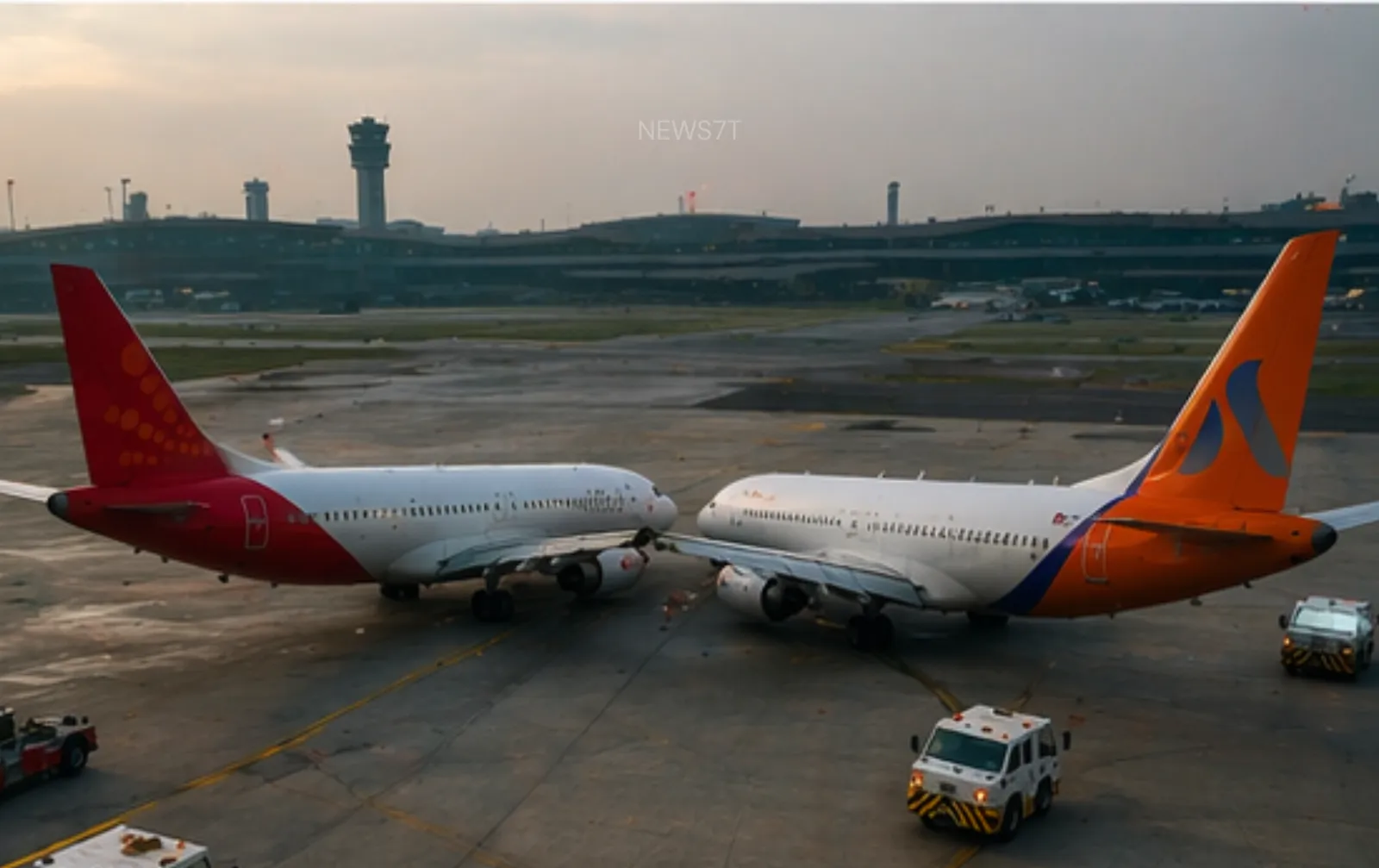
Wing collisions on the ground have been reported at airports around the world, often under similar circumstances involving congestion or human error. These incidents, while usually minor, highlight common challenges faced by the aviation industry globally. By analyzing such cases, authorities can identify patterns and implement better safety measures. Learning from past incidents is a key aspect of improving aviation safety, as it allows stakeholders to address vulnerabilities and enhance operational efficiency.
Importance of Continuous Training
Training is a cornerstone of aviation safety, ensuring that all personnel are equipped to handle complex and dynamic environments. Pilots, air traffic controllers, and ground staff undergo rigorous training programs that include simulations of various scenarios. These simulations help them develop the skills needed to respond effectively to unexpected situations. Continuous training and periodic assessments ensure that safety standards are maintained at all times. The reported incident underscores the importance of ongoing education and skill development in preventing operational errors.
Role of Technology in Preventing Collisions
Advancements in technology have significantly improved aviation safety over the years. Systems such as ground movement radar, collision avoidance alerts, and automated guidance tools help reduce the risk of incidents during aircraft movement. Airports are increasingly adopting these technologies to enhance operational efficiency and safety. However, technology must be complemented by human expertise and vigilance. The integration of advanced systems with skilled personnel is essential for minimizing risks and ensuring smooth operations.
Economic Implications of the Incident
Incidents like wing collisions can have financial implications for airlines and airport authorities. Repairing damaged aircraft, managing delays, and compensating passengers can lead to increased costs. Additionally, such events may impact the reputation of the airlines involved, potentially affecting customer confidence. Maintaining a strong safety record is crucial for long-term success in the aviation industry, making it essential to address and learn from such incidents promptly.
Key Lessons from the Incident
Every aviation incident provides valuable lessons that contribute to improving safety standards. The reported collision between SpiceJet and Akasa Air aircraft highlights the importance of communication, coordination, and attention to detail. By analyzing the factors that led to the incident, authorities can implement corrective measures and strengthen existing protocols. Continuous improvement is a defining characteristic of the aviation industry, ensuring that safety remains a top priority.
Ensuring Safer Skies Ahead
The Delhi Airport incident involving SpiceJet and Akasa Air serves as a reminder of the complexities involved in managing modern aviation operations. While the situation appears to have been handled without major consequences, it underscores the need for constant vigilance and adherence to safety protocols.
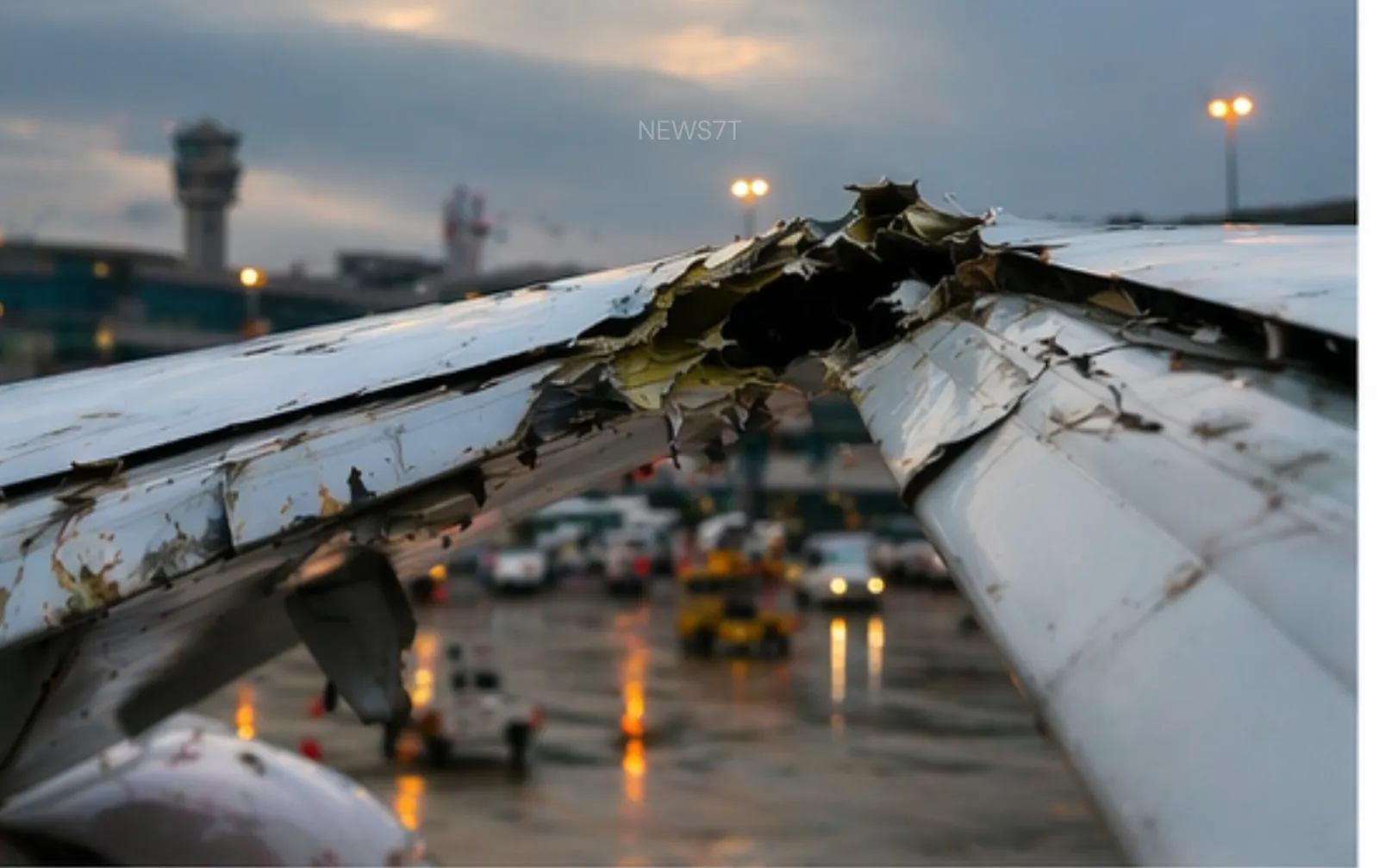
As India’s aviation sector continues to grow, investing in training, technology, and infrastructure will be essential for maintaining high safety standards. By learning from such incidents and implementing necessary improvements, the industry can continue to provide safe and reliable travel experiences for passengers across the country and beyond.