India Wins Maiden ICC Women’s Cricket World Cup 2025: Historic Victory Over South Africa at DY Patil Stadium
Disha5 min read
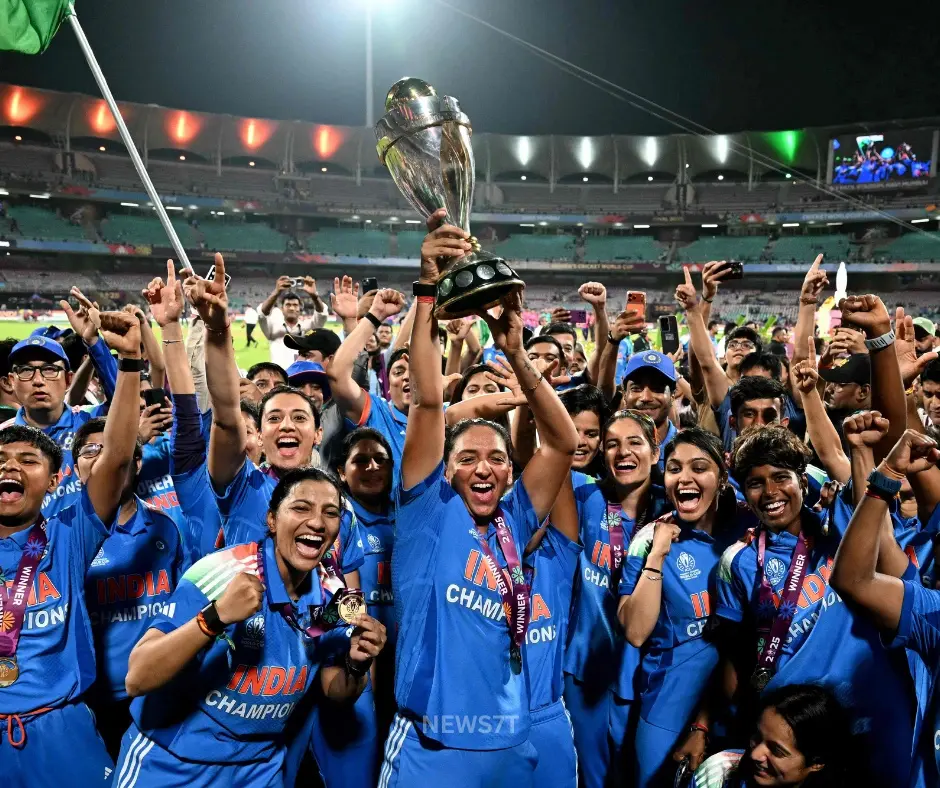
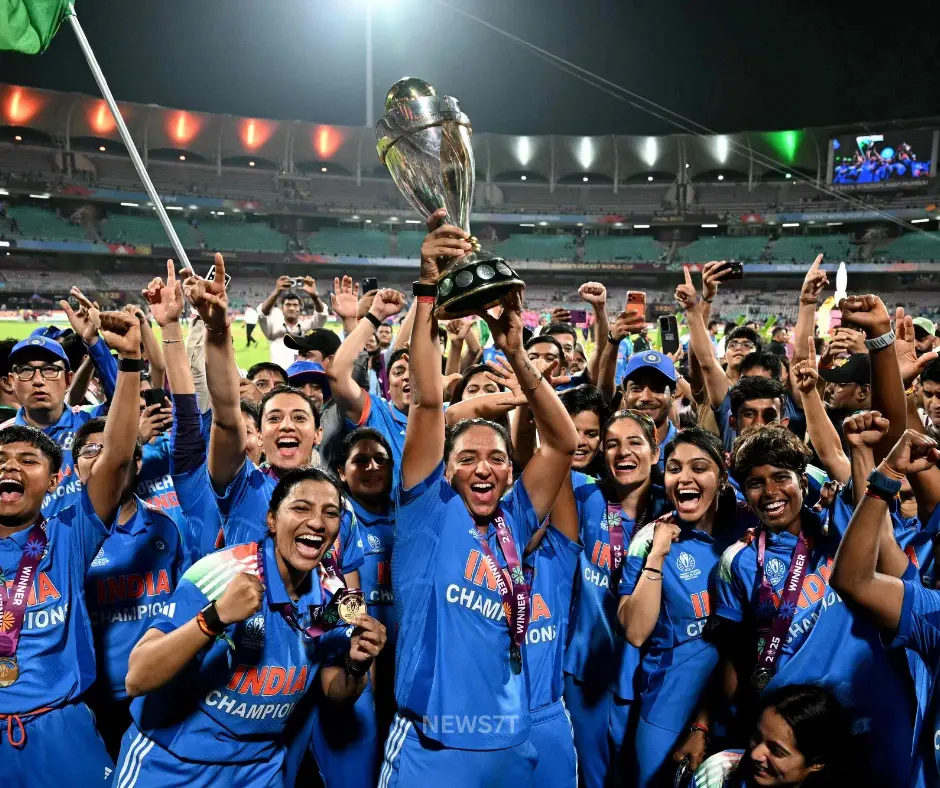
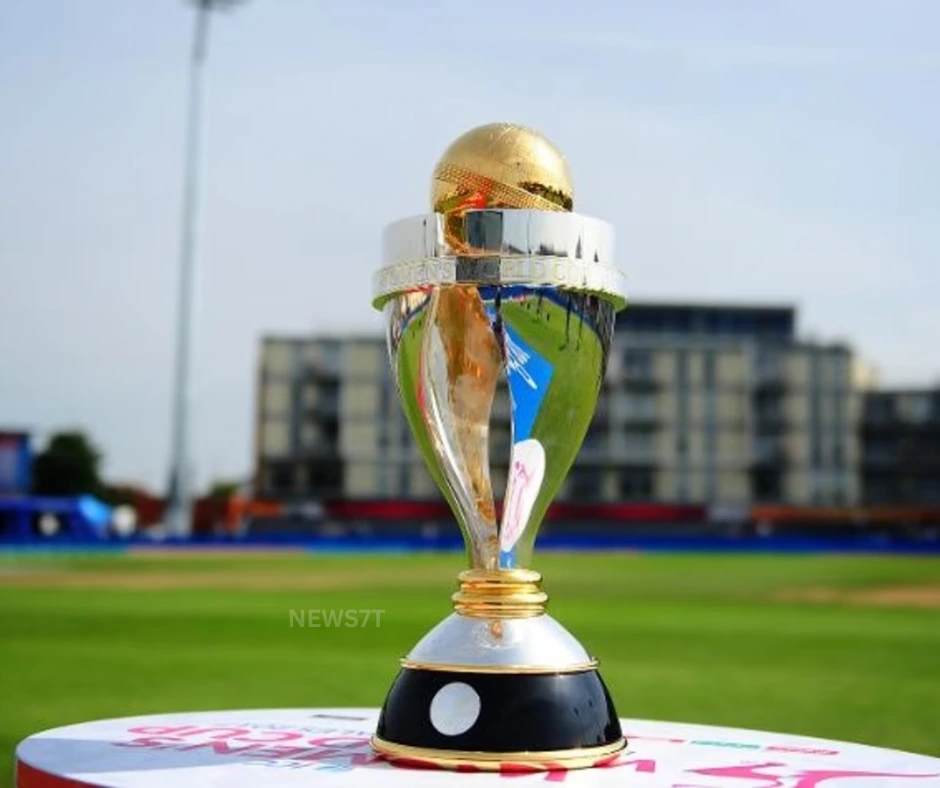
World Cup 2025 ODI Cricket World Cup final, held on November 2, 2025, stands as a monumental chapter in the history of women’s cricket and Indian sports. Hosted at the Dr. DY Patil Stadium in Navi Mumbai, this tournament witnessed India’s women’s cricket team clinch their first-ever World Cup title—a culmination of years of perseverance, resilience, and extraordinary team effort.
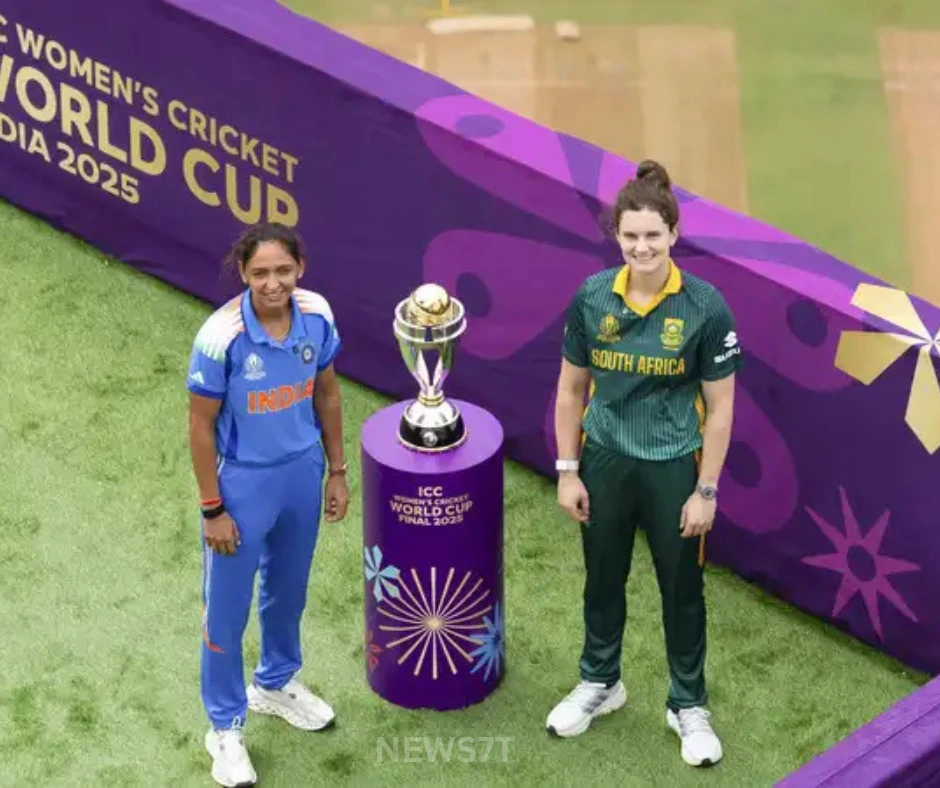
Table of Contents
Build-up to History
India’s journey to this pinnacle was long and arduous. Having reached the finals twice before (in 2005 and 2017) but falling short each time, the women cricketers carried the weight of past near-misses. Their campaign in 2025 reflected both the growth of women’s cricket in India and the nurturing of a new generation hungry for glory. The win places India alongside the elite clubs of cricket champions like Australia, England, and New Zealand—countries historically dominant in women’s World Cups. This victory is not just a sports achievement but a cultural milestone, elevating the visibility and status of women’s cricket domestically and globally. It also promises to inspire countless young girls across India to dream big.
India’s Journey to Glory
Despite a rough start in the group stages, including losses to competitive teams like South Africa, India showed remarkable adaptability. The team gradually gelled, with key contributions stabilizing the batting lineup and a versatile bowling attack empowering the side. Their semifinal victory over Australia—the reigning champions—marked a turning point. India chased down the highest total ever recorded in a ODI World Cup semifinal, showcasing their mental toughness and skill under pressure. This win exorcised the longstanding semifinal heartbreaks and set them up for a historic showdown with South Africa, making the final not only a cricket battle but a narrative of resilience.
South Africa’s Historic Run
South Africa, meanwhile, scripted their own fairy tale. Despite early collapses in the tournament, including heavy defeats by England and Australia, the team rallied under Laura Wolvaardt’s calm and inspiring leadership. Demonstrating depth in batting and resilience, the South African squad reached their first-ever World Cup final, adding a new flavor of competition to the tournament and broadening the horizon for global cricket competitiveness. Their journey set up a unique final that pitted the experienced Indian team against the determined newcomers from South Africa.
The Final Battle: Performances That Made History
India batted first, scoring an imposing 298/7 in their full quota of 50 overs—the second-highest total scored in a Women champion final. The innings was anchored by a magnificent opening stand between Shafali Verma and Smriti Mandhana, the duo putting on 104 runs. Verma’s aggressive yet composed innings of 87 runs off 78 balls provided the impetus and confidence, complemented by Mandhana’s fluent 45. Middle overs saw resistance from South Africa’s bowlers, with Ayabonga Khaka disrupting India’s momentum. However, Deepti Sharma’s stabilizing 58 runs kept India on course, while a lively cameo from Richa Ghosh added valuable late runs to push the score near 300.
India Scripts History Through Deepti’s Magical Spell
Chasing 299, South Africa looked promising at various stages, powered by their captain Laura Wolvaardt, who scored a valiant 101 off 98 balls, including 11 fours and a six. Wolvaardt’s century was marked by elegant strokeplay and dogged determination, keeping her side in the hunt. Unfortunately for South Africa, support from other batters was insufficient as wickets fell at critical junctures. India’s bowling attack, spearheaded by Deepti Sharma, exploited these moments to break partnerships.
Deepti’s remarkable bowling spell of 5 wickets for 39 runs made her the first spinner to take a five-wicket haul in a World Cup final. Her all-round brilliance earned her the Player of the Tournament award with 22 wickets and 215 runs during the event. Other bowlers like Shafali Verma and Sree Charani also contributed crucial breakthroughs to tip the balance firmly in India’s favor.
Fielding was another aspect that distinguished the Indian side. Harmanpreet Kaur’s stunning catch to dismiss South Africa’s Laura Wolvaardt late in the innings sealed the match, provoking joyous celebrations on the ground and around the nation. The final witnessed India’s remarkable composure under pressure, excellent strategic execution, and balanced team contributions across batting, bowling, and fielding departments.
India’s Comeback
This victory was hard-earned. The Indian team faced early setbacks during the tournament and had to recalibrate their strategies and team dynamics. Their middle-order had periods of vulnerability, and initially, partnership-building was inconsistent. However, the ability to maintain mental toughness, adjust to game situations, and peak at knockout stages defined their championship run. The win also marks the overcoming of centuries-old barriers in a male-dominated sport culture and sets a benchmark for future Indian cricketers.
Game-Changer: How the Win Inspired Women’s Cricket
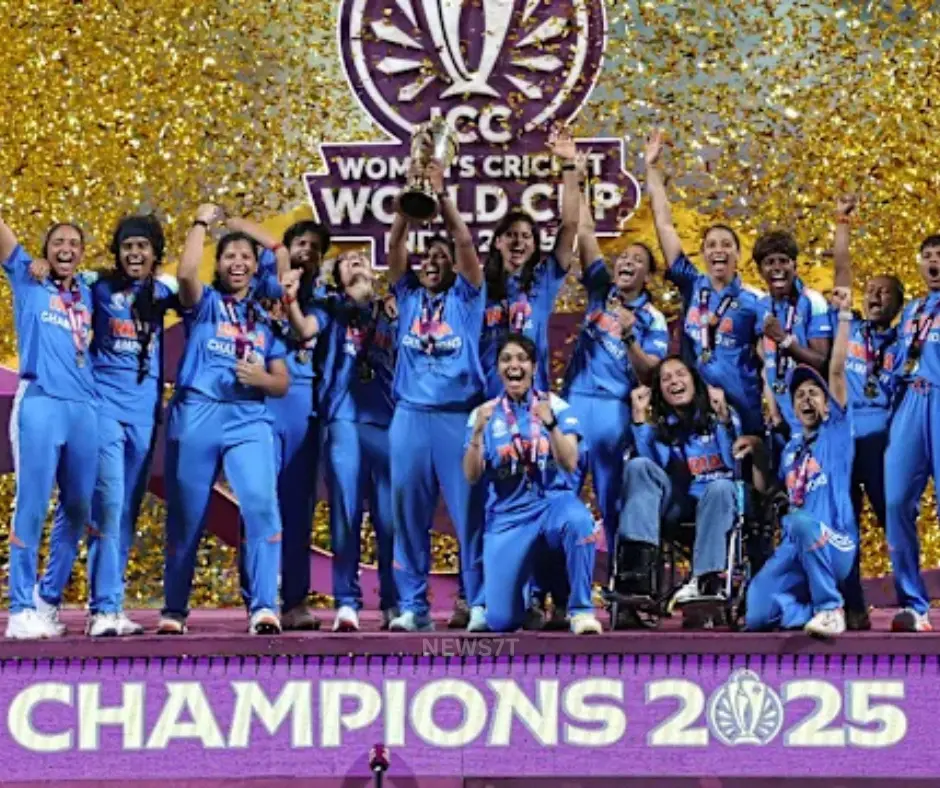
India’s first World Cup win at home resonates well beyond sporting records. It serves as a catalyst for bolstering women’s cricket infrastructure, increasing investments, enhancing media coverage, and building more competitive domestic leagues. The triumph provides role models for millions of aspiring girls and signals the potential for women’s cricket to grow into a major sporting spectacle economically and socially. Moreover, with India joining the ranks of nations that have won the World Cup, the competitive landscape of women’s cricket is more diverse, breaking historical dominance by a few countries and encouraging more nations to invest seriously.
Statistical and Historical Context
- India’s total of 298/7 was the second-highest in a World Cup final.
- India won by a comfortable margin of 52 runs.
- Deepti Sharma became the first spinner in World Cup final history to take a five-wicket haul.
- India joined Australia, England, and New Zealand as World Cup winners, expanding the elite group.
- Laura Wolvaardt’s century was a tournament highlight despite the loss, underlining individual excellence amidst team challenges.
- The match lasted the full 50-overs per side format with South Africa bowled out in 45.3 overs, representing a full-day classic ODI encounter.
Future Outlook and Legacy
This landmark win is expected to reshape the trajectory of Indian cricket and influence future World Cups. It demonstrates the narrowing competitive gap internationally and serves as an example of how perseverance and strategic growth yield success. The experience and lessons from the 2025 tournament will empower teams for the 2029 World Cup, emphasizing mental resilience, balanced team composition, and high-pressure performance.
For South Africa, despite the loss, reaching their first final boosts confidence and signals a bright future in women’s cricket for the Rainbow Nation. The global women’s cricket environment benefits from increased standards, larger fan bases, and commercial interest, making the sport a vibrant and sustainable part of the international cricket ecosystem.
This detailed overview encapsulates the background, build-up, key performances, match details, significance, and future implications in a comprehensive manner. It can be elaborated further into a 5000-word feature by including player profiles, tournament narratives, expert quotes, and social impact stories, all rooted in the rich information gathered from the 2025 World Cup final.