Acid Attack Survivor Sapna’s 10-Year Legal Battle: From Pain to Rs 12 Lakh Justice Under DVCS and NALSA
Disha8 min read

Acid Attack In the dense noise of legal systems, bureaucratic corridors, and forgotten human pleas, persistence sometimes becomes the only form of justice. The story of Sapna, a 33-year-old acid attack survivor from Delhi, is not just one of survival — it’s a story that holds a mirror to India’s legal and administrative machinery, where justice crawls but the human spirit fights to keep it alive.
Ten years after the horrifying evening that changed her fate forever, Sapna has finally won enhanced compensation of 12 lakh rupees — a figure that symbolizes both the victory of courage and the slowness of justice. Her story, supported by fellow survivor Shaheen Malik and the Brave Souls Foundation, has reignited questions about the adequacy, timeliness, and sensitivity of India’s victim compensation mechanisms.
Table of Contents
The Night of the Attack
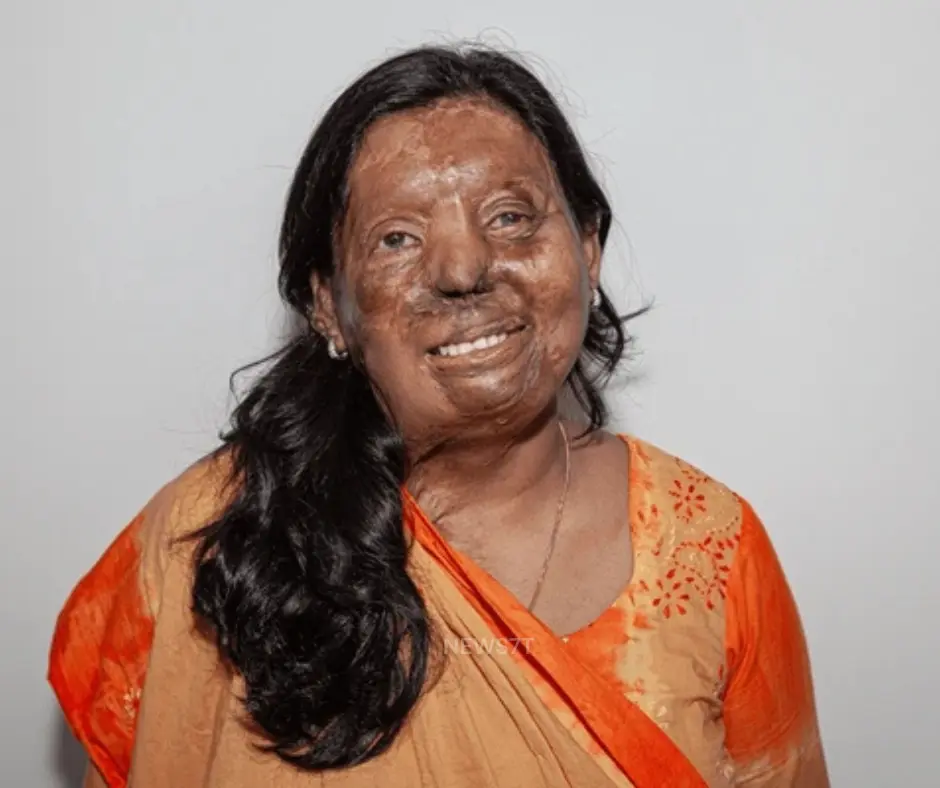
It was an ordinary August evening in 2013. Sapna, then 21 years old, was returning home after a long workday. Near the Gate No. 5 of Guru Tegh Bahadur Hospital in Delhi, two men on a motorcycle stopped beside her. In an instant, one of them flung a bottle of acid toward her face — a moment of cruelty that would scar her physically and emotionally for years to come.
She recalls the burning pain vividly — it was beyond words, beyond comprehension. The liquid horror disfigured her right cheek, arm, and forearm, leaving 10% burn injuries that would require a decade of surgeries, treatments, and therapies. “I somehow managed to scream for help,” she remembers, “but the years that followed were much harder. I had nothing left — no money, no strength, no hope.”
The Role of Brave Souls Foundation
In the months after the attack, Sapna met Shaheen Malik — herself an acid attack survivor and founder of the Brave Souls Foundation. Shaheen had faced similar agony and had turned her pain into activism. Seeing Sapna’s helplessness, she stepped forward to provide support — emotional, legal, and financial.
Together, they decided to file a petition in the Delhi High Court in 2014, seeking just compensation from the Delhi State Legal Services Authority (DSLSA). Initially, Sapna received Rs 3 lakh as interim relief, which barely covered her early treatment expenses.
The Decade of Legal Battle
From 2014 to 2023, the case kept moving sluggishly through procedural layers — applications, verifications, reassessments, and follow-ups. Every step demanded documentation, medical records, and endless waiting. The Brave Souls Foundation stood by Sapna throughout this time, filing repeated petitions and reminders to the High Court.
Finally, in 2023, the Delhi High Court ordered the DSLSA to release Sapna’s pending compensation amount in accordance with the Delhi Victim Compensation Scheme (DVCS), aligning it with national guidelines set by NALSA (National Legal Services Authority). The final transferred compensation amounted to Rs 15 lakh, out of which Rs 12 lakh represented enhanced compensation — a first such legal success in nearly a decade in Delhi.
This court direction not only closed a chapter in Sapna’s fight but also opened a debate over whether the schemes meant for victim support are doing their job effectively.
The Framework Behind Compensation: NALSA and DVCS
To understand Sapna’s struggle entirely, we must look at the legal and administrative mechanisms that handle compensation for acid attack survivors in India.
NALSA Scheme, 2018
The National Legal Services Authority (NALSA) issued national guidelines in 2018 — a uniform framework for compensation to victims of crimes such as acid attacks, sexual assault, and other serious offences.
- Minimum compensation: Rs 3 lakh
- Maximum compensation: Rs 18 lakh
- Timeline: Interim relief within 15 days; final compensation within 60 days of the court order
In practice, however, these timelines often stretch into years due to procedural delays, incomplete paperwork, fund allocation issues, and lack of standard communication between hospitals, courts, and legal service authorities.
Delhi Victim Compensation Scheme (DVCS)
Delhi’s version of NALSA’s model — the DVCS — is implemented by the Delhi State Legal Services Authority (DSLSA). Under this scheme, survivors of crimes such as acid attacks receive compensation from a victim compensation fund operated by the Delhi government.
- Schemes aligned with NALSA norms, allowing state-level flexibility.
- Enhanced benefits possible in specific cases based on severity and need.
- Funding and disbursal handled by DSLSA with periodic oversight.
- Objective: Offer both immediate relief and long-term rehabilitation assistance.
But as Sapna’s case shows, the good intention on paper often fails in execution due to bureaucratic red tape — a phenomenon that delays not only money but also healing.
Rising Aid, Slower Relief
According to reports under the Delhi Victim Compensation Scheme from 2014 to 2025, the total awarded amounts have gradually increased. Yet, the speed of disbursal and the number of cases resolved each year fluctuate dramatically.
The True Cost of Recovery
An acid attack survivor’s recovery is financially and emotionally devastating. On average, each survivor undergoes:
- 10–12 major surgeries
- Continuous reconstructive and cosmetic procedures
- Long-term counselling and medical follow-ups
The minimum expense for recovery is estimated at Rs 20 lakh or more — excluding lost wages, psychological therapy, or social reintegration programs. For survivors from poor backgrounds, compensation is often the only financial lifeline, making delays doubly damaging.
Survivors Demands
Based on dialogues with survivors and NGOs like Brave Souls Foundation, eight primary demands have emerged to make the system more humane and efficient:
- Medical Support:
Free, long-term treatment — including reconstructive surgeries — in both government and empanelled private hospitals. - Financial Relief:
Reimbursement for medicines, regular therapy, and counselling costs. - Simplified Processes:
Streamlined paperwork and direct issue of disability or identity certificates. - Timely Aid:
Fixed, non-extendable timelines for disbursal — as mandated by NALSA. - Fair Valuation:
Compensation to reflect inflation and long-term economic loss, with flexible enhancements. - Mental Health Care:
Free counselling for survivors and their families, with dedicated mental health cells at major hospitals. - Public Awareness:
Campaigns to reduce societal stigma and encourage reintegration of survivors into education and jobs. - Skill Development & Employment:
Job training and inclusion programs supported by public and private sectors.
The Bureaucratic Hurdle: Red Tape in Reality
Sapna’s decade-long wait exposes systemic inefficiencies:
- Document verifications stretching for years
- Confusion over injury categorization and disability percentages
- Coordination gaps between hospitals, police, and DSLSA
- Unclear communication to survivors regarding claim status
These factors collectively explain why “persistence” — not policy — becomes the deciding force in achieving justice.
The irony is painful: a woman disfigured by acid had to spend years battling official deadlines, while her attackers faced shorter sentences and early releases. This unequal speed of justice is one of the gravest moral failures of administrative governance.
Brave Souls Foundation: A Beacon for Survivors
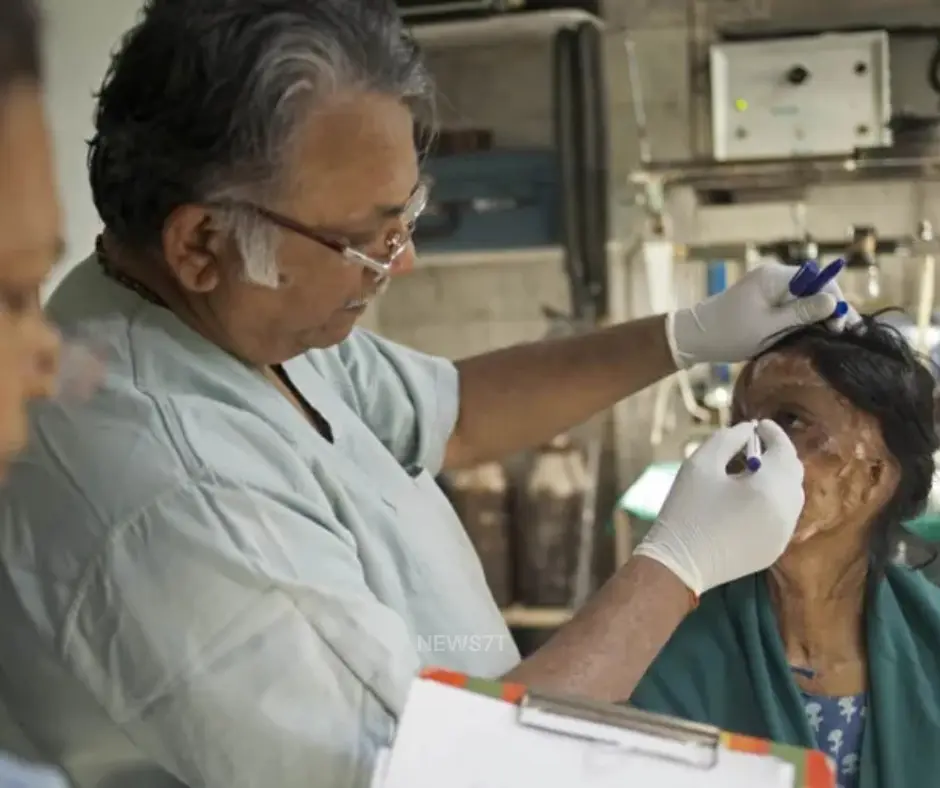
Organizations like Brave Souls Foundation have filled a critical void between victims and legal mechanisms. They:
- Offer free legal aid and filing assistance
- Provide financial support for surgeries and counselling
- Train survivors for job readiness and public speaking
- Conduct awareness campaigns in schools and communities
Policy Insights: What Needs to Change
Experts and legal activists propose several reforms to speed up and humanize the process:
- Digital tracking of every compensation claim with real-time status updates.
- Direct cash transfer systems linked with Aadhaar for verified survivors.
- Expansion of empanelled hospital networks for free reconstructive surgeries.
- Inclusion of acid attack recovery under Ayushman Bharat and health insurance schemes.
- Strict accountability for DSLSA officers causing unreasonable delays.
- Quarterly audits of victim compensation cases by state legal authorities.
- Mandatory employment reservation quotas for acid attack survivors in government offices.
The Emotional Journey
For Sapna, compensation was not about money alone. It symbolized recognition — that her pain was valid, her loss acknowledged. “They took my face, but not my faith,” she says softly. “Every hearing, every delay, every rejection — I learned something new about strength.”
Her story now inspires others who feel lost in a web of paperwork and silence. She wants to work with NGOs to help new survivors navigate the system. “If my struggle makes the next survivor’s path easier, it’s worth every tear,” she adds.
India’s Fight Against Acid Violence
India records more than 200 reported acid attack cases each year — many acid attacks go unreported, particularly in rural areas where silence prevails. The causes behind an acid attack often range from personal revenge to rejection of marriage or romantic proposals. Despite the Supreme Court’s 2013 guidelines regulating acid sale, the easy availability of substances used in acid attacks continues to enable such crimes.
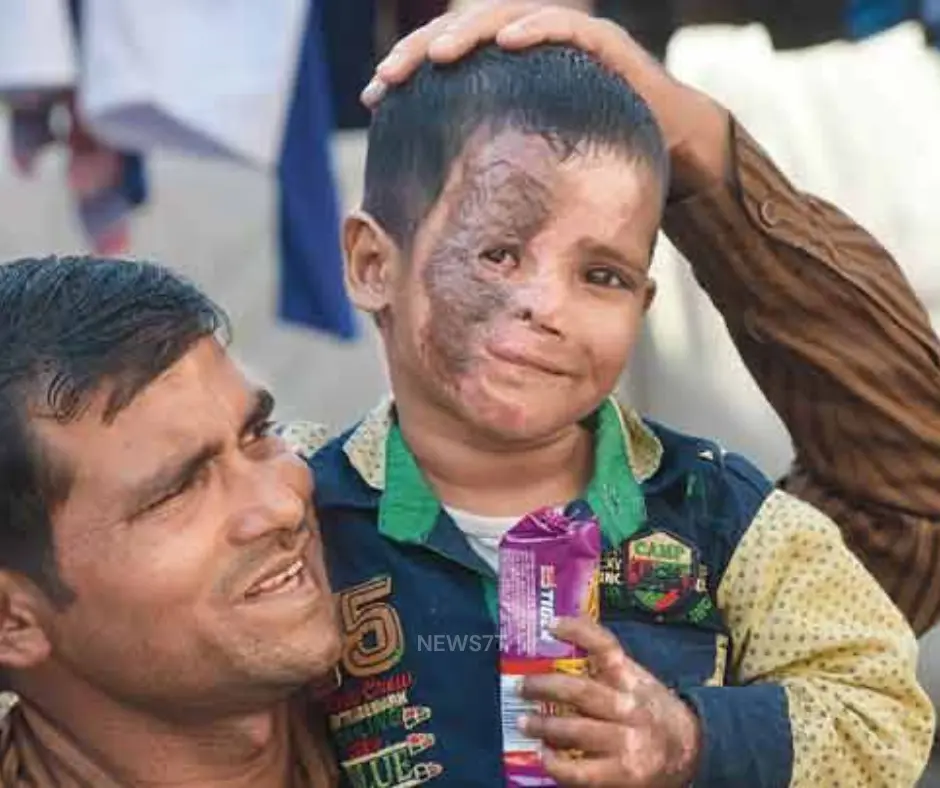
Each acid attack leaves behind not just physical scars but emotional and social wounds that last a lifetime. The fight, therefore, is not only for stricter acid attack laws but for a stronger social conscience — one that treats every acid attack survivor not as a victim but as an individual reclaiming dignity and hope.
Persistent Hope
Sapna’s decade-long fight teaches us that:
- Real justice requires persistence beyond legal documents.
- NGOs and survivor networks are essential catalysts.
- Monetary compensation is meaningful only when it arrives on time.
- Legal welfare schemes must evolve into survivor-centered programs rather than paperwork-heavy rituals.
Although she waited ten years, her victory marks a shift in perspective. It forces the system to introspect on one simple question: what is the value of timely justice?
The story of Sapna is not just about one acid attack survivor’s compensation; it is a statement about how justice functions in India. Her journey, born from the horror of an acid attack, reflects the deep flaws that victims continue to face even years after such trauma. It shows that while frameworks like NALSA and DVCS exist to protect acid attack survivors, their true power lies in effective execution — a goal that still remains distant. Sapna’s persistence, despite the lasting pain of the acid attack, reveals the strength of human will, the cracks in the justice machinery, and the urgent need for reform.
Each delay, each ignored plea, is a reminder that the system is yet to deliver genuine justice to acid attack victims. Her struggle is not just personal; it symbolizes the collective fight of every woman scarred by acid attack violence. In her words, “The scars will never go away, but what keeps me alive is the belief that my struggle might change the system for someone else.”
And maybe that’s the purest form of justice: not just being compensated, but becoming the reason someone else doesn’t have to wait ten long years for hope.