Kerala: A Powerful and Inspiring Time Bank Transforming Elder Care and Community Connections
Disha7 min read
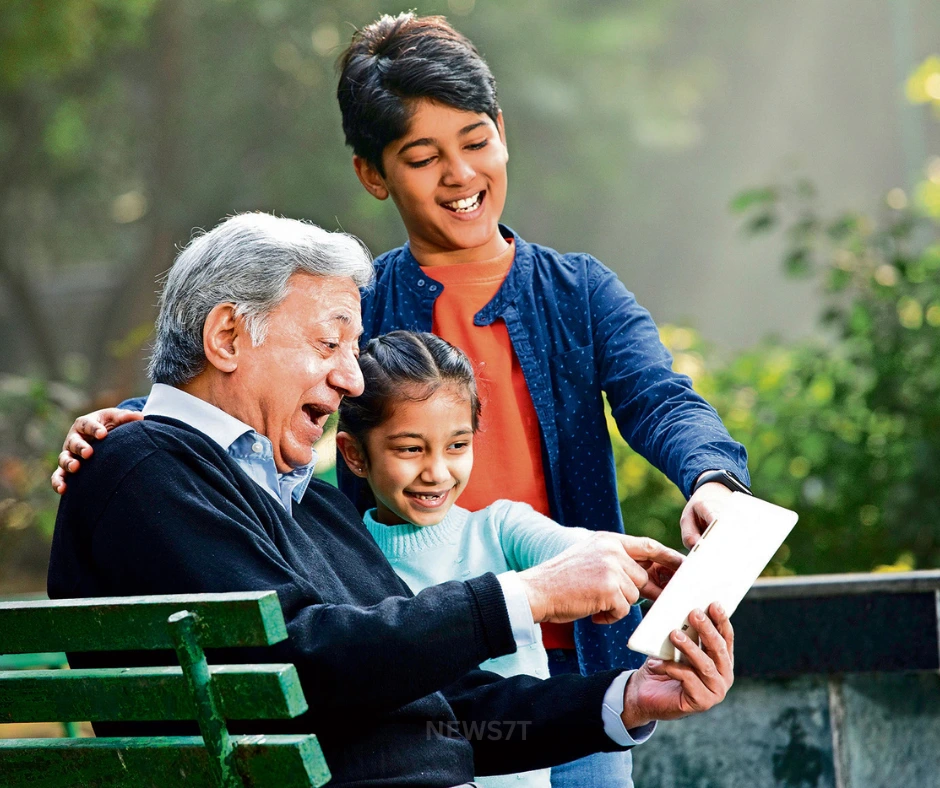
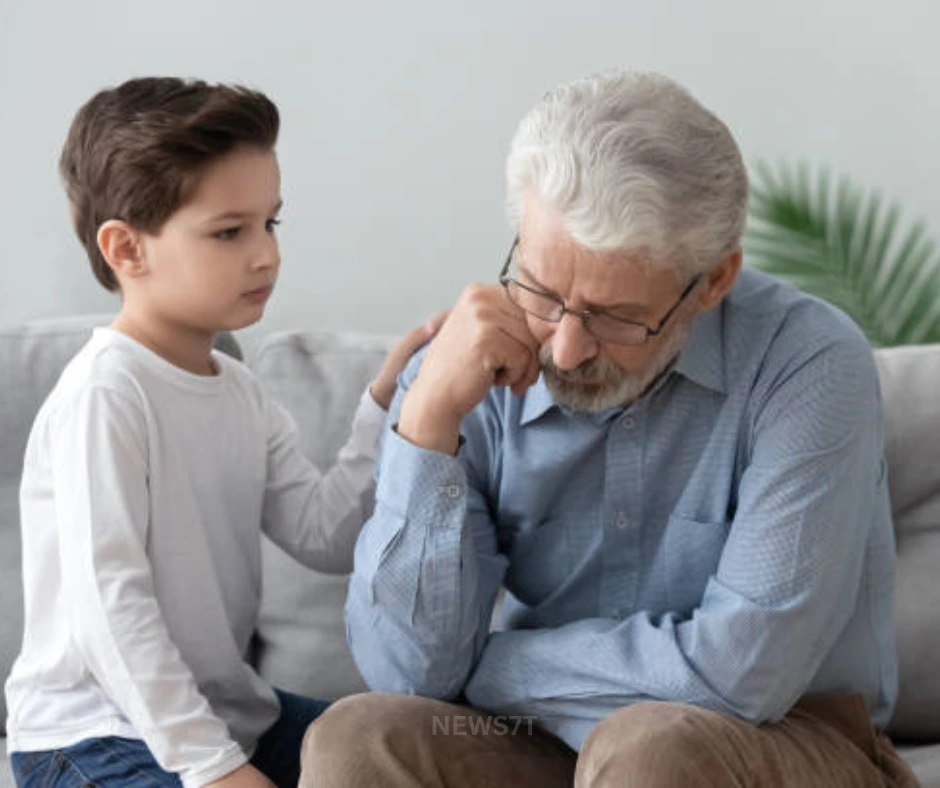
Kerala, known for its strong sense of community and progressive social initiatives, is now facing a challenge common to modern societies — the growing loneliness and isolation among the elderly. In today’s fast-paced world, the elderly are often left behind. Loneliness and a lack of support are common complaints among seniors, especially those who live alone. In many societies, particularly in urban areas, the traditional family structure is rapidly changing, leading to an increased number of elderly people who find themselves without adequate social interaction or assistance. The situation is no different in India, where the elderly population is on the rise, and a growing number of them are facing isolation.
Table of Contents
What is the Time Bank?
The concept of the Time Bank is simple yet powerful: individuals exchange hours of their time to help others, particularly the elderly, in return for credits that they can use when they need assistance in the future. This model emphasizes reciprocal care—where the focus is not on monetary exchange, but on a system of time and services.
The Japanese ‘Fureai Kippu’ program, which directly inspired Kerala’s initiative, allows individuals to earn credits by offering their time and services to the elderly. This could involve helping an elderly person with tasks such as grocery shopping, taking them to the hospital, or simply spending time with them. The credits earned through these acts of kindness can then be used by the individual in the future, should they need similar help or support.
In Kerala, the ‘Time Bank’ initiative has taken a similar approach, but with a few localized twists. The initiative provides not only a way to alleviate loneliness among the elderly but also encourages youth participation and volunteerism. Through this, the community is building stronger bonds across generations.
Fureai Kippu from Japan
The idea of the Time Bank traces its roots to Japan’s ‘Fureai Kippu’ system, which was introduced in the 1990s to address the challenges posed by an aging population. Japan, like many developed countries, has a rapidly growing elderly population. A significant portion of this population lives alone, and as a result, isolation and lack of support are becoming serious concerns.
The ‘Fureai Kippu’ program was designed to mitigate these issues by creating a system where individuals (usually younger people) can volunteer their time to assist the elderly, such as helping them with household chores, providing transportation, or offering companionship. In return, volunteers receive credits that they can use for future services. Over time, this has helped create a more interconnected society, where different generations come together to care for one another. The program is a form of mutual aid that strengthens the social fabric and ensures that the elderly receive the care and attention they need.
The Time Bank Initiative
Inspired by Japan’s success, Kerala’s Elikkulam Panchayat decided to replicate the model in India. The initiative was launched with the aim of providing elderly citizens, especially those living alone, with much-needed support, while simultaneously fostering a sense of community and intergenerational cooperation. The project was launched under the guidance of the Kerala Development and Innovation Strategic Council (K-DISC) and is currently being implemented as a pilot project in the Elikkulam Panchayat, located in the Kottayam district.
The project targets the region’s aging population—around 7,652 elderly individuals, many of whom live alone or require assistance with daily tasks. These seniors often struggle to access basic services such as banking, medical appointments, and grocery shopping. The Time Bank project aims to bridge this gap by offering a platform where volunteers can step in to offer assistance.
How the Time Bank Works
At its core, the Time Bank system operates on a system of time credits. Here’s how it works:
- Registration:
Both volunteers and elderly individuals must register on a dedicated website created by students of the Government Engineering College in Wayanad. The website serves as a portal where elderly citizens can request services, and volunteers can sign up to offer their help. - Volunteering:
Volunteers sign up and indicate which services they are able to provide—whether it’s helping the elderly with grocery shopping, taking them to the hospital, or assisting with daily chores. Once a volunteer offers their services, they are credited with time—usually one hour per task completed. - Accruing Time Credits:
For every hour a volunteer spends helping an elderly person, they accumulate time credits. These credits can be used later when the volunteer needs help, or they can be transferred to others who might need assistance. This creates a cycle of reciprocity and mutual care. - Verification and Safety:
Volunteers undergo a police verification process to ensure safety and trustworthiness. The platform also sends notifications to alert volunteers about nearby requests for help from the elderly. - Community Participation:
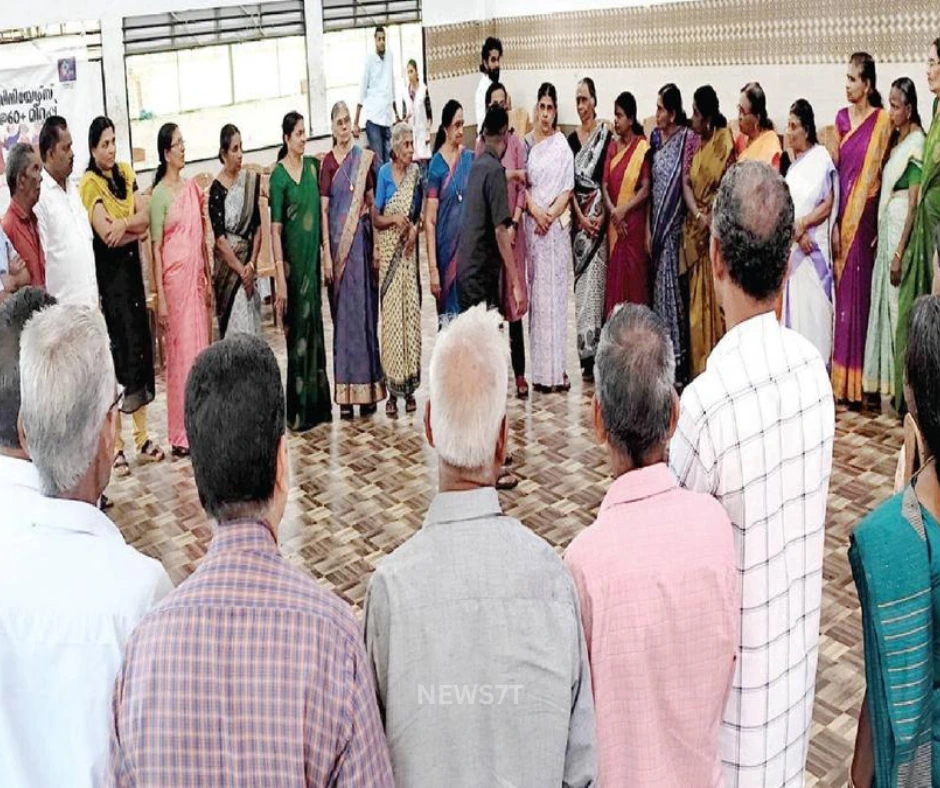
The initiative is not limited to just the elderly and volunteers. Various community stakeholders, including local authorities, senior citizens’ groups, and even auto and taxi unions, are involved. This ensures that the program is well-integrated into the local infrastructure and that both volunteers and seniors are properly supported. - Support for Elderly:
For elderly people, the program offers not only practical help but also emotional support. Many elderly individuals feel isolated, and having a regular visitor or volunteer can make a huge difference in their well-being. The Time Bank facilitates this by providing them with access to much-needed services from their community.
Impact on the Community
The Time Bank initiative in Kerala is already showing promising results.
Reducing Isolation Among Seniors:
One of the most immediate impacts of the Time Bank is the reduction in social isolation among elderly individuals. Many seniors who were previously isolated are now receiving regular visits from volunteers, which helps them feel more connected to their communities.
Strengthening Intergenerational Relationships:
The initiative encourages young people to spend time with older individuals. This not only helps alleviate the loneliness of seniors but also fosters mutual understanding and respect between generations. Younger individuals gain valuable life experiences and perspectives, while seniors benefit from the energy, enthusiasm, and support of younger people.
Building a Supportive Community:
The program is helping build a more compassionate and supportive community where people look out for one another. This is particularly important in an age where families are becoming more nuclear and people are often too busy to check in on their elderly relatives.
Volunteering as a Rewarding Experience:
Volunteers not only gain time credits but also the satisfaction of knowing that they are making a tangible difference in someone’s life. Many volunteers report feeling a sense of fulfillment and pride from helping others, which strengthens the fabric of society as a whole.
Challenges and the Way Forward
While the initiative has been a success so far, there are challenges that need to be addressed. For one, the digital divide could be a hurdle, as not all elderly people may be tech-savvy enough to navigate the website. Furthermore, the system of volunteer management requires continuous monitoring to ensure that both volunteers and elderly participants are getting the help they need in a timely and efficient manner.
Additionally, expanding the model to other districts and states will require significant resources and coordination. However, given the success of the Elikkulam pilot project, there is hope that the program will continue to grow and inspire similar initiatives across the country.
A Model for the World to Follow
The Time Bank initiative in Kerala stands as a shining example of how innovative and community-driven solutions can address the challenges of an aging population. Kerala, known for its progressive social model, has once again demonstrated its leadership by adopting the Japanese concept of Fureai Kippu and reshaping it to suit local needs. This initiative is not only improving the lives of elderly individuals in Kerala but also inspiring a culture of empathy and intergenerational cooperation across the state.
By implementing the Time Bank project, Kerala is setting a benchmark for how communities can care for their senior citizens through mutual respect and service. The program reflects Kerala’s deep-rooted values of compassion, social responsibility, and inclusiveness—values that make it one of India’s most socially progressive regions.

Today, as the elderly population grows, Kerala’s Time Bank offers a model that other states can emulate to build stronger, more connected societies. It shows how collective effort and local innovation can create lasting change.
In a world where time often feels like a scarce commodity, Kerala has transformed time into the most valuable currency of all—a currency that strengthens relationships, builds trust, and ensures that no one in Kerala or beyond is left behind. From Kerala villages to Kerala cities, Kerala shows how shared time powers inclusive growth.