Haryana Day 2025 – The Inspiring Story of Haryana’s Identity & Progress
Disha9 min read
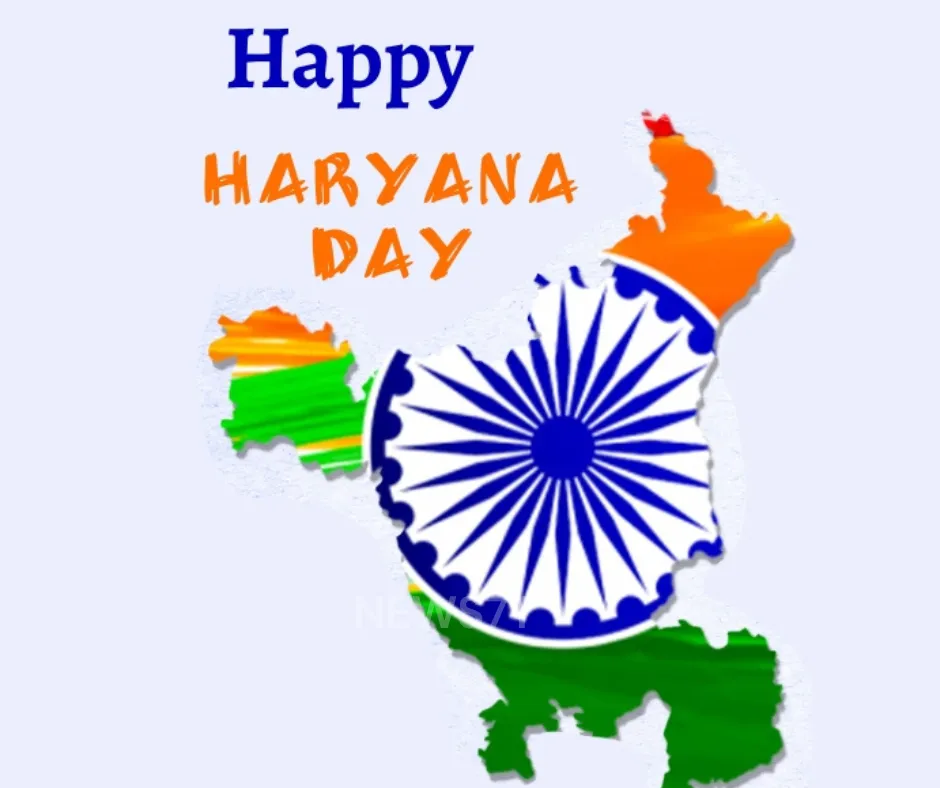
Haryana Day Every year on 1 November, the Indian state of Haryana observes Haryana Day (also called “Haryana Diwas”) to mark the day in 1966 when the state came into being. This day is not merely a public holiday, but an occasion to reflect on the journey of Haryana—from its origins and cultural roots, to its economic growth, sporting achievements, social challenges and aspirations for the future.
Table of Contents
Historical Background
Haryana’s story as a distinct administrative unit begins with the reorganisation of the Indian state of Punjab in the mid-1960s. After India’s independence in 1947, Punjab remained a large state, with diverse linguistic and cultural groups. Over time, demands arose for a separate state for Hindi-speaking areas which felt culturally distinct.
In April 1966, the Government of India appointed a Commission under Justice J. C. Shah (the Shah Commission) to examine the boundaries of Punjab and propose a re-organisation. On 18 September 1966 the Parliament passed the Punjab Reorganisation Act, 1966, which came into effect on 1 November 1966.
On that date Haryana was carved out of the erstwhile East Punjab (the Hindi-speaking areas) and became a full-fledged state. The city of Chandigarh was made a Union Territory and a shared capital of both Punjab and Haryana.
Haryana’s first Chief Minister was Bhagwat Dayal Sharma, a leader who had advocated for statehood for the Hindi-speaking regions.
The name “Haryana” itself comes from Sanskrit: Hari (God Vishnu) + ayana (home or abode), meaning “the abode of God”.
Thus 1 November became the day of renewal of identity for the region: a recognition of its linguistic, cultural and regional distinctiveness.
The Significance of Haryana Day & How It’s Marked
Haryana Day is significant for several reasons:
- It marks the formal creation of Haryana as a state, which meant more autonomy, dedicated governance and focused development of the region’s needs.
- It reinforces the distinct identity of the people of Haryana — their language, culture, customs and heritage.
- It is a day to reflect on the state’s achievements and challenges, to pledge further development and to unite citizens around a shared future. For example, the Governor’s message on the occasion highlights the state’s strides in agriculture, education, sports and industry.
- It is also a celebratory day: fostering state-pride, showcasing culture, and involving citizens across all walks of life.
How It’s Celebrated
The celebrations of Haryana Day often include:
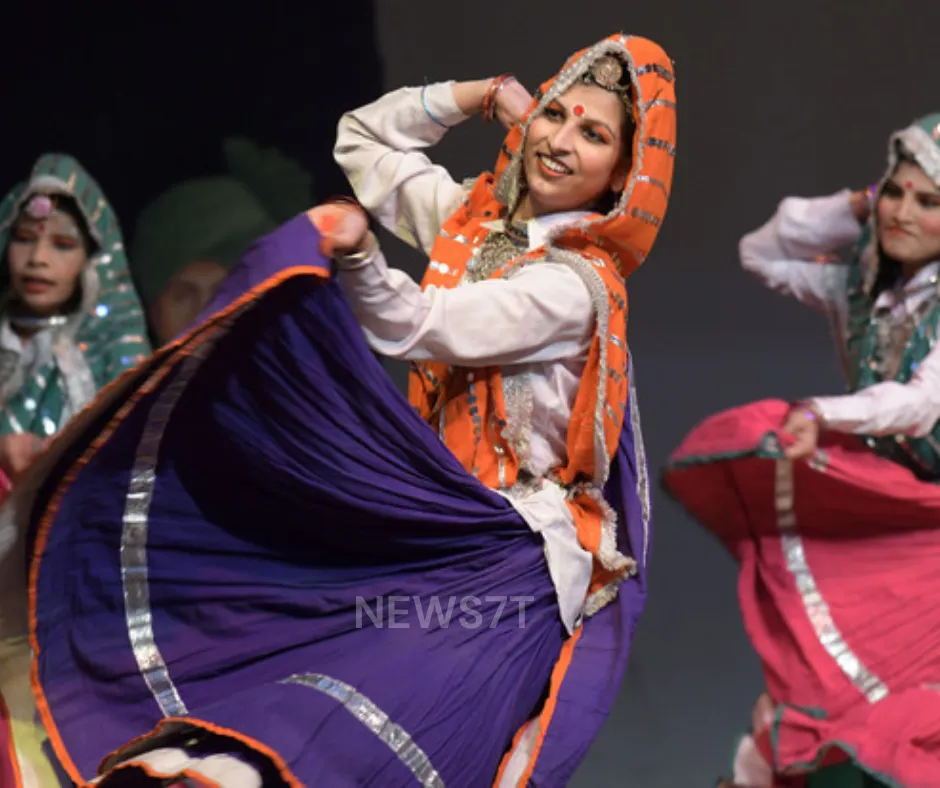
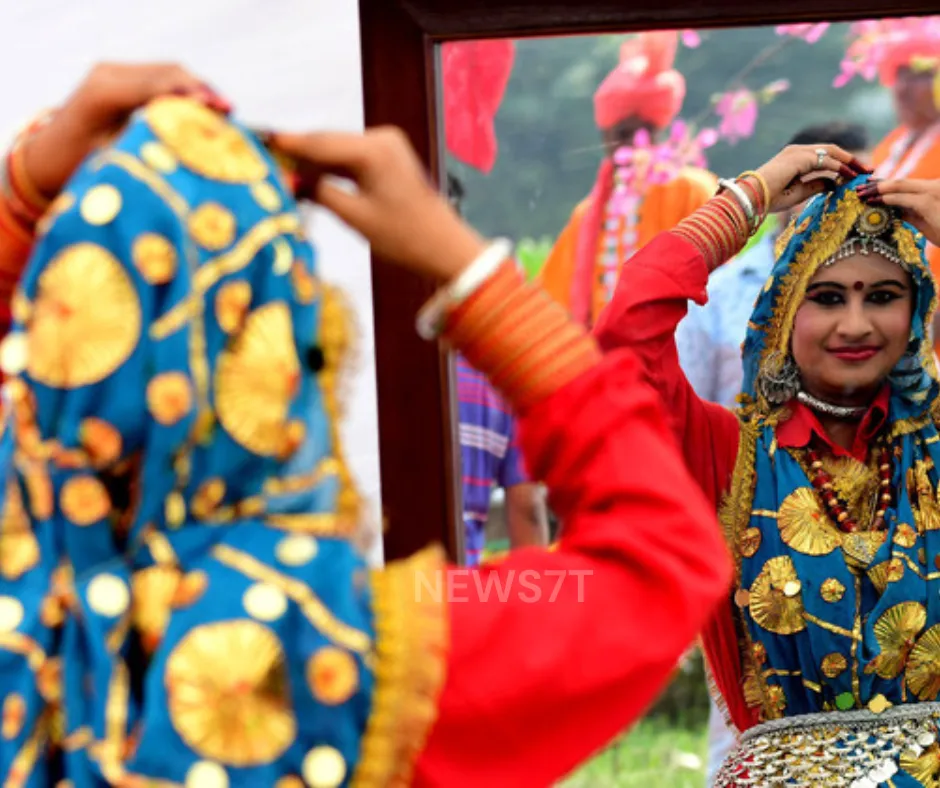
- Cultural programmes: folk music & dance performances (such as Jhumar, Gidda, Phag, Saang) that highlight Haryana’s vibrant traditions.
- Parades, cycle rallies, foot races: For example, cycle rallies and “Run for Fun” events are organised.
- Food festivals: “Pakwan Pratiyogita” (food competitions) in tourist complexes, celebrating Haryana cuisine.
- Blood donation camps, community engagement events: fostering social service alongside celebration.
- Official functions and addresses: The Governor and Chief Minister typically address the people, honour achievers and set out directions for future.
- Public holiday: Government offices, schools and many institutions remain closed on 1 November.
In short, the day is a blend of formal ceremony, cultural vibrancy and community festivity. It is meant to both recall the past and chart a vision ahead.
Culture, Heritage & Identity of Haryana
Haryana is deeply rooted in cultural traditions, agricultural society, and historical legacy. Its identity has multiple facets.
Folk Traditions & Performing Arts
Haryana’s folk culture is rich: forms such as Saang (a traditional folk theatre), Ghoomar and Jhumar dances, traditional songs, and village festivals play a major role.
These art forms reflect rural life, agrarian traditions, local craftsmanship and community bonding.
Language & Heritage
Hindi is the predominant language; Haryanvi (a dialect) is widely spoken and part of the local identity. The demand for a Hindi-speaking state in the 1960s was a key driver of Haryana’s formation.
The name “Haryana” meaning “abode of God” underscores the cultural significance of the land.
Historical and Mythological Sites
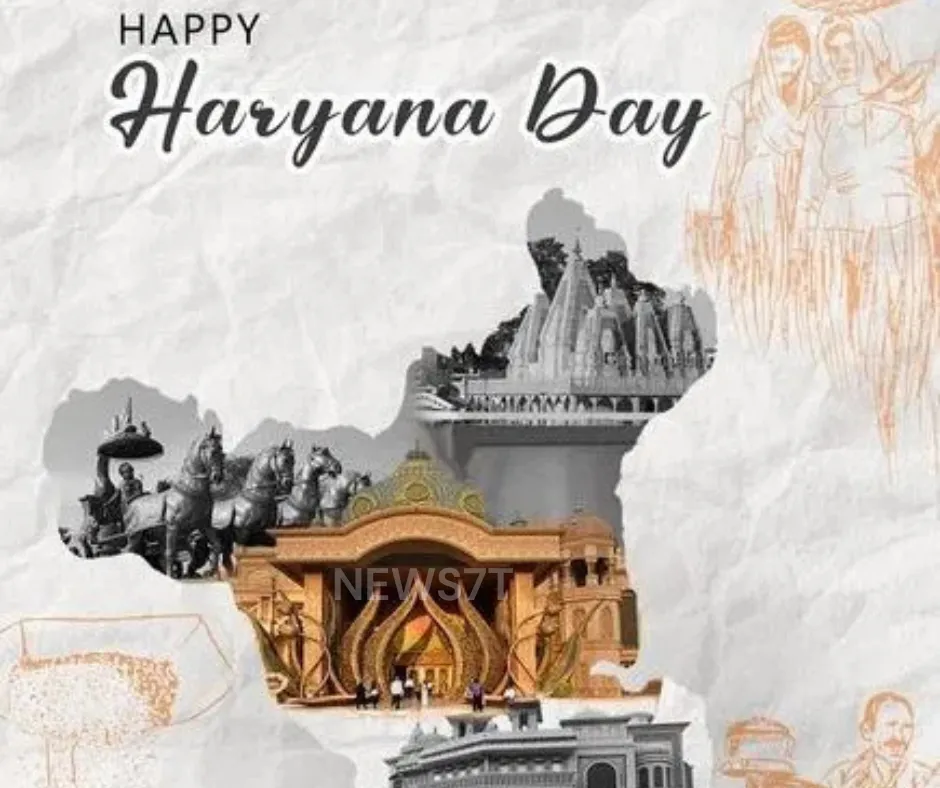
Haryana’s landscape includes many sites of historical depth — including links to the epic Kurukshetra War (in the district of Kurukshetra) and the ancient two-millennia-old civilisation of the Indus-Saraswati region (e.g., at Rakhigarhi). These layers of heritage add to the state’s cultural richness. (See e.g., reddit commentary acknowledging this)
Festivals, Cuisine & Rural Lifestyle
The rural lifestyle of Haryana is reflected in its festivals (Teej, Goga Navami, etc.) and cuisine (milk & curd prominently, simple wholesome fare). According to local media the phrase “a place where people eat milk and curd” is used to describe Haryana’s agrarian, dairy-rich society.
Pride & Identity
Haryana has cultivated a strong identity of self-reliance, physical robustness, sports prowess and cultural pride. In the Governor’s message, the emphasis on “unity, strength and commitment” is pointed out. Thus Haryana Day becomes more than a date: it is an affirmation of belonging, heritage and collective promise.
Economic, Agricultural, Industrial & Social Progress
Since its formation in 1966, Haryana has made significant strides in many fields. Its journey from a primarily agrarian region to a more diversified economy is noteworthy.
Agriculture & Green Revolution
An important part of India’s Green Revolution was Haryana.. The fertile plains and canal systems helped escalate wheat and rice production. The state has often been cited as among India’s leading producers of food grains. (Governor’s note)
Industrial Growth & Infrastructure
Apart from agriculture, Haryana has developed industrial clusters, especially around Gurugram (formerly Gurgaon), Faridabad, Panipat, Rewari and other districts. Its proximity to Delhi/NCR has helped grow IT/ITES, automobile and manufacturing sectors. Although the sources cited above do not go into depth, its role in “industrial growth” is mentioned.
Education & Social Services
The state has invested in expanding education, health services, and governance. For example, the Governor’s message on Haryana Day noted progress in implementing NEP-2020.
Sports & Human Capital
Haryana has become a major contributor to India’s sports talent pool. The state has produced many national and international athletes—wrestlers, boxers, shooters—bringing laurels. The Governor’s address explicitly mentions this.
Urbanisation, Tourism & Cultural Economy
Haryana, with its heritage sites (Kurukshetra, Pehowa, etc.), rural tourism potential and agro-tourism, is also developing additional economic dimensions. According to the celebrations of Haryana Day, events often include tourism components (food festivals at tourist complexes). In essence, Haryana has transformed considerably in under six decades, evolving from a newly-formed state with limited infrastructure to one with diversified growth.
Sporting Prowess & Contribution of Haryana
One of the more striking aspects of Haryana’s progress is its contribution to Indian sport and fitness culture.
A Hub of Athletes
Despite its relatively smaller population compared with large states, Haryana has consistently punched above its weight in national and international sports. Wrestlers, boxers, shooters, weight-lifters, and now e-sports and athletics — all fields have seen athletes from Haryana excel. Media reports on Haryana Day mention the number of top‐tier athletes who have brought laurels to India.
Sports Culture in Rural Areas
The rural heartland of Haryana — with its akharas (wrestling pits), village gyms, and local competitions — has nurtured sporting talent from early childhood. The culture emphasises physical fitness, discipline and competition. This base has helped many athletes from Haryana shine on national & global stages.
Government Support & Policies
The celebration of Haryana Day often features commitments by the state government to bolster sports infrastructure, provide better policies, encourage youth to take up sports as careers. For example, on Haryana Day the Chief Minister mentioned a better sports policy so that the youth can excel.
Pride & Inspiration
The sporting achievements of Haryana serve as both a source of pride and a model of what grassroots investment and culture can achieve. This sporting identity contributes to the state’s wider self-image: that of resilience, strength, and excellence.
Challenges That Haryana Faces
While Haryana has achieved a lot, it also confronts several structural and social challenges. Recognizing these is crucial for any meaningful discussion on Haryana Day.
Social Indicators & Gender Imbalance
Haryana has historically suffered from skewed sex ratios, particularly in certain districts, and pervasive gender-bias issues. While improvement has occurred, the challenge remains. For example, media coverage of the state’s founding sees “education-system and health-facilities” still as concern topics.
Resources, Equity & Rural-Urban Divide
Rapid urbanisation around towns such as Gurugram has brought prosperity, but rural and remote areas may still lag in infrastructure, health facilities and job opportunities. Ensuring that the benefits of growth are inclusive is a continuing task.
Environmental Sustainability & Agriculture Dependence
Given its agrarian base, Haryana’s future depends on sustainable agriculture, water-management, controlling environmental degradation, and adapting to climate change. Continuous dependence on traditional crops and water-intensive agriculture can pose risks.
Education, Skill Development & Employment
As the economy evolves, the demands for new skills, technology, innovation and higher education capacities increase. Meeting these demands, especially for rural youth, remains a challenge.
Social Cohesion & Cultural Change
With economic change, migration, cosmopolitanisation (especially around NCR), cultural shifts occur. Preserving the heritage, managing aspirations, maintaining social cohesion while progressing remains a balancing act. In short, Haryana Day is not just a celebration of what has been achieved—it is also a reminder of what still must be done. The day is an appropriate moment to assess progress and renew commitment to overcome these challenges.
The Future Vision of Haryana
Looking ahead, Haryana stands at a juncture: building on its strengths, addressing its weaknesses, and carving a pathway into the 21st century.
Vision for 2047 and Beyond
As part of the national vision of making India a developed nation by 2047 (on the 100th year of independence), Haryana is positioning itself to play a significant role. On Haryana Day 2024, the Chief Minister declared that “Haryana will play an important role in making India a developed nation.
Diversifying Economy & Future-Ready Sectors
Haryana must continue to diversify—from traditional agriculture to agri-tech, from manufacturing to high-end services, from rural tourism to green economy. Emphasising skill development, innovation, start-ups and technology will be important.
Sustainability & Environment
As the state grows, sustainable practices—water conservation, renewable energy, waste management, afforestation—are necessary. The cultural ethos of Haryana, tied to nature and agrarian life, can be leveraged to build an eco-friendly growth model.
Education & Human Capital
Investing in education, vocational training, not just for urban youth but for rural youth, ensuring equity in access, improving quality and meeting global standards will be key.
Sports & Cultural Diplomacy
Haryana already has a reputation for excellence in sports; the future could see it becoming a hub for sporting infrastructure, training, hosting events, and using sport as a means of social upliftment and international linkages. Haryana Day celebrations often emphasise this sporting identity as a driver of self-esteem and international recognition.
Inclusive Growth & Social Change
The future vision must include social inclusion, gender equality, rural upliftment, better health care and bridging gaps. On Haryana Day, the message often invokes unity, strength and collective resolve.
haryanarajbhavan.gov.in
Heritage & Tourism
Capitalising on historical sites (Kurukshetra, Pehowa, ancient Indus-Saraswati sites), rural culture, artisan crafts and festivals, Haryana can boost tourism, deepen cultural awareness, and generate new livelihood opportunities. By treating Haryana Day as a moment of recommitment, the state can align citizen aspirations with future goals, blending heritage with innovation.
Why Haryana Day Matters
Haryana Day is more than a mere “foundation day” of a state. It is a celebration of identity, a reaffirmation of culture, an occasion to appreciate progress, a moment to reflect on challenges and a time to renew hopes for the future. From its formation in 1966 to the present day, Haryana has undergone a remarkable transformation. It has become a significant contributor to agriculture, industry and sports. It has a vibrant cultural heritage, deep rural roots and growing urban dynamism.