Guru Nanak Jayanti: The Inspiring Celebration of Oneness, Faith, and Humanity
Disha7 min read
Guru Nanak ji Inspiring Celebration of Oneness, Faith, and Humanity Dev Ji was born on April 15, 1469, in Talwandi, now called Nankana Sahib in present-day Pakistan. From childhood, Nanak exhibited a rare spiritual depth and compassion that set him apart from his peers. Rejecting the rigid rituals of orthodox faiths and social divisions such as caste, he taught the oneness of God and the fundamental equality of all humans, proclaiming “Ik Onkar”—there is but One God present in all beings.
Table of Contents
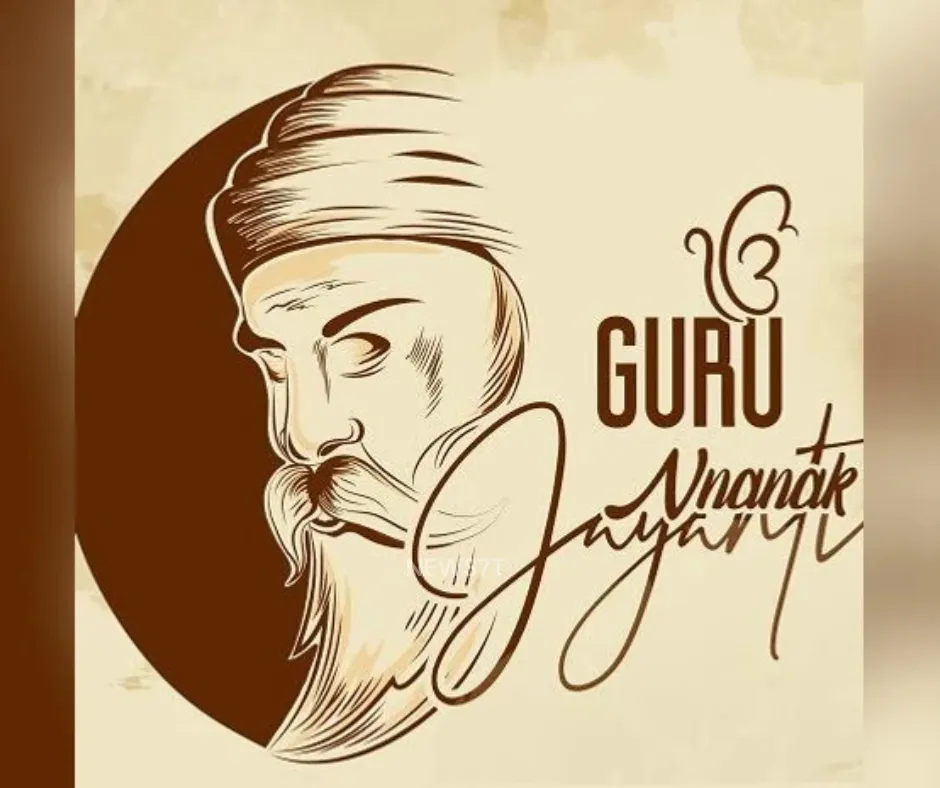
At around the age of 28, Guru Nanak dv ji da janam din set out on extensive journeys, traversing thousands of kilometers across the Indian subcontinent and beyond. He engaged with people of diverse backgrounds—Hindus, Muslims, Buddhists, Jains, and non-believers—spreading his message: “Sat” (truthfulness), “Naam Japna” (remembrance of God), “Kirat Karni” (honest and ethical living), and “Vand Chhakna” (sharing with the needy). His disciples formed communities based on these inclusive principles, which later became the Sikh Panth. The hymns and teachings of Guru Nanak dev ji da janam din are preserved in the Guru Granth Sahib, the eternal scripture of Sikhism.
Guru Nanak’s legacy is a bridge between spiritual wisdom and social justice. He discarded all social barriers, urging followers to help the suffering, live truthfully, and revere the Divine within all. His life inspires countless people to practice humility, courage, and shared service.
Historical Background of Guru Nanak Jayanti
Guru Nanak Jayanti, also known as Gurpurab or Prakash Utsav, commemorates the birth of Guru Nanak Dev Ji and stands as a focal point of Sikh religious and cultural identity. As Sikhism’s followers grew, the festival evolved into a community event, bringing people together for worship, service, and reflection.
Gurdwaras became centers for spiritual and social activities, particularly during Jayanti. The celebration not only honors the guru’s life but reinforces Sikh values through community service (Seva) and the communal meal (Langar).
The partition of Punjab, global diaspora, and growth of Sikh minorities have further deepened the festival’s unifying role. It’s a day for Sikhs globally to remember their roots, reaffirm their faith, and share Guru Nanak’s timeless teachings of compassion and equality.
Date and Calendar Significance
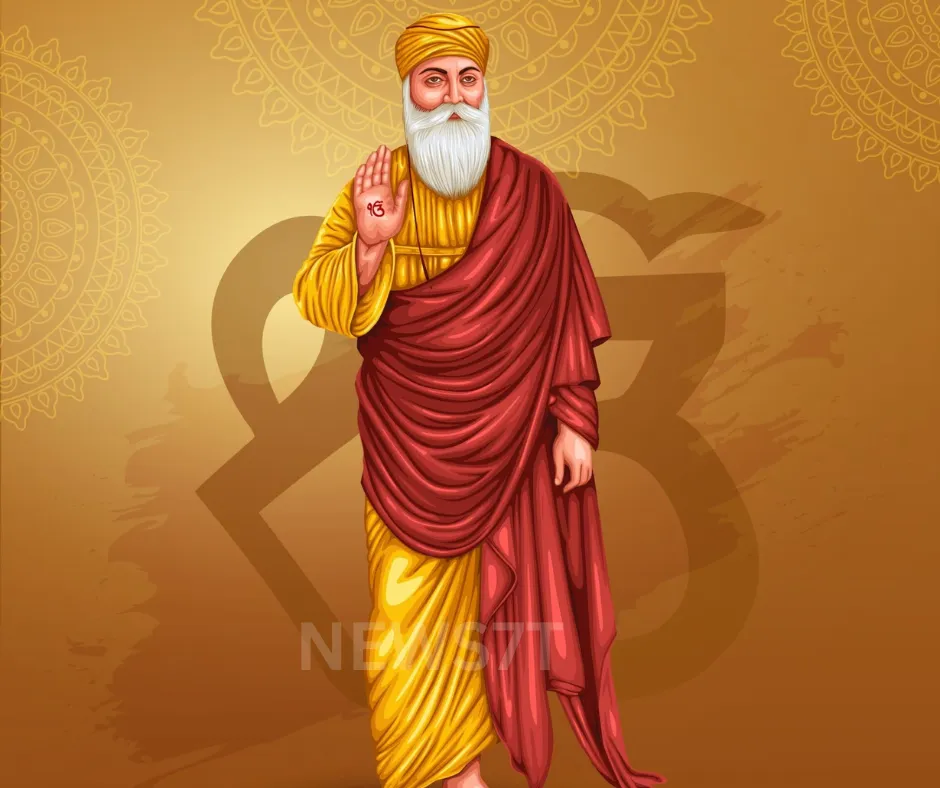
Guru Nanak Jayanti is pegged to the Hindu/Sikh lunisolar calendar, typically observed on Kartik Purnima—the full moon day of the Kartik month—falling in October or November by the Gregorian calendar each year. For 2025, the festival falls on Wednesday, November 5th.
Due to lunar calendar variations, there can sometimes be confusion regarding the precise date; local Gurdwaras and regional Sikh bodies may clarify celebrations so devotees can participate on the correct day. The symbolism of the full moon represents the light of wisdom that Guru Nanak brought into the world.
Customs, Rituals, and Celebrations
Preparations Before the Day
Celebrations begin two days in advance with Akhand Path—an uninterrupted, 48-hour recitation of the Guru Granth Sahib in Gurdwaras worldwide. Prabhat Pheris, or early morning processions filled with devotional singing, wind through Sikh neighborhoods. Gurdwaras and streets are adorned with lights, flags (Nishan Sahib), and flowers.
Main Day Revelries
On the day itself, devotees gather at dawn for Asa di Var (morning prayers) sung in Gurdwaras. Nagar Kirtans (religious processions)—led by Panj Pyare (five beloved ones)—wind through townships, featuring hymn-singing, martial-arts displays (Gatka), bands, and decorated floats. Kirtan Darbars (devotional music concerts) and discourses about Guru Nanak’s life and teachings are held. The Langar, a community kitchen, is the festival’s soul—serving free vegetarian meals to all irrespective of caste, creed, or religion. This tradition embodies Guru Nanak’s principles of equality, humility, and service. Some Gurdwaras observe late-night prayers and hymn-chanting to mark the precise birth hour. The festival radiates the values of light over darkness, service over self, and unity over division.
Symbolism and Community
Guru Nanak Jayanti’s practices—full moon, lights, shared meals, gatherings—are deeply symbolic. The Langar, Seva (voluntary service), and inclusive atmosphere uplift dignity, break societal barriers, and nurture empathy. Across continents, Sikh diaspora nations join offline or online in celebration, reinforcing their cultural heritage.
In India, especially Punjab, Haryana, and Delhi, it may be a public or restricted holiday. Abroad, Sikh communities host Langars, prayer meetings, and cultural programs. At historic sites, such as Nankana Sahib in Pakistan (Guru Nanak’s birthplace), devotees gather—sometimes facing travel and administrative challenges.
Teachings of Guru Nanak and Their Relevance Today
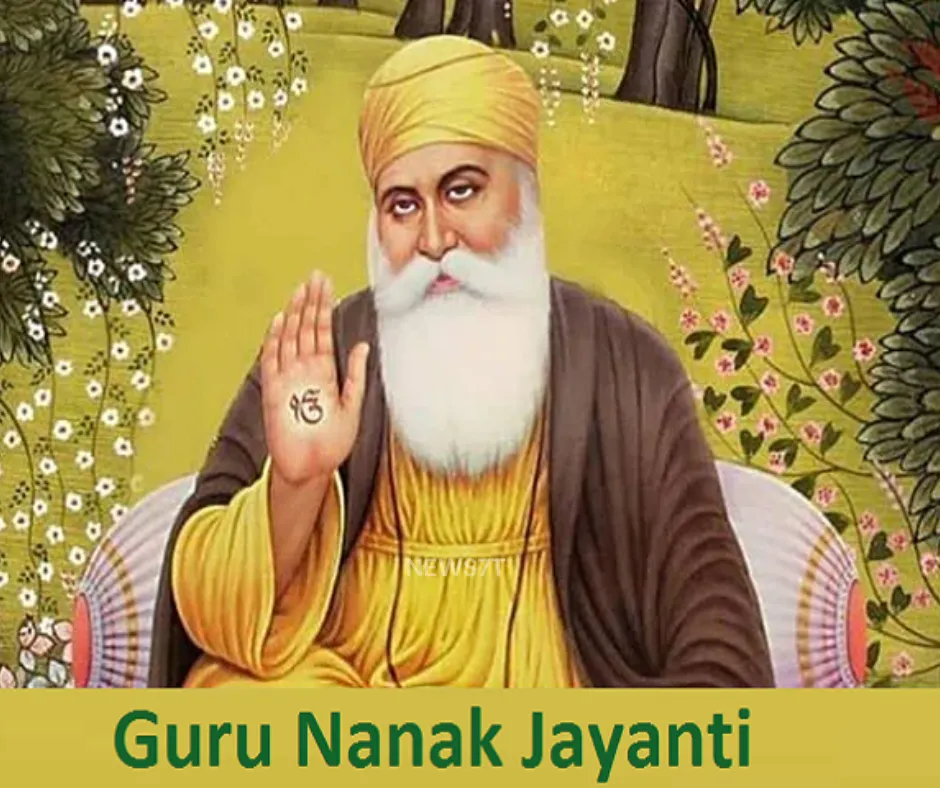
Guru Nanak’s philosophy emphasizes:
- Ik Onkar: The singular, universal nature of God.
- Naam Japna: Constant remembrance of the Divine.
- Kirat Karni: Honest, ethical living and labor.
- Vand Chhakna: Sharing resources with those in need.
Rejection of divisions based on caste, class, rituals, or religion.
Modern Relevance
In today’s divided world, Guru Nanak’s vision of unity, service, and inclusion remains vital. Vand Chhakna prompts response to inequality and poverty. Kirat Karni influences ethical work and entrepreneurship. The unity of Ik Onkar fosters ecological respect and interfaith dialogue. His teachings offer practical solutions to global crises—poverty, fragmentation, and spiritual malaise. For youth, Guru Nanak’s humility, courage, and leadership model inspire ethical action and community service. Societies can draw on Gurpurab’s lessons to foster civic spirit, empathy, and shared action.
Social & Cultural Importance
Cultural Identity
Guru Nanak Jayanti connects Sikhs to their millennia-old heritage, traditions, language (Punjabi), music (Kirtan), and architecture (Gurdwaras). Langar and other rituals preserve social customs and build collective identity.
Community Building and Philanthropy
Langar transcends caste and class, nurturing camaraderie and collective responsibility. The tradition has democratized access to food and built social bridges, influencing countless philanthropic movements across India and globally.
Tourism and Pilgrimage
Gurdwaras like Nankana Sahib, Kartarpur, and Bidar (Guru Nanak Jhira Sahib) attract pilgrims and tourists, supporting cultural tourism, heritage preservation, and interfaith dialogue.Globalization and Diaspora
With vibrant Sikh communities in the UK, Canada, USA, and Australia, Guru Nanak Jayanti has become an international festival. Diaspora Gurdwaras conduct Langars, host inclusive events, and build bridges across communities, amplifying the message of compassion and unity.
Promotion of Social Values
Outside Sikhism, the festival’s ethos—compassion, service, humility, equality—enriches all communities. Schools, social groups, and civic bodies use Gurpurab for public awareness, interfaith programs, and service initiatives.
Challenges and the Way Forward
Preserving Authenticity
With modernization and commercialization, there’s a risk of reducing Gurpurab to ritual and fanfare. True observance should involve deeper engagement with the principles of service, compassion, and truth.
Engaging Youth
New generations may be disconnected from tradition. Outreach through digital platforms, service projects, social media, and online kirtans can energize youth involvement, making the festival meaningful and transformative.
Service Beyond the Day
Langar’s spirit must extend beyond one day. Daily service, community kitchens, charitable drives, and education all embody Guru Nanak’s vision of universal care.
Interfaith and Social Cohesion
Guru Nanak’s teachings of unity across faiths are increasingly urgent. Interfaith meals, dialogue, and shared celebrations can build harmony in multicultural societies.
Heritage Conservation and Pilgrimage Access
Access and preservation of historic Sikh sites, especially those across borders, remain a challenge. Coordinated efforts for safe pilgrimage and cultural conservation are vital for keeping traditions alive.
Environmental Impact
Large gatherings, processions, lighting, and Langar can produce waste and environmental strain. Sustainable practices—eco-friendly lighting, minimal food waste, local sourcing—reflect Guru Nanak’s broad respect for nature and harmony.
The Enduring Message of Guru Nanak
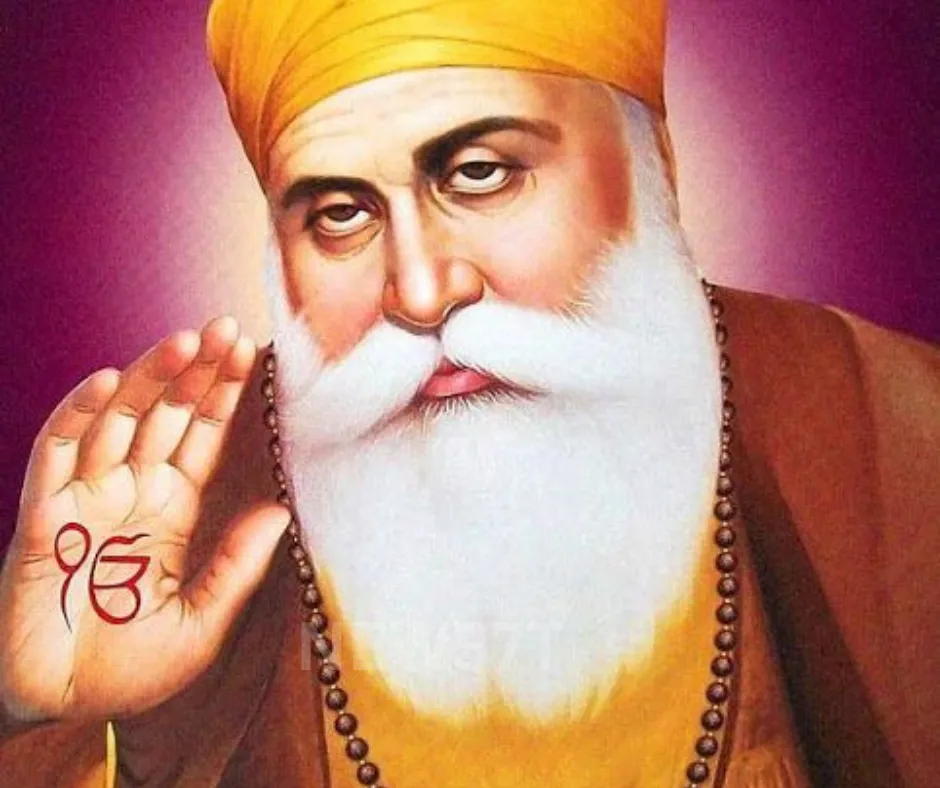
Guru Nanak transcends mere rituals; it shines as a festival of wisdom, humble service, equality, and community solidarity. For Sikhs, it is a spiritual milestone. For everyone, it’s an invitation to imbibe values that transform both self and society.
Guru Nanak’s life proves that one soul, living fearlessly for truth and compassion, can illuminate the world. This celebration urges us to look beyond ritual, to embody honest living, share with others, and build unity—each act, every day, becomes an offering to the Divine within all. When communities gather, share food, listen to stories, and set aside divisions, they build a society closer to Guru Nanak’s vision—a world uplifted by love, kindness, and integrity. In today’s fast-changing landscape, the questions of Guru Nanak Jayanti press upon us:
- How am I living honestly, practicing service daily?
- Have I shared today—not just wealth, but kindness and time?
- How do I, and my society, cultivate equality and unity?
- How can my life reflect the light, compassion, and truth born on Kartik Purnima?
Whether Sikh or not, these questions cut across faiths, inspiring reflection, commitment, and celebration. Guru Nanak Jayanti calls us to pause, enrich one another, serve selflessly, and build a future rooted in harmony and hope.
Happy Guru Nanak Jayanti—may the teachings of Guru Nanak Dev Ji illuminate lives with service, unity, and kindness.