Global Handwashing Day 2025 – The Essential Guide to Clean Hands and Health
Disha8 min read
Global Handwashing Day is a unifying international campaign celebrated every year on October 15. Its purpose is to remind the world that washing hands with soap is not just a daily routine but a critical public health intervention that can prevent countless diseases and ultimately save lives. This campaign reaches across the globe, spanning over 100 countries and touching millions of lives through creative activities, bold advocacy, and impactful educational programs.
Although handwashing may seem basic, for many, especially those living in underprivileged settings, access to soap and clean water remains a luxury. Global Handwashing Day serves as a powerful call to action—encouraging governments, communities, schools, and individuals to prioritize hand hygiene for personal and collective well-being.
Table of Contents
The Origin and Growth of a Movement
Global Handwashing Day traces its roots back to 2008. Its founding was a watershed moment inspired by the International Year of Sanitation, declared by the United Nations. The Global Handwashing Partnership, a coalition of international NGOs, public health experts, and other stakeholders, launched the initiative to promote systematic, sustainable changes in hygiene practices throughout the world.
From the inaugural event, which galvanized over 120 million children in 70 countries, Global Handwashing Day has blossomed into a global phenomenon. In Global Handwashing Day Schools, healthcare facilities, and communities have united for memorable demonstrations, rallies, and awareness sessions, solidifying this special day’s place in the annual calendar.
Addressing Current Priorities
Global Handwashing Day Each year’s theme provides a focused lens, motivating people to reflect on specific aspects of hand hygiene. In 2025, the proposed theme “Be a Handwashing Hero” (as well as “Clean Hands for a Healthy Tomorrow”) emphasizes the power of individuals—children, parents, teachers, and professionals—to lead and inspire good hygiene practices within their networks. Previous themes have spotlighted universal access, community action, and lessons learned from global health challenges like COVID-19.
These themes align with global development goals, advancing the United Nations Sustainable Development Goals (SDGs), especially SDG 3 (Good Health and Wellbeing) and SDG 6 (Clean Water and Sanitation).
Hand Hygiene: An Unmatched Public Health Tool
How Handwashing Works
Handwashing with soap physically dislodges and chemically destroys the germs, bacteria, and viruses that accumulate on our skin. Soap molecules have a hydrophobic (grease-attracting) and hydrophilic (water-attracting) end. The hydrophobic end binds with dirt, oils, and microbes, while the hydrophilic end allows the debris to be rinsed away under running water. This mechanism is superior to using water alone and even more effective than many hand sanitizers for certain germs.
Health Benefits and Disease Prevention
The health impacts are substantial
- Proper handwashing can reduce diarrheal diseases by 40% and respiratory infections by 20–25%.
- Prevents the spread of highly infectious illnesses, including influenza, COVID-19, cholera, and even eye or skin infections.
- Saves up to a million young children’s lives each year by breaking the cycle of disease transmission.
- Helps maintain good nutrition in children by preventing illness-related malnutrition.
Economic and Societal Impact
Addressing Current Priorities
Global Handwashing Day Each year’s theme provides a focused lens, motivating people to reflect on specific aspects of hand hygiene. In 2025, the proposed theme “Be a Handwashing Hero” (as well as “Clean Hands for a Healthy Tomorrow”) emphasizes the power of individuals—children, parents, teachers, and professionals—to lead and inspire good hygiene practices within their networks. Previous themes have spotlighted universal access, community action, and lessons learned from global health challenges like COVID-19.
Global Handwashing Day Healthy, hygienic individuals can attend work and school, reducing absenteeism and boosting productivity. Handwashing is a simple intervention that yields high returns—up to 16 times the cost invested in hand hygiene promotion and facilities. Globally, healthier populations ensure economic growth, reduced healthcare burdens, and enhanced quality of life.
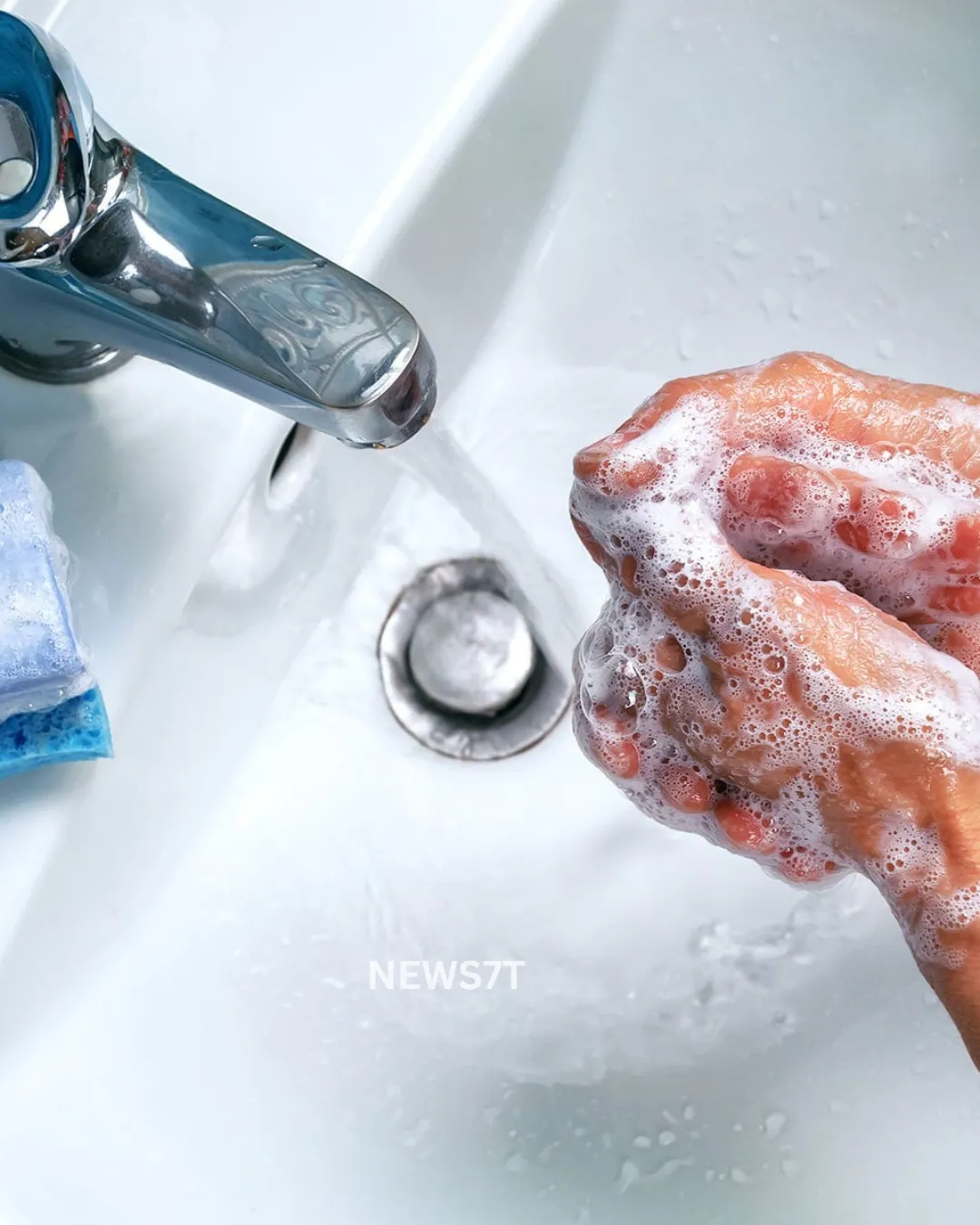
When and How Should You Wash Your Hands?
According to global health authorities, hands should be washed:
- Before eating or preparing food
- After using the restroom
- After sneezing, coughing, or blowing your nose
- Before and after caring for the sick
- After changing diapers or assisting children with bathroom needs
- After handling garbage or animals
Before treating wounds
- Proper Handwashing Technique:
- Wet hands with clean, running water.
- Apply soap and lather thoroughly—all surfaces, including between fingers and under nails.
- Scrub for at least 20 seconds.
- Rinse well under water.
- Dry with a clean towel or let air dry.
Global Initiatives and Innovations
Major Campaigns and Collaborations
- Organizations such as UNICEF, WHO, and USAID drive ambitious hygiene initiatives. Programs include:
- Building handwashing stations in low-income regions
- Providing free soap and educational resources
- Funding research and infrastructure in schools and healthcare facilities
Public–private partnerships see corporations like Lifebuoy, Dettol, and Unilever funding campaigns and product distribution—cornerstones for broader impact.
National and Regional Actions
Countries like India (through Swachh Bharat Mission), Japan (via JICA), and Mexico have embedded hand hygiene into health and education policies, ensuring that children learn about and can practice handwashing from an early age.
Monitoring and Measurement
The UNICEF–WHO Joint Monitoring Programme (JMP) tracks progress on water, sanitation, and hygiene (WASH), informing national policies and international targets for universal hygiene access.
Myths vs. Facts: Dispelling Hand Hygiene Misconceptions
- Myth: Hand sanitizers are better than soap.
- Fact: Soap and water are more effective against some germs and chemicals.
- Myth: Hot water is mandatory for effective handwashing.
- Fact: Soap and thorough scrubbing are what matter—temperature is less important.
- Myth: Rinsing for a few seconds is sufficient.
- Fact: Scrubbing for 20 seconds is needed to remove most pathogens.
Education and Community Mobilization
Schools as Agents of Change:
- Educational institutions can deeply influence hand hygiene habits. Schools achieve this by:
- Incorporating hand hygiene into lessons and daily routines
- Organizing drills, competitions, and peer education sessions
- Ensuring accessible handwashing stations near toilets and cafeterias
- Recognizing students who act as hand hygiene ambassadors
- Children often carry these lessons home, influencing their families and broader communities.
Community Engagement:
Demonstrations, street plays, and public pledges are common worldwide.
NGOs continually host awareness walks, soap distribution drives, and mobile hygiene clinics to reach underserved populations.
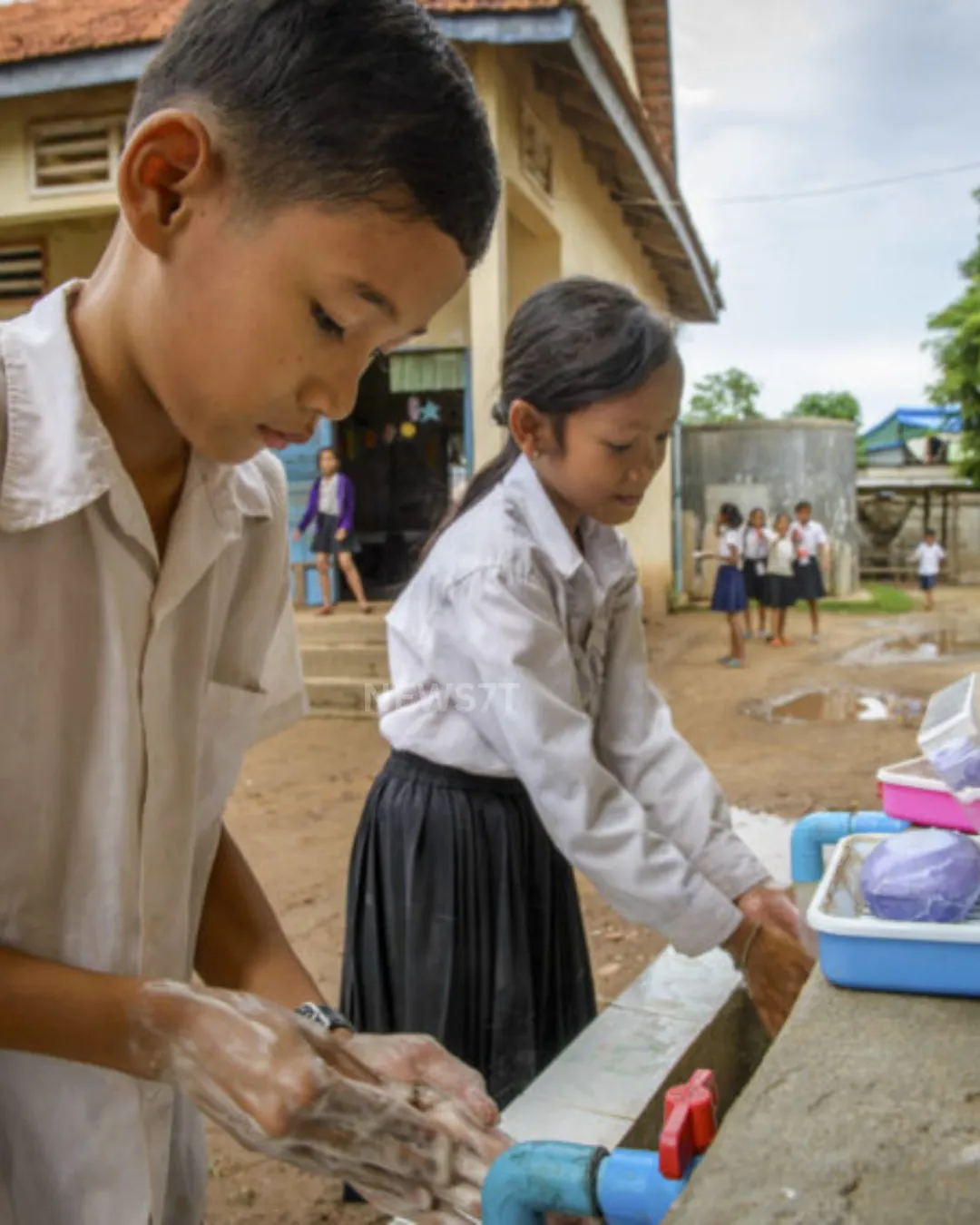
The global COVID-19 pandemic drastically raised the profile of handwashing as a primary defense. Many nations installed public handwashing facilities in schools, marketplaces, and bus stops, while digital campaigns and unique slogans flourished online.
Health care systems now treat hand hygiene as non-negotiable—for both staff and visitors in clinical environments—because it demonstrably saves lives and reduces the spread of not only COVID-19, but also other hospital-acquired infections.
Barriers to Hand Hygiene: Infrastructure, Behavior, and Economics
Infrastructure: Billions still lack basic facilities at home, school, or work, most acutely in developing nations and remote regions.- Behavioral barriers: Despite knowledge of hygiene’s value, ingrained habits or lack of visible role models can stall regular handwashing.
- Economic inequality: Soap, sanitation, and water are beyond the means of some families.
- Education: Myths, inadequate information, or poorly communicated messages may lead to sporadic handwashing or incorrect technique.
- Overcoming these obstacles remains a global imperative.
Solutions and the Role of Technology
- Investment in robust WASH infrastructure (water, sanitation, and hygiene) is transforming communities. Portable sinks, touchless taps, and low-cost soapy water dispensers are some recent innovations.
- Technology now allows mobile reminders, gamified health apps, and virtual demonstrations—especially effective for engaging children and teens.
- Social media amplifies the campaign’s reach through hashtags like #GlobalHandwashingDay and #CleanHandsSaveLives, driving a culture of participation and accountability worldwide.
Global Handwashing Day in Action
Slogans and Creative Outreach
Some memorable handwashing slogans include:
- “Clean Hands Save Lives”
- “Hand Hygiene for All”
- “Be a Handwashing Hero”
- “Wash, Scrub, Rinse, Repeat!”
Campaigns often feature posters, infographics, online videos, and celebrity endorsements for greater influence on youth and at-risk populations.
Activities and Celebrations
Global Handwashing Day celebrations are lively and diverse, including:
- Artistic competitions (posters, songs, poems)
- Skits and street plays
- Demonstration booths at community events and hospitals
- Corporate wellness days and health check-up camps
Prizes, certificates, and public recognition motivate continued participation.
Lessons from Real-World Impact
- Schools and Child Health
- In Global Handwashing Day programs can reduce absenteeism by curbing outbreaks of diarrhea and respiratory diseases. Healthier students perform better academically, while schools save on lost teaching days and medical care costs.
- Emergency Response
- In disasters—earthquakes, floods, or epidemics—hand hygiene is often among the first public health responses deployed to prevent further spread of disease.
- Sustainability
- The success of Global Handwashing Day is measured not just by one day’s activities, but by sustained changes in knowledge, attitudes, and access year-round—ensuring children become agents of change in their families and communities.
The Future of Hand Hygiene
Despite impressive progress, much work remains. Universal access to water and soap is still out of reach for almost a quarter of the world’s population. The challenge of building habits, busting myths, and maintaining infrastructure is ongoing.
But, every year, the Global Handwashing Day movement grows larger and stronger, and every hand washed is a step toward health equity for all. New technologies, better policies, and deeper public engagement promise a future where handwashing becomes as instinctive as breathing, leaving no one behind.
Make Every Day Global Handwashing Day
Global Handwashing Day underscores the belief that changing the world often starts with small, intentional actions. Practicing regular handwashing is one of the simplest yet most impactful ways to prevent illness, ensure healthy childhoods, and protect communities from unpredictable infections and crises. The 2025 message—whether “Clean Hands for a Healthy Tomorrow” or “Be a Handwashing Hero”—calls on everyone to be proactive, resourceful, and inspiring champions of hygiene.
As you celebrate Global Handwashing Day, remember: real change happens when each of us chooses to prioritize hand hygiene—not only for ourselves, but also to inspire our families, schools, colleagues, and the wider community to do the same. With clean hands, we hold the key to a brighter, healthier, and more resilient tomorrow, truly making every day a Handwashing Day.