
Why Elevated Blood Pressure in Kids Signals Risk for Midlife Heart Problems
Disha8 min read

Blood Pressure in Children who develop high blood pressure (hypertension) as early as age seven are now recognized as being at significant risk for cardiovascular complications and premature death by their 50s, according to new research presented at the American Heart Association’s Hypertension Scientific Sessions 2025 and published in JAMA. This discovery shifts the danger threshold for early cardiovascular disease from adolescence (age 12) down to younger children, meaning the window for diagnosis and early intervention is now understood to open much earlier than previously believed.
Table of Contents
Hypertension in Young Children
Hypertension—once considered purely an adult or older adolescent condition—is steadily rising among children in India and worldwide. The prevalence is being propelled by several modern lifestyle trends including obesity, unhealthy eating, sedentary habits, excessive screen time, and mounting academic or urban stress. Recent Indian studies indicate that approximately 7% of children and adolescents now have high blood pressure, with much higher rates (close to 29%) among those who are obese.
Importance of Early Detection
High blood pressure in children is particularly insidious because it rarely produces symptoms in the early stages. When left unchecked, it often persists into adulthood, magnifying risks for lifelong health issues. Routine blood pressure screening in childhood is uncommon in India due to lack of time in busy clinics, shortage of paediatric equipment, and insufficient specialized training among healthcare workers.
Why Early Detection Matters
- Silent Onset: Childhood hypertension is generally asymptomatic and therefore hard to recognize without deliberate screening.
- Progression Risk: Up to twice the risk of developing serious adult heart disease, including heart attacks and heart failure, for those who had high BP as children.
- Long-Term Consequences: Early high BP may trigger a cascade of organ damage—including the heart, kidneys, brain, and blood vessels—starting from adolescence.
Key Risk Factors
A mix of genetic and environmental factors drives the ongoing epidemic of childhood hypertension:
- Obesity & Central Adiposity: Excess body fat, particularly around the abdomen, is the strongest single predictor.
- Unhealthy Diet: Diets high in salt, ultra-processed foods, and added sugars (such as soft drinks or packaged snacks) are major contributors.
- Sedentary Lifestyle: Low levels of physical activity and less time spent playing outdoors directly translate to poor cardiovascular conditioning.
- Excess Screen Time: Smartphones, tablets, computers, and TV not only promote physical inactivity but also encourage mindless snacking and late sleep routines.
- Family History/Genetics: Children with hypertensive parents or siblings are at higher risk by default.
- Air Pollution: Especially in Indian metros, exposure to traffic and industrial pollution elevates risks for both hypertension and respiratory disease.
- Chronic Stress and Poor Sleep: Academic demands, competitive environments, and erratic sleep patterns are increasingly implicated in elevated blood pressure readings among urban children.
Prevalence and Indian Context
The situation is particularly urgent in India, which has one of the fastest-growing populations of overweight and obese children worldwide. Several factors elevate the risk profile:
Urbanization and changing dietary patterns
- Aggressive marketing and easy accessibility of processed and fast foods
- Declining emphasis on physical education and playground access in schools
- Societal stressors, including tuition classes and competitive academics from a young age
Notable Data
- Prevalence among all children: ~7%
- Prevalence among obese children: ~29%
- Trends: Steady increase in overall hypertension rates in Indian children since 2005.
Consequences if Left Untreated
Chronic untreated hypertension in childhood is not a benign condition—it can cause irreversible harm much earlier than expected:
- Cardiovascular Damage: Thickening of the heart muscle, early-onset atherosclerosis (hardening of arteries), and vascular stiffness.
- Kidney Disease: High BP can damage delicate kidney structures, causing chronic kidney disease or failure over time.
- Brain Health: Risks include impaired cognitive function, learning difficulties, or even major incidents such as strokes if BP is severely uncontrolled.
- Poor Growth: In infants and very young children, hypertension can impair feeding, cause irritability, and restrict overall physical development.

Warning Signs
Most children with high BP are identified only through opportunistic checks—typically if they present with obesity, strong family history, or related complaints. However, certain red-flag symptoms suggest the need for urgent assessment:
- Silent Phase: No visible symptoms in early or mild cases.
- Mild Symptoms: Occasional headaches, vision problems, chest pain, palpitations.
- Emergency Symptoms: Seizures, fainting, sudden severe vomiting—may indicate brain involvement or hypertensive crisis.
- Activity-related Symptoms: Shortness of breath, chest discomfort during normal exercise.
- Infant Signs: Poor feeding, irritability, failure to thrive.
- Unusual Symptoms: Recurrent unexplained nosebleeds.
Systemic Challenges and Gaps in India
Despite clear clinical guidelines recommending regular blood pressure checks for children (especially the overweight or those with family risk), universal routine screening remains rare in Indian clinical practice. Expert commentary highlights:
- Lack of Time: In high-volume clinics, pediatric BP checks are often skipped due to time constraints.
- Resource Shortages: Inadequate supply of pediatric-appropriate cuffs and trained staff.
- Primary Care Prioritization: Competing priorities and workload in understaffed clinics overshadow preventive health checks.
- Social Factors: Urbanization, reduced outdoor spaces, academic pressures, and pervasive gadget use all feed into the vicious cycle of inactivity, obesity, and subsequent hypertension.
Urban Lifestyle Impact
Modern Indian cities present a perfect storm for childhood hypertension:
- Academic Pressure: Expectation-driven stress begins from preschool years and ramps up quickly.
- Reduced Outdoor Time: Urban planning squeezes out playgrounds and recreational spaces, leaving children indoors.
- Screen Addiction: Children now spend hours glued to screens for both schoolwork and entertainment, increasing sedentariness and disrupting normal sleep cycles.
- Dietary Trends: Junk food is cheap, readily available, and marketed aggressively, making unhealthy choices the default option.
What Families and Schools Can Do
Given that major risk factors are lifestyle-based, there is considerable potential for early intervention and prevention:
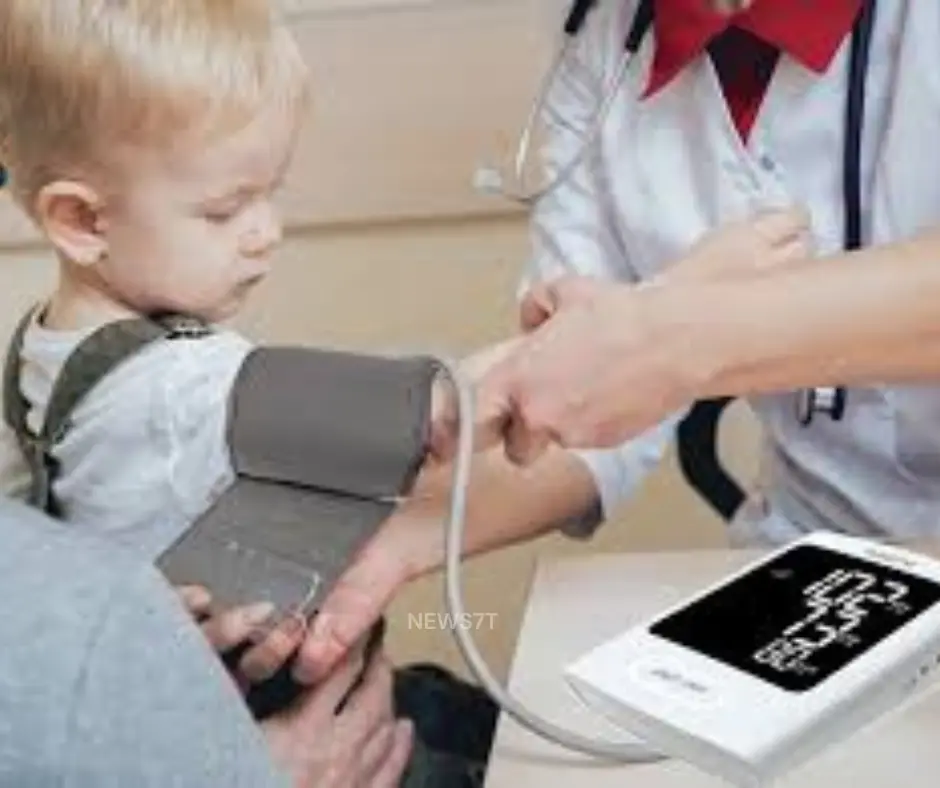
- Routine BP Monitoring: Every child should have periodic BP checks, particularly if obese, with family history, or showing mild symptoms. This catches silent cases early before damage accumulates.
- Nutritional Interventions: Encourage diets high in fruits, vegetables, whole grains, lean meats, and low-fat dairy—with minimized salt, sugar, and processed foods.
- Physical Activity: At least 60 minutes of moderate-to-vigorous activity daily. Cycling, running, dancing, and organized sports are all beneficial.
- Screen Time Limits: Restrict non-educational device use and ensure adequate sleep hygiene.
- Parental Role Modeling: Healthy eating and regular exercise must be normalized as family values.
- School Support: Incorporate health checks in annual school routines, reintroduce robust physical education, and make fresh, nutritious foods available in canteens.
- Community Initiatives: Build urban infrastructure with parks, playgrounds, and safe spaces for active recreation.
Policy Recommendations
- Experts urge regulatory and policy-level changes to combat the growing crisis:
- Mandatory blood pressure checks in all pediatric visits, regardless of risk status.
- National awareness campaigns about the dangers of high blood pressure in childhood.
- Regulation of junk food advertising targeting children.
- Curriculum changes to ensure daily compulsory physical activity for students.
- Grants for research into pediatric hypertension and its unique risk patterns in the Indian context.
Special Vulnerabilities of the Obese Child
While high blood pressure can occur at any weight, obese children are especially susceptible—nearly one-third of overweight kids develop hypertension, compared with ~7% among their healthy-weight peers. Obesity compounds cardiac workload, causes metabolic disturbances, and fosters resistance to insulin and other hormones, intensifying vascular stress and accelerating organ damage.
Medical Management
When hypertension is diagnosed:
- Initial Steps: Detailed assessment including repeated BP measurements, blood and urine tests, and evaluation for secondary causes.
- Lifestyle Counseling: First line of therapy is non-pharmacologic—weight loss (if applicable), dietary improvements, and activity increases.
- Medication: Only a small minority need antihypertensive drugs, usually if lifestyle changes alone are insufficient or if there’s evidence of organ involvement.
- Regular Monitoring: Lifelong tracking of BP, growth, kidney and heart health is needed—these children remain at higher risk throughout adolescence and adulthood.
Cultural and Socioeconomic Considerations
- Indian families face distinct challenges:
- Cultural beliefs may delay or prevent medical consultations.
- Stigma about discussing weight, blood pressure, or mental health in children.
- Economic hardship may mean processed, salty foods are more affordable than fresh produce.
Medical infrastructure gaps between urban and rural India worsen inequality, with affluent urban families having far better access to preventive care.
Public Health Imperative
With the numbers of hypertensive and prehypertensive children climbing, failure to intervene risks creating a “wave” of adult cardiovascular disease in coming decades. Experts warn that ignoring pediatric risk now means higher healthcare costs, lost productivity, and more premature deaths in the future.
Unique Challenges in Diagnosis
- BP varies widely with age, sex, and height in children—making standardized interpretation tricky.
- Poorly calibrated or adult-sized BP cuffs can yield inaccurate readings.
- Many clinics lack training on how to properly assess and interpret pediatric blood pressure.
Normative blood pressure tables and percentile-based charts must be used to set accurate diagnostic thresholds for kids rather than adult cutoffs.
Role of Technology
- Smartphone apps and digital sphygmomanometers may help bridge the gap, supporting at-home monitoring for at-risk children.
- Telemedicine can offer periodic counseling and dietary advice, especially in semi-urban or rural areas.
Global Perspective and Comparative Data
Though India faces a unique set of challenges, childhood blood pressure issues are rising worldwide, reflecting similar trends in lifestyle, urbanization, and diet. Developed countries also struggle with obesity, high blood pressure, and overconsumption of salty and processed foods, although aggressive blood pressure screening and preventive care are more routine in some settings. Increasing awareness about childhood blood pressure can help promote early diagnosis and healthier habits across all populations.
Parenting Strategies
Educating parents about early warning signs and preventable risks is crucial:Watch for behavioral cues: irritability, withdrawal from activities, unexplained headaches.
- Reduce sugar- and salt-rich foods at home.
- Encourage participation in team sports and outdoor play.
- Model stress management and sleep hygiene.
School-Based Innovations
- Mandate annual health checkups and fitness testing.
- Ban sugary drinks and salty junk foods from school premises.
- Train teachers to recognize physical and behavioral warning signs.
Takeaway Messages
- Blood pressure surveillance should begin in childhood—not just the teenage years.
- Small shifts in family routine and school policy can have major downstream benefits.
- Collaboration between health professionals, educators, parents, and policymakers is essential.
High blood pressure in children as young as seven years old is a silent but dangerous threat, especially in rapidly urbanizing societies like India. Early detection, lifestyle intervention, and supportive policies can drastically reduce the risk of long-term heart, kidney, and brain complications—even life-threatening outcomes. Regular, routine blood pressure checks and healthy lifestyle choices are the frontline defense for safeguarding the next generation’s cardiovascular health.