World Polio Day 2025: History, Significance, Theme, and Global Efforts to End Polio
Disha7 min read
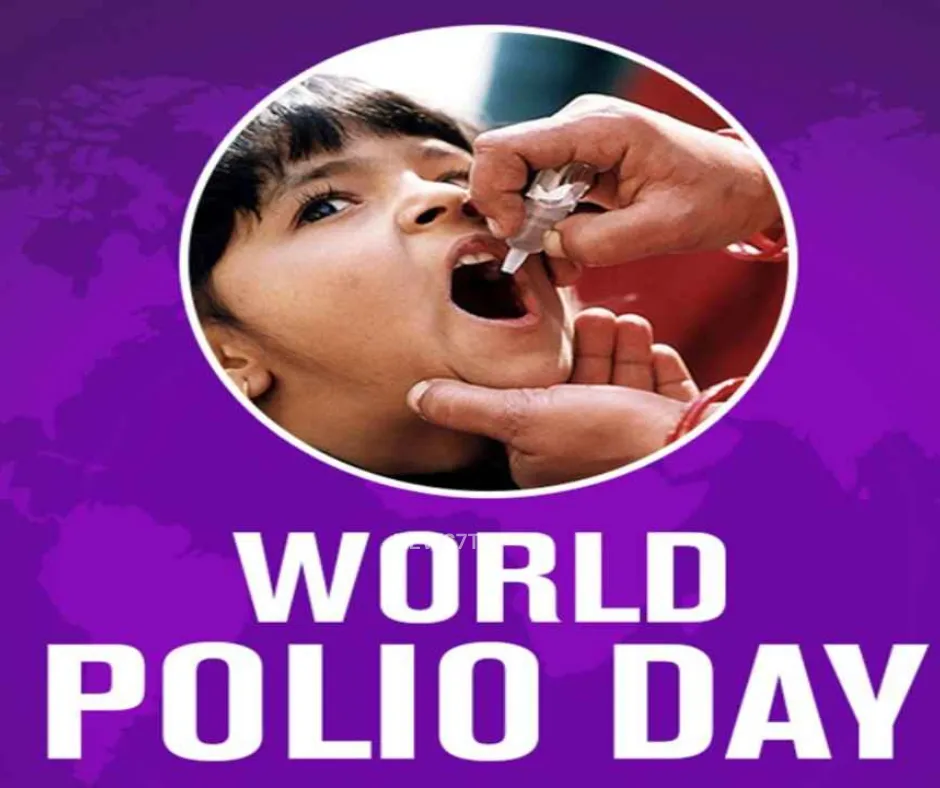
World Polio Every year, the world comes together to observe World Polio Day on October 24. The day serves as a powerful reminder of the global effort to eradicate poliomyelitis (polio) — a crippling and potentially deadly infectious disease caused by the poliovirus.
World Polio Day honors the birth anniversary of Dr. Jonas Salk, the medical researcher who led the first team to develop a vaccine against poliomyelitis. His work changed the course of medical history and gave humanity hope for a polio-free world.
As of 2025, the world stands at the edge of eliminating polio entirely — a remarkable public health milestone. However, challenges remain in ensuring that no child, anywhere, is left unvaccinated.
This article explores the history, importance, global campaigns, progress, and future goals of World Polio Day 2025 in detail.
Table of Contents
What is Polio?
Poliomyelitis (polio) is a highly infectious viral disease that mainly affects young children under the age of five. The poliovirus spreads through contaminated water and food or contact with an infected person.
Once it enters the body, it invades the nervous system and can cause permanent paralysis within hours. In severe cases, polio can also lead to death, usually due to paralysis of the breathing muscles.
Types of Poliovirus
There are three types of wild poliovirus (WPV):
- Type 1 (WPV1)
- Type 2 (WPV2) – eradicated globally in 2015
- Type 3 (WPV3) – declared eradicated in 2019
Today, only Type 1 poliovirus remains in circulation, primarily in Afghanistan and Pakistan.
History of World Polio Day
World Polio Day was established by Rotary International to commemorate Dr. Jonas Salk, whose vaccine discovery in 1955 paved the way for mass immunization.
Rotary, in collaboration with the World Health Organization (WHO), UNICEF, the U.S. Centers for Disease Control and Prevention (CDC), and the Bill & Melinda Gates Foundation, launched the Global Polio Eradication Initiative (GPEI) in 1988.
At that time, polio paralyzed more than 350,000 children annually in over 125 countries. Since then, cases have dropped by over 99%, marking one of the most successful vaccination campaigns in history.
World Polio Day 2025
The official theme for World Polio Day 2025 (as announced by Rotary International and WHO) is:
“End Polio Now: Reaching the Last Child.”
This theme highlights the ongoing mission to vaccinate every child in every corner of the world — especially in regions affected by war, poverty, or misinformation. It also symbolizes the final push toward a polio-free world.
Significance of World Polio Day
World Polio Day is not just a day of remembrance — it’s a call to action. It reminds the global community that the fight against polio is not over.
Here’s why it’s important:
- Raises Awareness: Educates people about polio prevention, symptoms, and vaccination.
- Encourages Immunization: Reinforces the importance of routine immunization in all countries.
- Acknowledges Global Efforts: Recognizes the hard work of healthcare workers, volunteers, and organizations.
- Honors Scientific Achievements: Celebrates the scientists like Dr. Salk and Dr. Albert Sabin, who developed vaccines that changed the world.
- Motivates Continued Funding: Reminds governments and global donors to continue financial and technical support.
Global Polio Eradication Efforts
The Global Polio Eradication Initiative (GPEI) has been the cornerstone of global efforts to end polio since 1988. It is a public-private partnership led by:
- World Health Organization (WHO)
- Rotary International
- Centers for Disease Control and Prevention (CDC)
- UNICEF
- Bill & Melinda Gates Foundation
- Gavi, the Vaccine Alliance
Achievements of GPEI
Reduction of global polio cases by 99% since 1988.
Certification of five WHO regions as polio-free, including the African Region (2020).
Over 2.5 billion children vaccinated worldwide.
Millions of volunteers working in more than 200 countries.
Key Vaccines Used
Oral Polio Vaccine (OPV) – developed by Dr. Albert Sabin.
Inactivated Polio Vaccine (IPV) – developed by Dr. Jonas Salk.
Together, these vaccines have saved millions of lives.
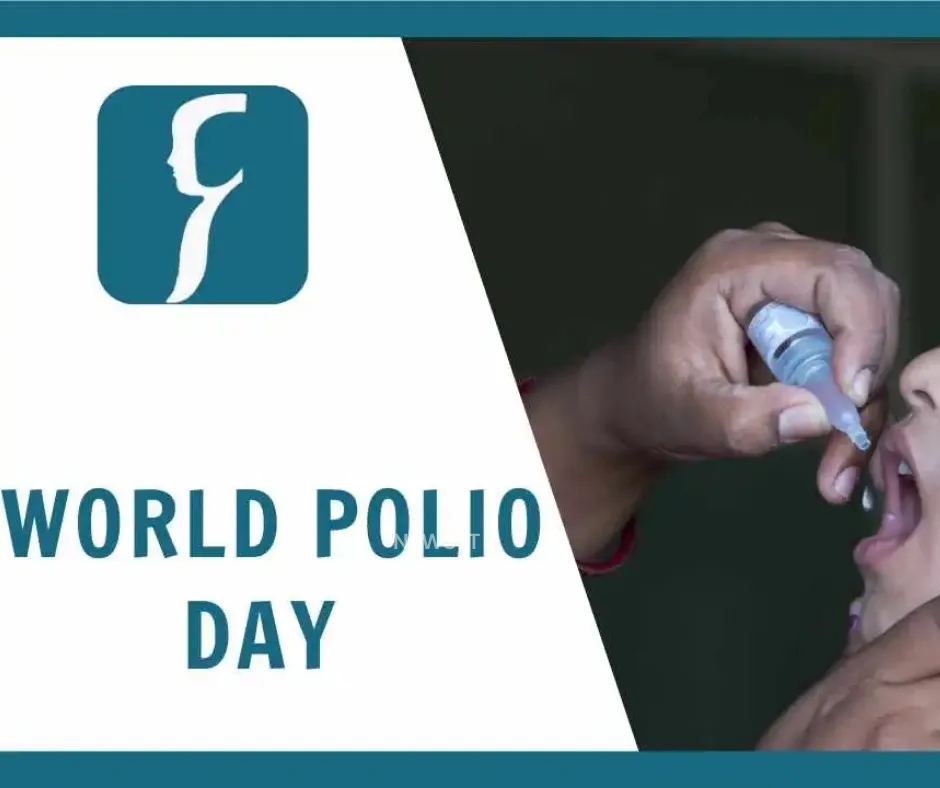
Polio Eradication in India: A Remarkable Success Story
India was once considered one of the toughest countries to eradicate polio due to its high population density, poor sanitation, and logistical challenges.
However, through strong political commitment, community participation, and mass vaccination campaigns, India achieved a historic milestone.
Timeline:
- 1995: Launch of the Pulse Polio Immunization Program.
- 2009: Last case of wild polio detected in West Bengal.
- 2014: WHO declared India polio-free.
This achievement inspired other nations and proved that polio can be defeated through collective effort.
Challenges That Still Remain
Despite enormous progress, certain obstacles continue to hinder the complete eradication of polio worldwide:
- Conflict Zones: Political instability in countries like Afghanistan makes vaccination drives difficult.
- Misinformation: Vaccine hesitancy and myths spread through social media impact public trust.
- Accessibility: Remote and rural areas often lack health infrastructure.
- Funding Gaps: Decreasing global attention threatens financial support.
- Vaccine-Derived Poliovirus (VDPV): Rare cases occur when weakened virus strains from OPV mutate in under-immunized communities.
Overcoming these barriers is crucial to ending polio forever.
Role of Rotary International
Rotary International has been the backbone of the polio eradication movement.
Key Contributions:
Launched the PolioPlus program in 1985.
Helped vaccinate over 3 billion children.
Donated more than $2.6 billion to global eradication efforts.
Works with governments and organizations to organize immunization camps and awareness campaigns.
Rotary’s slogan, “End Polio Now,” has become a symbol of global solidarity and compassion.
How World Polio Day is Celebrated Globally
Across the world, governments, NGOs, schools, and healthcare organizations observe World Polio Day through various activities:
- Awareness Campaigns: Seminars, school events, and health camps to educate about polio prevention.
- Vaccination Drives: Mass immunization campaigns to ensure no child is left unvaccinated.
- Fundraising Events: Charity runs, walks, and concerts organized by Rotary Clubs and NGOs.
- Media Outreach: Social media campaigns, documentaries, and public service announcements.
- Lighting Landmarks: Famous monuments like the Eiffel Tower and India Gate are lit in red to symbolize “End Polio Now.”
These initiatives help sustain public awareness and funding for polio eradication.
Scientific Advances in Polio Vaccines
Science continues to play a crucial role in the fight against polio.
Recent Developments Include:
- Novel Oral Polio Vaccine type 2 (nOPV2): A safer, more genetically stable version introduced in 2021 to combat vaccine-derived outbreaks.
- Digital Tracking Systems: Used to monitor immunization coverage in real-time.
- Cold Chain Innovations: Portable vaccine carriers that keep vaccines effective even in extreme climates.
These innovations ensure the world stays on track toward eradication.
Global Progress as of 2025
By 2025, polio remains endemic in only two countries — Afghanistan and Pakistan.
However, both countries have significantly reduced the number of reported cases through community engagement and cross-border vaccination campaigns.
According to the World Health Organization, the number of global cases has decreased to less than 10 per year, compared to hundreds just a decade ago.
The finish line is in sight, but vigilance is still required.
How You Can Contribute
Every person can play a role in supporting the mission to end polio:
- Get Vaccinated: Ensure all children receive their full doses of polio vaccine.
- Spread Awareness: Share accurate information about polio and its prevention.
- Support Rotary or WHO Campaigns: Donate or volunteer for immunization programs.
- Use Social Media: Post with hashtags like #WorldPolioDay, #EndPolioNow, and #VaccinesWork.
Even small contributions can make a big difference in achieving a polio-free planet.
Quotes to Inspire Action
“As long as polio exists anywhere, it remains a threat everywhere.” — World Health Organization
“The day we stop vaccination is the day polio returns.” — Bill Gates
“Humanity’s greatest strength lies in its ability to care for its most vulnerable — and that’s what ending polio is all about.”
A Polio-Free World
The goal of a world free of polio is attainable.. Global leaders aim to achieve total eradication by 2026, followed by certification and continuous surveillance to prevent resurgence.
Once eradicated, polio will join smallpox as the second human disease ever eradicated from the planet — a triumph of science, cooperation, and compassion.
World Polio Day 2025 reminds us that the fight against polio is one of humanity’s greatest achievements — but it’s not over yet.
From the groundbreaking vaccine discoveries of Dr. Jonas Salk and Dr. Albert Sabin to the tireless efforts of millions of health workers, the journey has been long and inspiring.
With continued awareness, funding, and collective action, we can finally consign polio to history.