
National Flag Adoption Day 2026: Inspiring History, Powerful Significance, and the Untold Story of India’s Tricolour
Disha9 min read
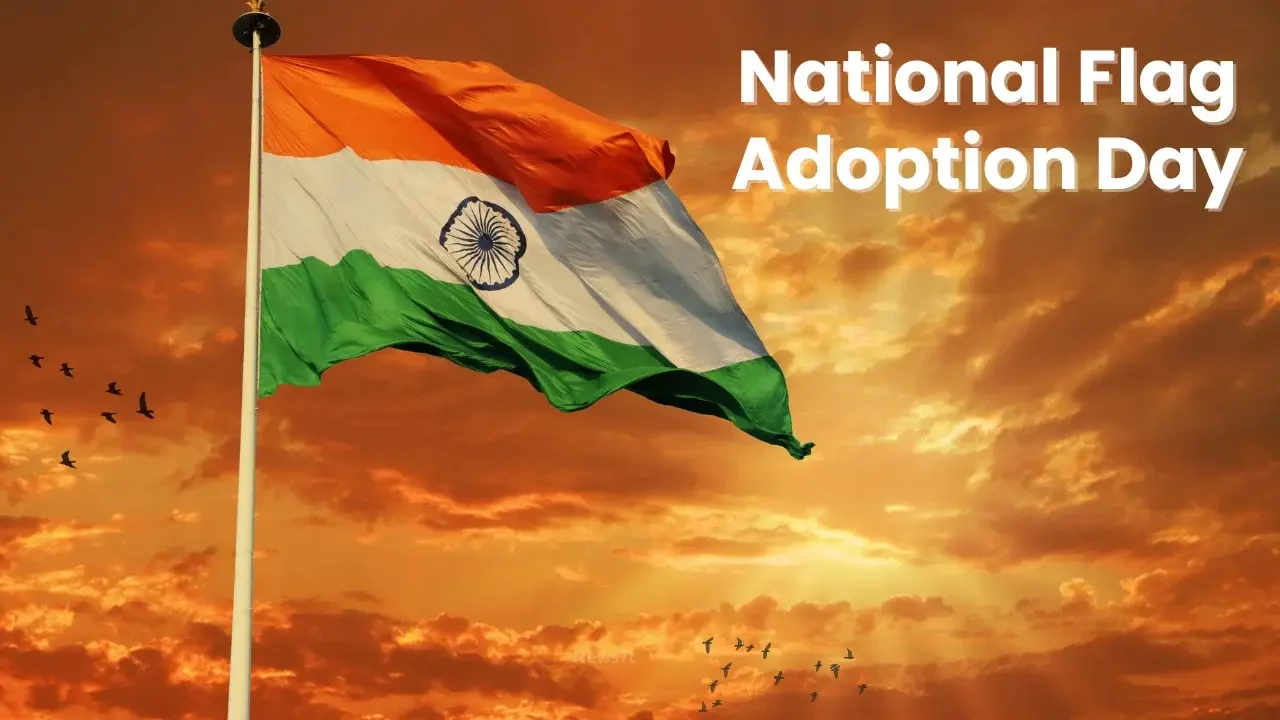
National Flag Adoption Day 2026 is a proud occasion for every Indian, marking the historic adoption of the Indian National Flag by the Constituent Assembly on 22 July 1947, just weeks before India gained independence. The Tricolour is much more than a national symbol—it represents freedom, sacrifice, unity, peace, courage, and the dreams of over a billion citizens. Every year, National Flag Adoption Day reminds us of the journey that led to India’s independence and encourages people to respect and protect the values represented by the Tiranga. In 2026, as India continues its rapid progress in technology, economy, and global leadership, this day carries even greater significance for citizens across the country.
Table of Contents
What Is National Flag Adoption Day?
National Flag Adoption Day is observed every year on 22 July to commemorate the day when India’s Constituent Assembly officially adopted the national flag in 1947. The decision came less than a month before India became independent on 15 August 1947.
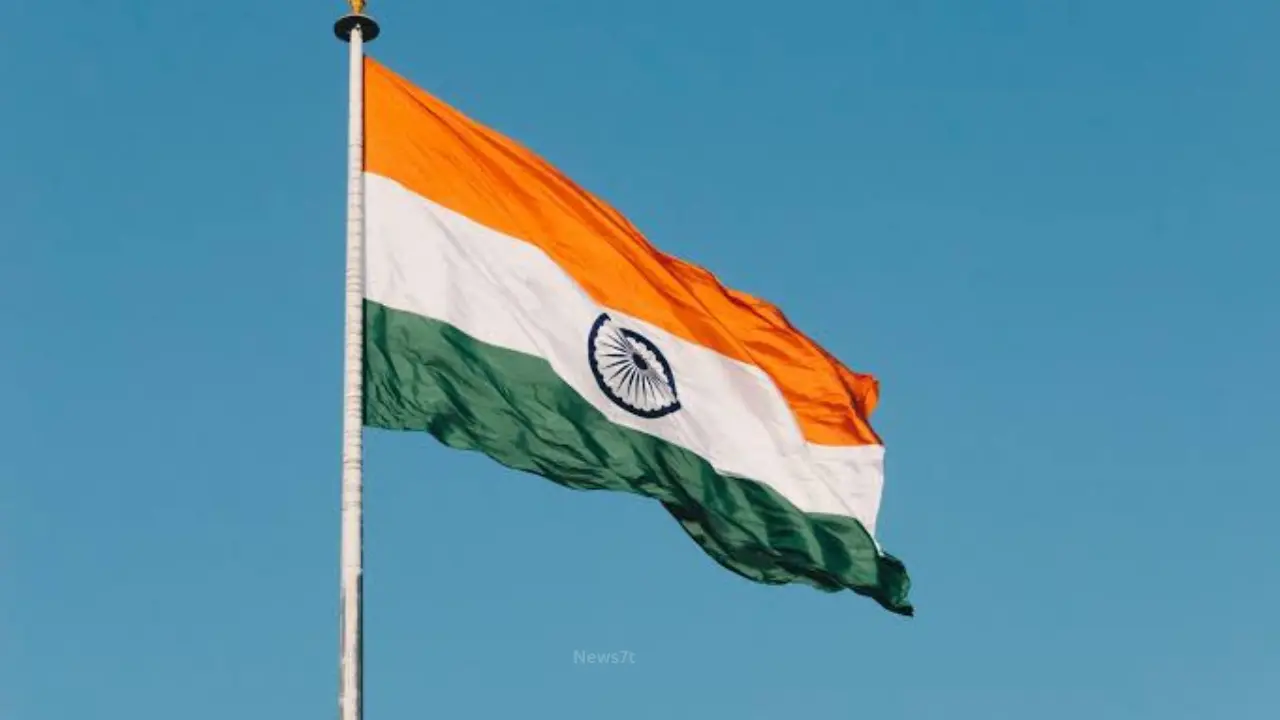
The Indian National Flag, popularly known as the Tiranga, consists of three horizontal stripes—saffron at the top, white in the middle, and green at the bottom—with the navy-blue Ashoka Chakra featuring 24 spokes in the center. This design has become one of the world’s most recognizable national flags and symbolizes the ideals on which modern India stands.
Although National Flag Adoption Day is not a public holiday, it is widely recognized by educational institutions, government offices, cultural organizations, and citizens who take pride in India’s national identity.
History of India’s National Flag
The Indian National Flag did not appear overnight. Its present form evolved over several decades during India’s freedom movement.
Early Flag Designs
Before the final design was adopted, several versions of the Indian flag were proposed. These flags reflected the growing demand for independence and unity among Indians.
One of the earliest known national flags appeared in 1906, followed by other designs introduced in 1907, 1917, and 1921. Each version represented the aspirations of Indians fighting against British colonial rule.
Pingali Venkayya’s Contribution
One of the most important personalities associated with the Indian National Flag is Pingali Venkayya, an Indian freedom fighter, educationist, and designer. In 1921, he presented a flag design to Mahatma Gandhi that later became the foundation of the present Tricolour.
Over time, modifications were made to ensure that the flag represented the entire nation rather than any particular community or political group.
Adoption in 1947
The present design of the Indian National Flag was formally adopted by the Constituent Assembly on 22nd July, 1947.
The spinning wheel (Charkha), which appeared in earlier versions, was replaced with the Ashoka Chakra, inspired by the Lion Capital of Ashoka at Sarnath. This change symbolized justice, righteousness, and continuous progress.
From that historic day onward, the Tricolour became the official flag of independent India.
Why 22 July Is Important
The adoption of the National Flag was one of the final preparations before India achieved independence. The Constituent Assembly wanted a flag that every Indian could proudly salute regardless of religion, language, culture, or region.
The adoption of the Tiranga represented:
- National unity
- Democratic values
- Freedom from colonial rule
- Equality among citizens
- Hope for a better future
Every year, 22 July serves as a reminder that India’s freedom was achieved through immense sacrifice and determination.
Meaning of the Indian Tricolour
Every colour and symbol in the National Flag carries a deep meaning.
Saffron
The saffron band represents courage, sacrifice, strength, and selfless service. It reminds leaders and citizens to work honestly for the nation.
White
The white stripe symbolizes peace, truth, transparency, and harmony. It encourages people to follow the path of honesty and coexistence.
Green
The green colour represents prosperity, agriculture, growth, fertility, and environmental balance. It reflects India’s rich natural heritage and aspirations for sustainable development.
Ashoka Chakra
The navy-blue Ashoka Chakra in the center has 24 spokes. It represents justice, righteousness, continuous movement, and progress. The wheel reminds the nation that growth comes through constant effort and ethical action.
The Role of the National Flag in India’s Freedom Movement
During the struggle for independence, the National Flag became a powerful symbol of resistance against British rule.
Freedom fighters proudly carried the flag during protests, marches, and movements despite facing arrests and violence. The Tricolour united people from different backgrounds under one common goal—an independent India.
The flag was worn by many revolutionaries as a sign of courage and patriotism. It inspired millions to participate in the freedom struggle and strengthened the belief that India would one day become a free nation.
National Flag Adoption Day Celebrations
Across India, National Flag Adoption Day is observed with patriotic enthusiasm.
Schools, colleges, and universities organize:
- Flag awareness programs
- Essay competitions
- Quiz contests
- Speech competitions
- Drawing and painting events
- Cultural performances
- Documentary screenings about India’s freedom movement
Government departments and social organizations also conduct awareness campaigns highlighting the importance of respecting the National Flag.
National Flag and Constitutional Values
The Indian National Flag represents the core values of the Constitution of India.
These include:
- Justice
- Liberty
- Equality
- Fraternity
- Democracy
- Secularism
The Tiranga reminds citizens that these constitutional principles are essential for building a strong and united nation.
Rules Every Citizen Should Know
The Flag Code of India provides guidelines on how the National Flag should be displayed, handled, and respected. These rules help maintain the dignity of the Tiranga while allowing citizens to proudly display it on various occasions.
In 2002, the Government of India revised the Flag Code, allowing citizens to hoist the National Flag on all days, provided it is displayed respectfully. More recently, additional amendments have made it easier for people to participate in national celebrations by flying the Tricolour at homes, offices, schools, and public places.
Some important rules include:
- The flag should always be respected and honored.
- It should never touch the ground or water.
- Flags that are damaged or torn should not be flown.
- Theflag should notbe used as clothing, decoration, or packaging material in a disrespectful manner.
- When the National Flag is flown with other flags, the National Flag shall be in the place of honor.
Understanding these rules helps citizens express patriotism while preserving the honor of India’s most important national symbol.
Har Ghar Tiranga Campaign and Its Impact
In recent years, the Har Ghar Tiranga campaign has significantly increased public awareness about the National Flag. Launched under the Azadi Ka Amrit Mahotsav initiative, the campaign encouraged every household to hoist the Tiranga and celebrate India’s independence.
Millions of people across urban and rural India participated by displaying the National Flag at their homes, offices, schools, and institutions. Social media also played a major role, with citizens proudly sharing photographs and stories related to the Tiranga.
The campaign reinforced emotional bonds with the National Flag, especially for the younger generations who learned more about its history and significance.
Why National Flag Adoption Day 2026 Is More Relevant Than Ever
As India continues to make great strides in technology, infrastructure, defence, digital innovation, education and global diplomacy, National Flag Adoption Day 2026 comes at a time.
The Tiranga now represents not only India’s freedom but also its growing role as a global leader. Whether it is the success of Indian space missions, achievements in sports, economic growth, or humanitarian efforts, the National Flag proudly symbolizes the country’s accomplishments on the world stage.
Celebrating this day reminds citizens that national development depends on unity, responsibility, and active participation in building a stronger India.
The National Flag: A Sign of Unity
India has many languages, variety of cultures, many religions and different traditions. Despite this diversity, the National Flag unites every citizen under one identity.
During national celebrations, international sporting events, military ceremonies, and important government functions, the Tiranga becomes a powerful reminder that every Indian shares a common future.
The Tricolour encourages mutual respect, equality, and harmony among all communities, making it one of the strongest symbols of national integration.
Expert Opinions on the Importance of the National Flag
Historians and constitutional experts believe that the Indian National Flag represents much more than a political symbol.
According to scholars, the Tricolour reflects India’s democratic values, constitutional principles, and commitment to peace. Education experts also emphasize that teaching children about the history of the National Flag helps develop civic responsibility, patriotism, and respect for national institutions.
Many historians consider the adoption of the National Flag one of the most significant milestones before India’s independence because it provided the newly emerging nation with a common identity recognized around the world.
Interesting Facts About the Indian National Flag
Here are some fascinating facts about the Tiranga:
- The National Flag was officially adopted on 22nd July, 1947.
- India became independent on 15 August 1947, just a few weeks later.
- The flag has three equal horizontal stripes.
- The Ashoka Chakra contains 24 spokes.
- The Chakra is inspired by the Lion Capital of Ashoka at Sarnath.
Pingali Venkayya is widely recognized for designing the original version of the National Flag. The Indian National Flag is respected by millions of Indians across the world and proudly represents the country at international events.
Challenges in Preserving Respect for the National Flag
Although awareness has improved, some challenges still remain. On National Flag Adoption Day, it is important to highlight issues such as the improper disposal of damaged flags, incorrect display during events, and the lack of public knowledge about the Flag Code, which can occasionally lead to unintentional disrespect. Experts recommend greater public education, awareness campaigns, and school programs to ensure every citizen understands the importance of handling the National Flag with dignity. National Flag Adoption Day also provides an opportunity for digital media to spread accurate information about the history, significance, and proper respect for the Tiranga.
The Future Significance of National Flag Adoption Day
As India moves toward becoming one of the world’s leading economies, National Flag Adoption Day is expected to gain even greater recognition.
Future celebrations may include:
- Digital awareness campaigns
- National educational programs
- Museum exhibitions
- Interactive history projects
- School competitions
- Cultural festivals
International events highlighting India’s democratic journey These initiatives will help younger generations appreciate the sacrifices made during the freedom movement while strengthening their commitment to national development.
National Flag Adoption Day 2026 is a meaningful reminder of India’s remarkable journey toward independence and nation-building. Observed every year on 22 July, it commemorates the historic decision of the Constituent Assembly to adopt the Tiranga as the National Flag of India. More than just a symbol, the Tricolour reflects the country’s ideals of courage, peace, prosperity, justice, and unity.
National Flag Adoption Day celebrates the remarkable journey of India’s Tricolour, from the contributions of Pingali Venkayya to the adoption of the Ashoka Chakra. The history of the National Flag represents decades of struggle, sacrifice, and hope. National Flag Adoption Day also reminds citizens of the values of unity, freedom, and democracy. Today, initiatives such as Har Ghar Tiranga continue to strengthen citizens’ emotional connection with the flag and inspire pride in India’s democratic values.
As India continues to achieve new milestones in science, technology, education, sports, and global leadership, the Tiranga remains a powerful symbol of national identity. National Flag Adoption Day encourages every citizen to honor the sacrifices of the freedom fighters, respect the Flag Code, and work together toward a brighter, stronger, and more united future. National Flag Adoption Day also serves as a reminder that the Tricolour represents the unity, courage, and democratic values that continue to guide India’s progress.