Guru Nanak Jayanti: Powerful Teachings for a Meaningful Life
Disha8 min read
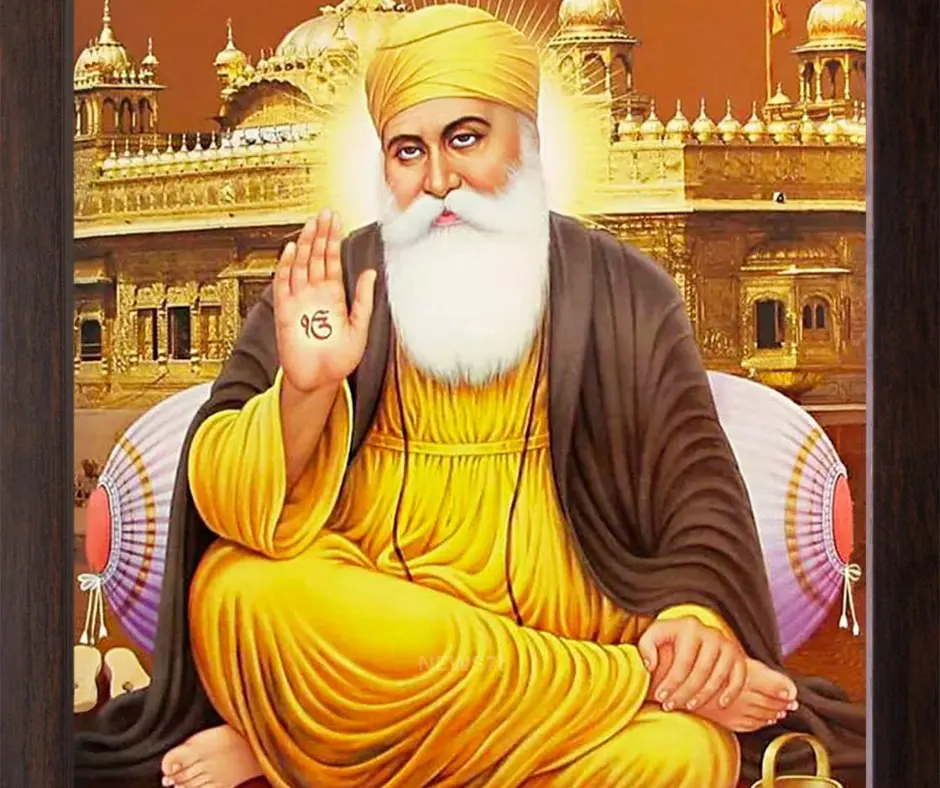
Guru Nanak Jayanti marks the birth anniversary of Guru Nanak Dev Ji (1469-1539), the first of the ten Sikh Gurus and the founder of Sikhism, whose teachings have had a profound spiritual and social impact that transcends time and culture. This extensive content details Guru Nanak Jayanti’s historical background, the life and teachings of Guru Nanak Dev Ji, the festival’s significance, rituals and celebrations, and its continuing relevance in the modern world. It aims to provide a comprehensive, plagiarism-free overview suitable for educational and devotional purposes.
Table of Contents
The Essence of Guru Nanak Jayanti
Guru Nanak Jayanti is not merely a celebration of a birth but the commemoration of the arrival of a spiritual light in the form of Guru Nanak Dev Ji. His life and teachings form the foundation of Sikhism, a faith that preaches the oneness of God, equality among all humans, social justice, and selfless service. Celebrated during the full moon day of the Kartik month (usually October-November), the festival is marked by a series of rituals, devotional singing, communal meals, and processions, uniting millions in joyous remembrance and reflection on Guru Nanak’s timeless message
Birth and Early Years
Guru Nanak Dev Ji was born in 1469 CE in Rai Bhoi Ki Talwandi (present-day Nankana Sahib, Pakistan) into a Hindu Khatri family. His father, Mehta Kalu, was a revenue official, and his mother, Mata Tripta, was known for her kindness and spirituality. From his earliest days, Guru Nanak exhibited a deep interest in spiritual matters, questioning prevalent societal norms such as caste discrimination, meaningless rituals, and religious divisions.
Miraculous accounts of his birth abound in Sikh tradition; it is said that divine light radiated from the newborn, heralding a new era of spiritual awakening. By his youth, Guru Nanak had begun to preach the unity of God and the equality of all humans, emphasizing that religious labels were secondary to true devotion and ethical conduct.
Spiritual Awakening and Travels (Udasis)
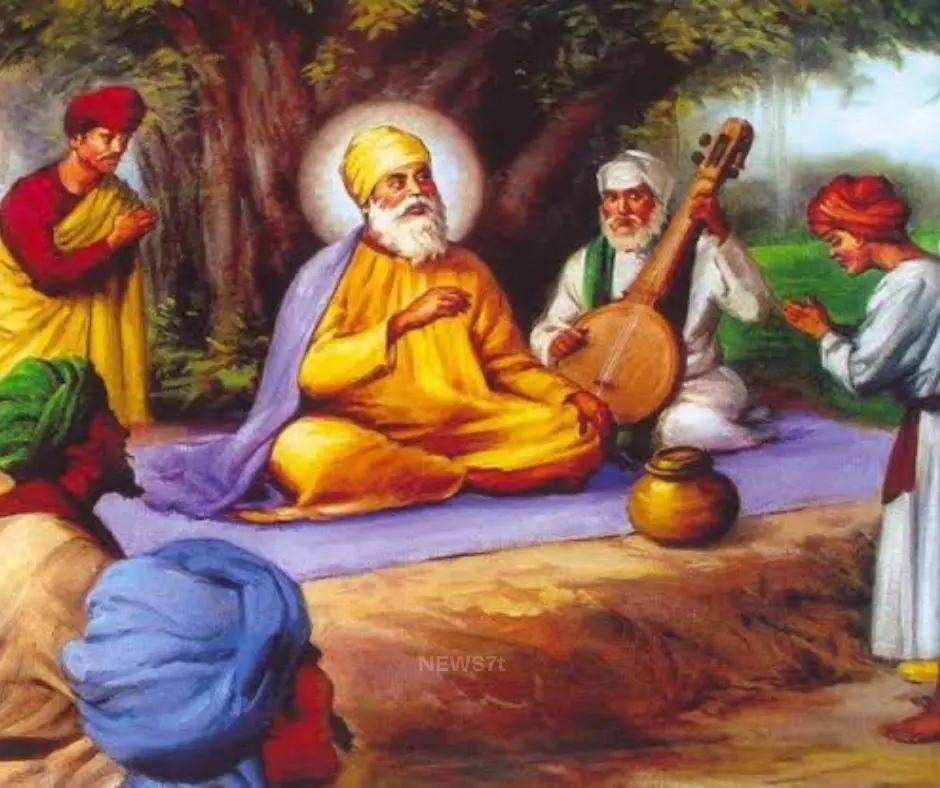
Around the age of 28, Guru Nanak experienced a profound spiritual awakening during a moment of divine revelation. After being lost for three days in a river during a bath, he emerged with the declaration: “There is no Hindu, there is no Muslim,” emphasizing the transcendence of artificial human categories. This pivotal event initiated his mission to spread a message of universal love, equality, and spiritual awakening.
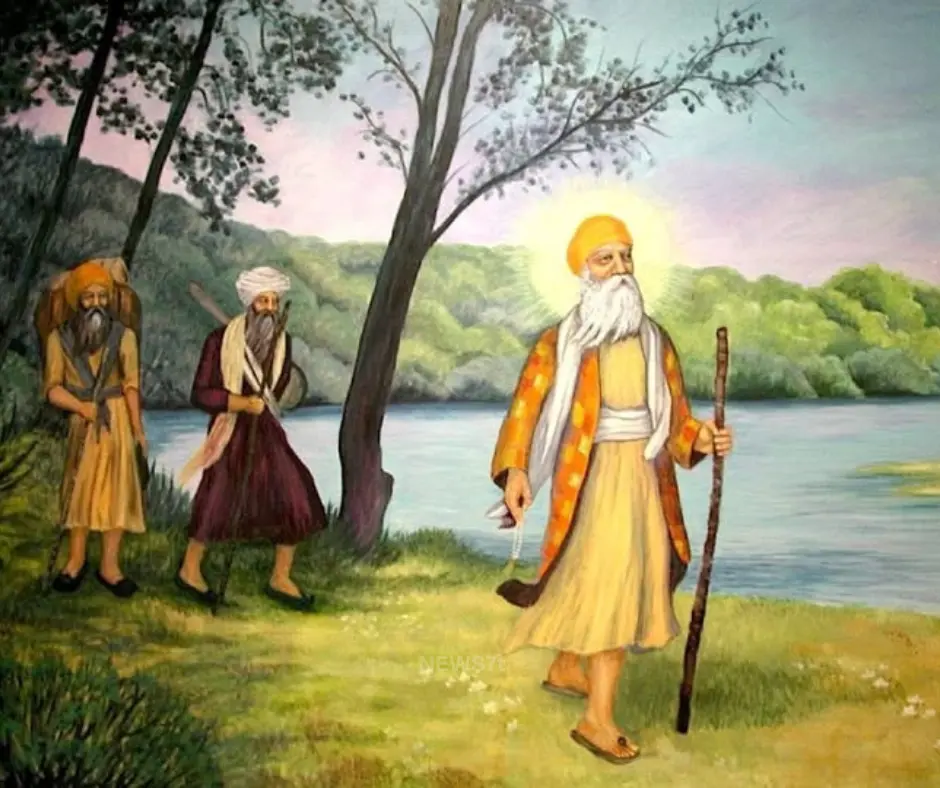
Guru Nanak embarked on extensive travels across the Indian subcontinent and beyond, covering regions now in modern India, Pakistan, Bangladesh, Tibet, Sri Lanka, Arabia, and Central Asia. Known as Udasis, these journeys were undertaken on foot and camelback, involving dialogues with people from diverse backgrounds including Hindus, Muslims, Buddhists, and others. His teachings stressed the unity of humankind, devotion to one God, humility, compassion, and social justice.
Establishing the Sikh Community
In his later years, Guru Nanak settled in Kartarpur (modern-day Pakistan), where he founded the first Sikh commune. This community was built on the teachings of equality, selfless service, and collective worship. It was here that the institution of Langar (community kitchen) was formalized—a tradition where anyone could eat free of charge, irrespective of caste, creed, or social status. Guru Nanak’s compositions and hymns eventually formed the basis of the Sikh scripture, the Guru Granth Sahib, compiled by his successors. He passed away in 1539 CE, leaving behind a spiritual legacy continued by the nine successive Sikh Gurus.
Core Teachings and Philosophy
Guru Nanak’s teachings are encompassed in a few foundational principles that guide Sikh spirituality and ethics.
- Ik Onkar — One God: Guru Nanak emphasized belief in one all-pervading, formless God who is the creator, sustainer, and destroyer of all existence. He taught that God resides within every being and that recognizing this divinity is key to spiritual enlightenment.
- Equality and Brotherhood: Guru Nanak vehemently opposed caste distinctions, gender inequality, and religious exclusivism. His message was that all humans are equal regardless of social status, religion, or gender.
- Naam Japna (Remembrance of God): Meditation and constant remembrance of God’s name lead believers to spiritual realization and inner peace.
- Kirat Karo (Honest Living): Earning an honest livelihood by one’s own efforts without exploitation is essential to spiritual growth.
- Vand Chhakko (Sharing and Service): Sharing one’s wealth and resources with the needy and practicing selfless service (Seva) to human beings is vital for social harmony and personal virtue.
Guru Nanak also warned against the five vices—lust, anger, greed, attachment, and ego—which obstruct spiritual progress. Freedom from these vices leads to Mukti (liberation).
Historical and Cultural Significance of Guru Nanak Jayanti
Guru Nanak Jayanti commemorates the birth of a figure who revolutionized the religious and social landscape of 15th-century India and laid groundwork for a distinct monotheistic faith rooted in ethical living and communal harmony. While rooted in Sikh tradition, the festival’s values resonate beyond religion and ethnicity, focusing on universal human dignity and spiritual awakening.
The day is celebrated on Kartik Purnima, the full moon day of the Kartik month, which often falls in October or November in the Gregorian calendar. This timing aligns the festival with the autumn harvest and a broader tradition of light festivals symbolizing spiritual illumination.
Rituals, Customs, and Celebrations
Preparatory Practices
The festival preparations begin with Akhand Path, a continuous 48-hour reading of the Guru Granth Sahib in gurudwaras. Devotees gather to recite verses and immerse themselves in Guru Nanak’s spiritual wisdom. Early-morning processions called Prabhat Pheris occur, where groups sing hymns as they walk through neighborhoods spreading the spiritual message. Gurudwaras and surrounding areas are adorned with colorful lights, flowers, and flags, creating a vibrant festive atmosphere.
Main Day Celebrations
The highlight is the Nagar Kirtan, a ceremonial procession where the holy Guru Granth Sahib is carried in a beautifully decorated palanquin, accompanied by chanting, singing, Gatka (Sikh martial arts demonstration), and devotional music. The procession is led by the Panj Pyare (the Five Beloved Ones), symbolizing courage, sacrifice, and devotion.
The day’s worship includes hymns (kirtan), scriptural explanations, and communal prayers. The exact birth time of Guru Nanak (traditionally early morning around 1:20 a.m.) is particularly revered with special prayers.
The Heart of Guru Nanak Jayanti
Langar is the free community kitchen serving wholesome vegetarian meals to all visitors. This practice, rooted in Guru Nanak’s vision of equality and compassion, ensures that no one goes hungry and that all social distinctions dissolve when sharing food together. Traditional foods served include Karah Prasad (a sweet wheat flour pudding), lentils, rice dishes like khichdi, flatbreads such as makki ki roti, and seasonal vegetables prepared en masse by volunteers. Langar epitomizes the festival’s core messages of selflessness, equality, and service.
Music and Hymns (Kirtan)
An important spiritual component of the festival is kirtan, which is the devotional singing of songs from the Guru Granth Sahib. Performed in classical musical patterns known as ragas, kirtan creates an ambience conducive to meditation and spiritual elevation. It connects devotees emotionally and intellectually to Guru Nanak’s teachings, strengthening communal bonds and individual faith.
Global Observance and Community Impact
Guru Nanak Jayanti is celebrated by Sikh communities worldwide—in countries such as Canada, the United Kingdom, the United States, Australia, Malaysia, and beyond. These international observances include prayer services in gurudwaras, public processions, cultural exhibitions, lectures on Guru Nanak’s life, and charitable activities.
The festival thus serves both a religious and cultural purpose, preserving Sikh identity and promoting interfaith understanding in diverse societies.
Educational, Charitable, and Social Actions
Beyond ritual observance, Guru Nanak Jayanti inspires numerous educational and social initiatives. Talks, seminars, and exhibitions educate the public about Sikh history and philosophy. Many Sikh organizations emphasize charitable work including donations, food distribution, blood donation camps, and environmental awareness actions during the festival period.
This aligns closely with Guru Nanak’s vision of practical spirituality—serving humanity as service to God.
Continuing Relevance of Guru Nanak’s Teachings Today
Guru Nanak’s messages hold enduring importance in addressing many contemporary challenges:
- Fight Against Inequality: His call for equality and rejection of caste and gender discrimination continues to inspire social movements worldwide.
- Promotion of Harmony and Peace: In a world rife with conflict, Guru Nanak’s interfaith dialogue and unity teachings provide a model for coexistence.
- Advocation for Ethical and Honest Living: In today’s complex world, this teaching offers profound guidance for balancing work, ethics, and spirituality.
- Encouraging Environmental Respect: Growing awareness of ecological issues resonates with Guru Nanak’s emphasis on living in harmony with creation.
His teachings challenge individuals to develop compassion, humility, and self-awareness—qualities necessary for personal growth and societal well-being.
How Non-Sikhs Can Participate Respectfully
Anyone interested can honor Guru Nanak Jayanti by:
- Attending or visiting a gurudwara to experience prayers and community spirit.
- Participating in or volunteering for langar service.
- Reflecting on and practicing Guru Nanak’s core principles: Naam Japna (meditation), Kirat Karo (honest work), and Vand Chhakko (sharing).
- Promoting values of equality, peace, and justice in personal and public life.
- The festival invites all to embrace its universal themes, transcending religious boundaries.

The Luminescence of Guru Nanak’s Legacy
Guru Nanak Jayanti is much more than a festival; it is a celebration of a timeless vision rooted in spiritual truth, equality, service, and universal brotherhood. The sacred occasion of Guru Nanak Jayanti invites us to transcend divisions, live honestly, serve selflessly, and remember the One Creator in all beings. As gurudwaras glow with lights, hymns echo in the air, processions fill streets, and countless hands serve langar meals, the spirit of Guru Nanak’s teachings comes alive in vibrant communal harmony during Guru Nanak Jayanti celebrations. On this auspicious occasion of Guru Nanak Jayanti, may we all seek to embody Guru Nanak Dev Ji’s ideals in our lives—fostering a more just, compassionate, and united world.
Waheguru Ji Ka Khalsa! Waheguru Ji Ki Fateh!
“Sat Nam” – Truth is the Name