
UPI Merchant Fee Controversy: Break the Burden and Unlock the Powerful Future of Digital Payments
Disha8 min read
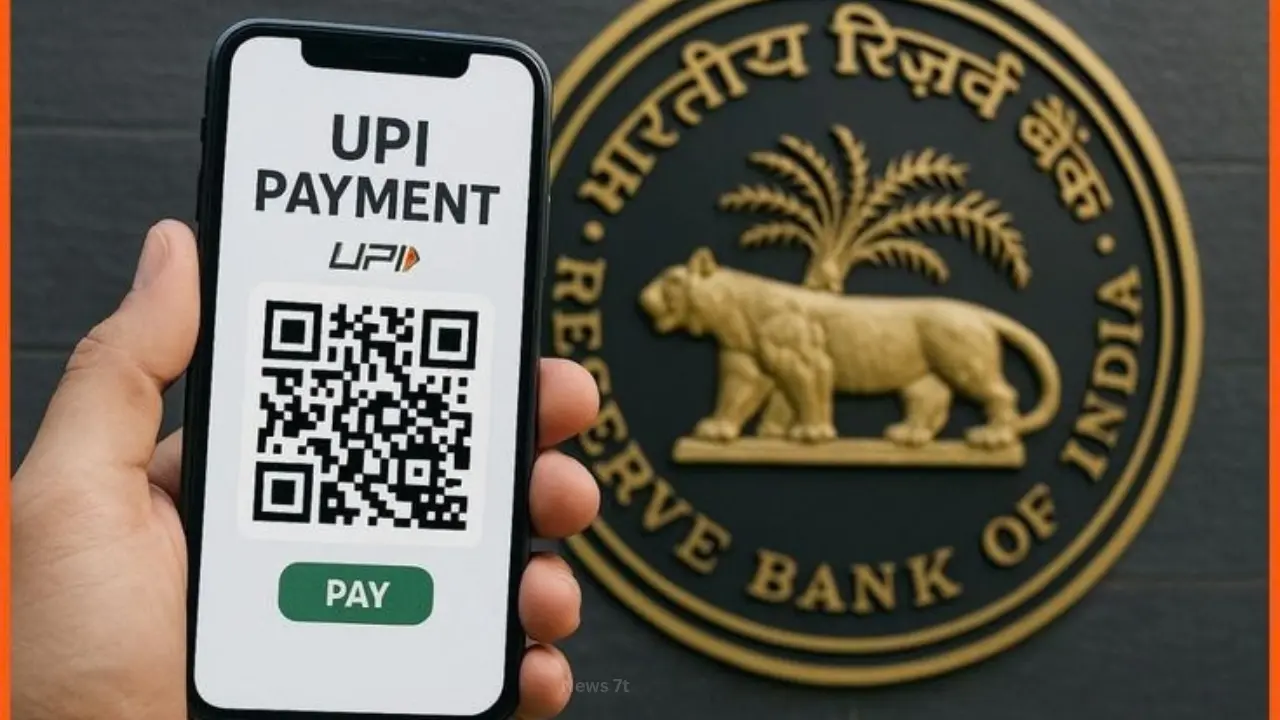
UPI Merchant Fee Controversy has emerged as a major discussion around India’s digital payment ecosystem. UPI has transformed everyday payments by allowing customers to pay shops, restaurants, service providers, and other businesses instantly through their smartphones. However, the proposed merchant charges have created concerns among retailers and traders.
According to the details being discussed, the UPI Merchant Fee Controversy involves a reported 0.4% Merchant Discount Rate (MDR) on Person-to-Merchant (P2M) UPI transactions above ₹2,000. The proposal has attracted criticism from retailer bodies, traders’ associations, and opposition leaders.

Table of Contents
Why the UPI Merchant Fee Controversy Matters
The UPI Merchant Fee Controversy is particularly important for small retailers. Local shops often operate with limited profit margins and already manage expenses such as rent, salaries, inventory, GST, electricity, and transportation.
Retailer organisations, including the Retailers Association of India (RAI) and other traders’ groups, have raised concerns that additional payment charges could increase the financial burden on merchants.
The UPI Merchant Fee Controversy has therefore become a wider debate about the cost of digital payments and the future of cashless transactions.
Proposed MDR Charge Explained
At the centre of the UPI Merchant Fee Controversy is the reported 0.4% MDR on eligible P2M transactions above ₹2,000.
Aspect Key Details
- Main Issue UPI Merchant Fee Controversy over reported 0.4% MDR
- Transaction Threshold P2M transactions above ₹2,000
- Reported Exemption Small merchants with receipts up to ₹1 lakh/month
- Retailers’ Concern Additional business costs
- Customer Impact No direct fee described for ordinary P2P payments
The UPI Merchant Fee Controversy does not necessarily mean that every UPI user would have to pay a direct fee. The discussion is focused mainly on merchant-side charges for qualifying transactions.
Small Retailers Raise Concerns
The UPI Merchant Fee Controversy has become a significant concern for small businesses because they frequently depend on digital payments. A neighbourhood grocery store, clothing shop, restaurant, salon, or service provider may receive numerous UPI payments throughout the day. Even when an individual charge is relatively small, merchants are concerned that repeated transaction costs could accumulate over time.
Retailers argue that their margins are already under pressure. According to their concerns, another payment-related expense could make digital transactions less attractive. The UPI Merchant Fee Controversy has consequently led some traders to discuss the possibility of encouraging customers to use cash for certain transactions.
Could Cash Payments Increase?
One of the major concerns surrounding the UPI Merchant Fee Controversy is a possible shift back towards cash. Some trader groups have warned that if accepting UPI becomes more expensive, businesses could encourage customers to pay in cash. Cash transactions do not involve the same digital payment processing structure, although they also create challenges related to handling, security, accounting, and depositing money.
The UPI Merchant Fee Controversy therefore raises questions about whether additional digital payment costs could influence merchant behaviour. If more businesses begin preferring cash, the change could also affect customers who have become accustomed to the convenience of scanning a QR code and completing payments within seconds.
Reported Exemption for Small Merchants
Another important part of the UPI Merchant Fee Controversy is the reported exemption for smaller merchants. According to the information provided, merchants with receipts of up to ₹1 lakh per month would remain exempt from the proposed charge. The government-side argument described in the discussion is that a large majority of small merchants would therefore remain outside the impact of the proposed MDR.
The figure cited is around 96% of small merchants. However, retailer organisations continue to raise concerns about the overall policy. This difference between the government-side position and the concerns of trader groups is one reason the UPI Merchant Fee Controversy remains in public discussion.
Retailer Bodies Oppose the Charges
The UPI Merchant Fee Controversy has received strong attention from retailer and trader organisations. Retailers argue that UPI has become an essential part of modern commerce. Customers increasingly expect businesses to provide digital payment options, and merchants have invested in QR codes and payment systems to meet that demand.
From the retailers’ perspective, introducing an MDR could make a widely used payment method more expensive to operate. Trader organisations have therefore called for reconsideration of the proposed charges and have expressed concerns about their possible effect on small businesses.
Opposition Leaders Enter the Debate
The UPI Merchant Fee Controversy has also become part of the political debate. Opposition leaders have criticised the proposed merchant charges and accused the government of placing an additional burden on digital transactions. Some have described the issue as effectively taxing India’s digital payment system.
These statements represent political criticism of the proposed policy, while the underlying policy question concerns how merchant payment costs should be structured. The UPI Merchant Fee Controversy has consequently moved beyond the retail sector and become part of a broader discussion about India’s digital economy.
Impact on Digital India
The UPI Merchant Fee Controversy is closely connected with India’s digital transformation. UPI has helped make electronic payments accessible to consumers and businesses of different sizes. A customer does not necessarily need cash to purchase everyday products or services.
For businesses, digital payments can reduce the need to manage physical cash and can provide electronic transaction records. Traders concerned about the proposed charges argue that a shift back towards cash could weaken some of these advantages. The UPI Merchant Fee Controversy therefore raises a larger question: how can India maintain the convenience of digital payments while ensuring that merchants can accept them at sustainable costs?
Digital Payment Infrastructure
The UPI Merchant Fee Controversy also highlights the cost of maintaining digital payment infrastructure. UPI payments involve banks, payment service providers, technology systems, authentication processes, cybersecurity infrastructure, and other components. As digital payment volumes grow, maintaining and improving this infrastructure requires resources.
At the same time, merchants want payment acceptance to remain affordable. The UPI Merchant Fee Controversy reflects this balance between infrastructure sustainability and merchant affordability.
Customer Perspective
For consumers, the UPI Merchant Fee Controversy is important because UPI has become part of everyday life. People use UPI for grocery shopping, restaurant bills, online purchases, transportation, utility payments, and many other transactions. Under the details provided, ordinary person-to-person payments remain free, while the proposed discussion focuses on qualifying merchant transactions.

Therefore, the UPI Merchant Fee Controversy should not automatically be interpreted as a direct fee on every UPI payment made by consumers. However, customers could experience indirect effects if merchants change their payment preferences or business practices.
Festive Season Concerns
The UPI Merchant Fee Controversy has also generated concern among traders ahead of the festive season. Festive periods can bring higher consumer spending and increased transaction volumes for many retailers. Businesses may therefore pay particular attention to any additional cost associated with processing payments.
Retailers want predictable and affordable payment systems during periods when transaction activity can rise. The timing has made the UPI Merchant Fee Controversy especially relevant for traders preparing for increased customer demand.
UPI and India’s Formal Economy
The UPI Merchant Fee Controversy also raises questions about formalisation. Digital transactions create electronic records and can make it easier for businesses and customers to move away from cash-based payments. Trader organisations have argued that encouraging cash over digital payments could potentially work against wider formalisation efforts.
At the same time, policymakers and payment-industry participants must consider how the digital payment ecosystem can remain financially sustainable. The UPI Merchant Fee Controversy therefore connects payment policy with broader economic questions.
Legal Petitions and Future Developments
The UPI Merchant Fee Controversy may also develop through legal and regulatory channels. The information provided indicates that legal petitions related to the issue have begun reaching courts. The outcome of any such proceedings would depend on the specific petitions, applicable rules, and decisions of the relevant authorities or courts.
For merchants and consumers, the most important developments will include any changes to the proposed MDR, eligibility for exemptions, transaction thresholds, and implementation rules. The UPI Merchant Fee Controversy could therefore continue to receive attention as stakeholders respond to further announcements.
What Merchants Want
Retailers involved in the UPI Merchant Fee Controversy are seeking a payment environment that does not place additional pressure on small businesses. Their concerns focus on transaction costs, profit margins, cash usage, and the long-term effect of merchant fees.
Some trader organisations have called for the proposed charges to be withdrawn or reconsidered. Their position is that UPI should remain affordable for businesses that have adopted digital payments as an important part of their daily operations.
What the Debate Means for the Future
The UPI Merchant Fee Controversy shows that India’s digital payment success also creates new policy challenges. UPI has expanded rapidly and become an important part of India’s commerce ecosystem. As usage increases, questions about who should bear payment-processing costs become increasingly significant.
For merchants, affordability matters. For payment providers, infrastructure sustainability matters. For consumers, convenience and accessibility matter. The UPI Merchant Fee Controversy brings these different interests together.
The UPI Merchant Fee Controversy has created a significant debate involving small retailers, traders’ associations, payment stakeholders, policymakers, opposition leaders, and consumers. The reported proposal of a 0.4% MDR on qualifying P2M transactions above ₹2,000, along with the reported ₹1 lakh monthly receipt exemption for smaller merchants, is at the centre of the discussion.

Retailer bodies have expressed concern that additional charges could increase business costs and potentially encourage some merchants to prefer cash. Opposition leaders have also criticised the proposed charges, while the government-side position described in the supplied information is that most small merchants would remain exempt.
The UPI Merchant Fee Controversy ultimately raises an important policy question about balancing affordable merchant payments with the long-term sustainability of India’s digital payment infrastructure. As the debatecontinues, official rules, legal developments, merchant responses, and implementation details will determine how the proposed system affects businesses and consumers. The UPI Merchant Fee Controversy is therefore likely to remain an important topic in discussions about the future of India’s digital economy.