Air Pollution in Delhi: A Battle for Breath
Disha8 min read
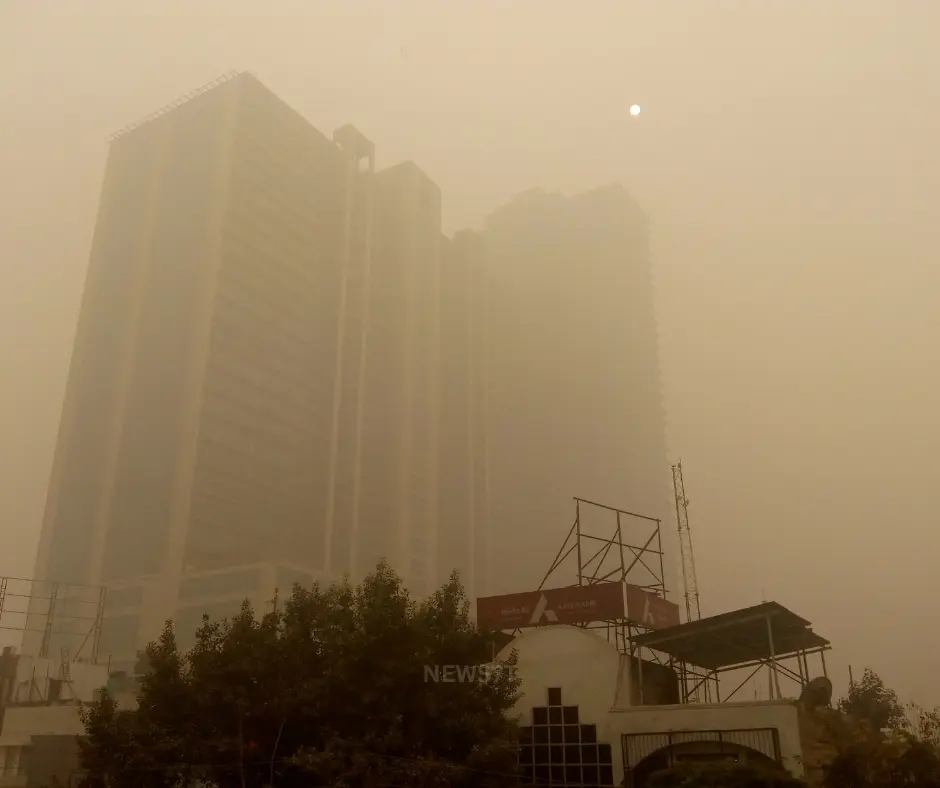
Air pollution in the national capital of India, Delhi, has become a chronic and escalating crisis. Year after year, as the seasons change and temperatures drop, the city’s skies fill with haze and smog, forcing millions of residents to confront serious health, social, and economic consequences. In this blog post, we will explore the scale of Delhi’s air pollution problem, its major causes, the impact on public health and daily life, the measures taken by authorities, and what individuals and communities can do to contribute to a cleaner and healthier future.
Table of Contents
How Bad Is Delhi’s Air Pollution?
Air-quality metrics
The city’s air quality index (AQI) frequently climbs into the “Poor”, “Very Poor” and even “Severe” categories. For example, a recent report noted the AQI at 259, with some areas (e.g., Anand Vihar) reaching 412 (“severe”).
On another occasion, readings breached 450, entering the “Severe +” category.
A key pollutant is PM₂.₅ (particulate matter of diameter 2.5 microns or less). In the first half of 2025, Delhi’s average PM₂.₅ concentration was about 87 µg/m³, far exceeding the World Health Organization (WHO) guideline of 5 µg/m³ (or more realistically the interim target of 15 µg/m³) and India’s own national ambient air quality standard.
Seasonal spikes and geography
Pollution spikes are particularly acute during the winter months between October and February. Two key reasons: cooler conditions, low wind speeds and temperature inversion layers trap pollutants near the surface; and neighbouring agricultural states engage in large-scale stubble-burning, adding to the particulate load.
Institute for Environmental Research
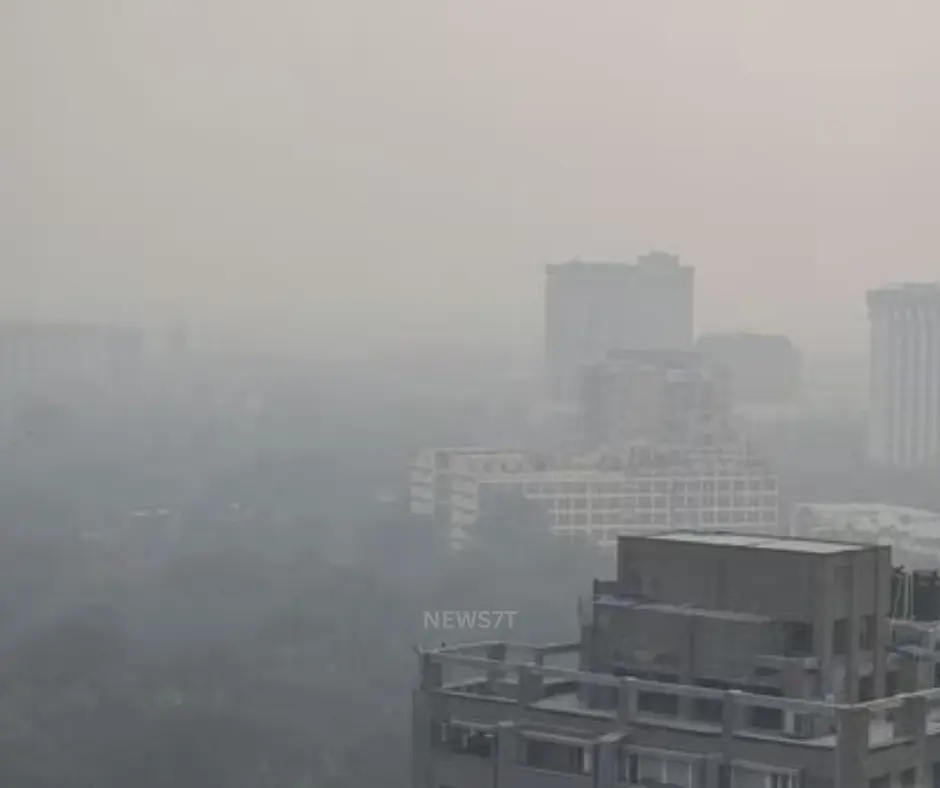
A news report described how the city “awoke to a thick layer of toxic haze on Tuesday, … marking the beginning of the pollution season.”
Impact on life expectancy
One alarming metric: according to a recent 2024 study, residents of Delhi stand to lose on average 11.9 years of life expectancy if current pollution levels persist. Even by India’s national standards they may lose ~8.5 years.
what drives the pollution?
The factors contributing to Delhi’s air pollution are multiple, interconnected, and often overlapping. Below are some of the major ones:
Vehicular emissions
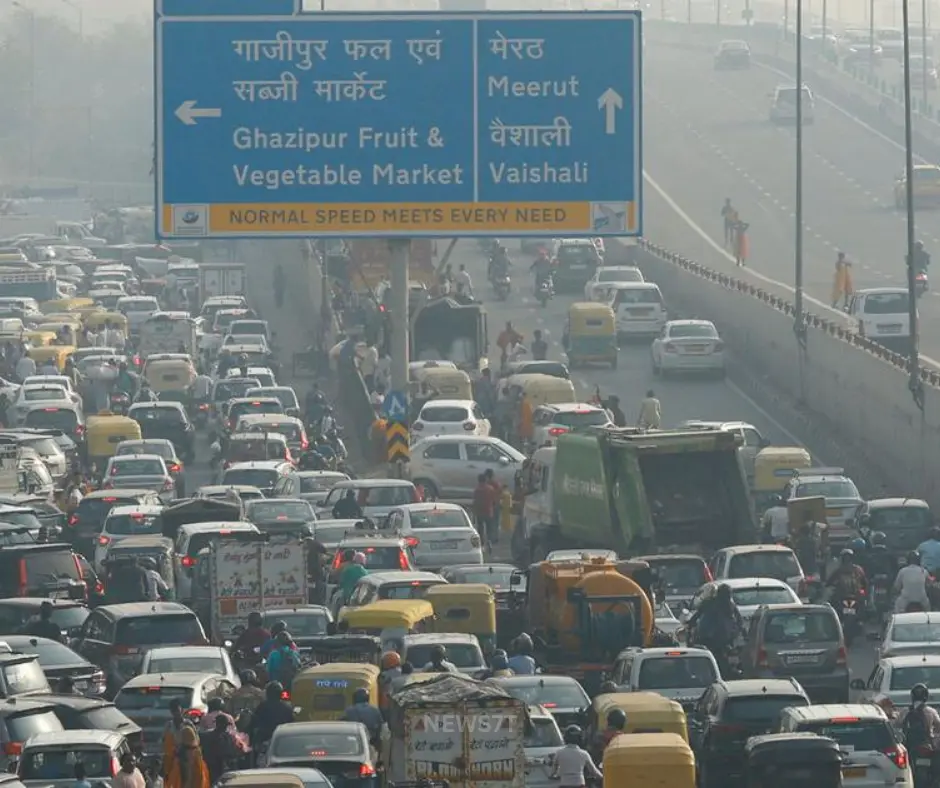
With dozens of millions of vehicles in Delhi and the adjacent region, traffic and transport are major sources of NOₓ, CO₂, PM, and other pollutants. Congestion, older vehicles, and diesel engines all exacerbate the problem.
Industrial emissions & power generation
Industries, brick-kilns, power plants and manufacturing units in and around the national capital region contribute significantly to PM, SO₂, NO₂ and other harmful emissions. Many use outdated technologies and lack strong enforcement of pollution controls.
Stubble / crop-residue burning in neighbouring states
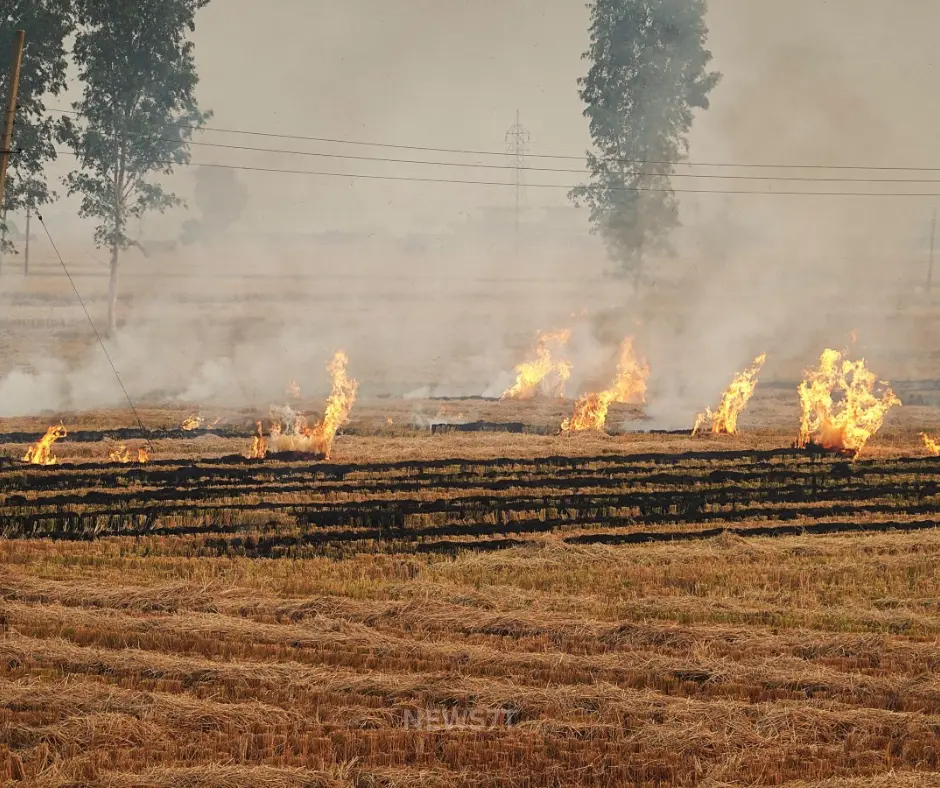
One of the most infamous seasonal contributors: after the harvest, farmers in Punjab, Haryana and Uttar Pradesh burn crop stubble, and the resulting smoke is carried by winds into Delhi, sharply raising PM₂.₅ levels. It is estimated that stubble burning contributes ~35% of PM₂.₅ during peak periods.
Construction dust, road dust and open areas
Rapid urbanisation means massive construction activity: demolition, dust, unpaved roads, debris. Road-dust and suspended particulate matter from construction are major contributors. Some reports estimate road/dust sources account for about 38% of PM₂.₅ in Delhi.
Household and waste‐burning emissions
In lower-income areas, biomass/solid-fuel use for cooking/heating contributes to pollution. Open burning of garbage, plastic, waste materials also adds toxic pollutants.
Geography, meteorology and seasonal effects
Delhi’s location in the northern plains, relatively enclosed geography (“bowl-shaped”), and seasonal weather patterns (cold winters, slow winds) make it difficult for pollutants to disperse. Temperature inversions trap pollutants which would otherwise rise and mix out.
Event-based spikes
Festivals (e.g., Diwali) when firecrackers are used, and construction continues, can produce short-term spikes in pollution. While they may not always be the largest annual contributor, they worsen the situation.
Regulatory gaps
Even when policies exist, enforcement can lag. Examples: only a few thermal power plants near Delhi have working flue-gas desulphurisation (FGD) units despite court orders.
the problem is multi-source, seasonally amplified, and systemically embedded in both local and regional activities.
Health, social & economic impacts
Health consequences
The health effects of chronic poor air quality are severe: respiratory diseases (asthma, bronchitis), cardiovascular diseases, strokes, lowered lung function in children, and increased mortality. The earlier-mentioned life-expectancy reduction (11.9 years) underscores how serious the impact is.
In addition to chronic impacts, acute episodes of “severe” air quality force school closures, limit outdoor activities, and push vulnerable populations (elderly, children, those with pre-existing conditions) into health crises.
Social impacts
Poor air quality reduces quality of life: people avoid going out, outdoor play for children gets restricted, tourism is impacted, visibility drops (affecting driving, flights) and the sense of living in a “smoke-chamber” undermines morale.
There is also inequity: wealthier residents may cope by installing air purifiers or leaving the city, but poorer citizens have fewer options and often suffer more.
Economic costs
Health-care costs rise; productivity drops when people are unwell or unable to work outdoors; tourism and hospitality take hits; visibility and smog affect transport (delays, flights cancelled). The bigger, more systemic cost is the cumulative effect of losing years of healthy life and the reduced potential of a generation.
Environmental / climate links
Air pollution also interacts with climate change: many pollutants (black carbon, PM) have warming effects; and the atmospheric chemistry in polluted air affects ozone formation and other pollutants. While Delhi’s major concern is local human-health, the links to global environmental quality cannot be ignored.
Efforts to Control Air Pollution in Delhi
Key measures & initiatives
- The Graded Response Action Plan (GRAP) is a tiered set of pollution-control measures triggered when AQI crosses certain thresholds (e.g., banning construction, restricting trucks, shutting schools).
- The National Clean Air Programme (NCAP) sets targets for cities (including Delhi) to reduce particulate pollution by 20-30% by 2024 (later revised) and invests funds to implement air-quality management measures.
- The local government in Delhi is pushing for electric-vehicle (EV) adoption, increasing EV charging infrastructure, controlling pollution-under-control (PUC) certificates for vehicles coming from other states, and improving monitoring.
- Seasonal bans and curbs on fire-crackers, harsher controls on construction when pollution is high, deployment of water-sprinklers, anti-smog guns, etc.
Effectiveness and limitations
- While some improvements have been noted (e.g., PM10 levels dropped ~15% in Delhi from 2017-18 to 2024-25) the city still remains among the worst–polluted in India.
- Funding utilisation under NCAP has been weak (Delhi reportedly used only ~22.5% of funds allocated).
- Many measures are reactive (triggered when pollution is high) rather than preventive. Seasonal phenomena like stubble burning are only addressed partially.
- Regional coordination is a challenge: Delhi’s air-shed is influenced by neighbouring states (Punjab, Haryana, Uttar Pradesh) but the mechanisms to enforce agricultural residue burning bans and cross-state pollution controls remain weakest.
- Some technologically heavy tasks (for example installing FGDs in all nearby power plants) have been delayed.
- Behaviour change (public transport usage, waste-burning habits, vehicle emission habits) takes time and political will.
New steps
Recent news: Delhi authorities implemented a cloud-seeding trial to trigger artificial rainfall to wash pollutants from the atmosphere. While still experimental and controversial, it highlights the urgency of the crisis.
What residents and communities can do
While systemic change is essential, individual and community actions matter. Here are some practical steps:
- Monitor air quality: Use apps or websites to check AQI levels; avoid outdoor strenuous activity when AQI is “Poor” or worse.
- Use masks / indoor air purifiers: Especially on high-pollution days, use N95/KN95 masks outdoors; keep indoor air cleaner (ventilate when outside air is cleaner, use plants, purifiers if possible).
- Switch to cleaner transport options: Use public transport, carpool, walk/cycle when possible; maintain your vehicle; avoid older high-emission vehicles.
- Avoid burning waste: Never burn leaves, plastics, garbage. Encourage community cleanliness and proper waste disposal.
- Advocate for green behaviour: Support tree-planting initiatives, rooftop gardens, green roofs; pressure local government for dust control in construction sites.
- Support and engage in awareness: Participate in community efforts to pressure for stubble-burning alternatives, waste management reforms, demand accountability for polluters.
- Create indoor safe spaces: On very poor air-quality days, stay indoors, use air purifiers, seal windows/doors when indoor air becomes better than outdoor.
- Choose cleaner fuels: If you have any option between fuels (for cooking/heating) go for least-polluting choices.
- Engage children’s schools: Ask schools to monitor air quality, schedule outdoor activities when safer, and educate students about pollution and health.
These small steps contribute, and collectively they signal to policymakers and industries that citizens expect change.
What needs to change for a cleaner Delhi
Regional cooperation & enforcement
Because many pollution sources are outside the city (agricultural burning in neighbouring states, wind-transported dust, industries in NCR belt), solutions must be regional. Joint enforcement mechanisms, incentives for alternative stubble-use (rather than burning), regional dust-control, coordinated transport policies are essential.
Technology & infrastructure upgrade
- Industries and power plants must ensure emissions controls (FGD, filter systems) are fully operational.
- Construction sites must adopt dust-mitigation practices (covering debris, water-sprinkling, enclosed operations).
- Road-dust control (regular cleaning, paving, tree-barriers) needs increased investment.
- Expanding EV infrastructure, cleaner public-transport fleets, real-time emissions monitoring.
Behaviour change & public transport shift
The shift from private vehicles to public transport, non-motorised transport (cycling, walking) needs to gain momentum. Urban planning should reduce congestion, provide efficient mass transit, discourage older/dirty vehicles. Public awareness campaigns and incentives will help.
Seasonal preparedness
Because pollution spikes seasonally, the city (and region) needs a proactive “pollution-season preparedness” plan: pre-emptive measures before winter sets in, dust control, pre-event bans on heavy vehicles, stricter alerts and public advisories.
Green urban planning
More green cover (trees, parks), better city design to promote air-flow, buffer zones between industrial areas and residential zones, improved waste-management, and reduction of open-burning.
Adequate funding & accountability
Better utilisation of allocated funds (such as under NCAP), transparent tracking of outcomes, independent monitoring of pollution sources, citizen participation in oversight.
Monitoring & data transparency
Real-time, high-granularity pollution monitoring across the city and region; public dashboards; linking data to policy triggers; open access to data for researchers and citizens to strengthen accountability.
Delhi’s air-pollution crisis is emblematic of a deeply layered challenge: a confluence of urbanisation, industrialisation, transport growth, seasonal agricultural practices, meteorology and regulatory inertia. The consequences—on health, economy and quality of life—are severe and long-term.
However, the situation is not hopeless. We already have many of the tools: regulations, monitoring, technology, public awareness. What is required now is scale, consistency, regional coordination, and political will. For residents, being informed and proactive helps. For policymakers, treating clean air as a fundamental right (as the Supreme Court of India has hinted) means raising the urgency.
If Delhi can chart a path to cleaner air, it will not only improve lives for millions but serve as a model for rapidly urbanising cities globally. The journey ahead will be difficult—but the cost of doing nothing is far greater.