
Microplastics in Clothes 2026 : Is Your Favorite Outfit Secretly Poisoning the Planet? Discover Powerful Ways to Protect It
Disha14 min read
Microplastics in clothes have become an important environmental concern as modern fashion increasingly depends on synthetic fabrics. Polyester, nylon, acrylic and other man-made fibers are popular because they are affordable, durable and easy to maintain. However, these materials can release extremely small plastic fibers during washing, wearing and drying. Many of these particles can eventually enter wastewater and reach rivers, lakes and oceans. The problem is difficult to notice because the fibers are usually invisible to the naked eye. Your favorite jacket, workout leggings or soft fleece may look harmless, but repeated washing can contribute to plastic pollution. Understanding this hidden source of pollution can help consumers make more informed choices about clothing, washing habits and sustainable fashion.
What Exactly Are Microplastics?
Microplastics are tiny plastic particles generally smaller than five millimeters. Some are intentionally manufactured at very small sizes, while others are created when larger plastic products break down. In the case of clothing, the main concern is often tiny synthetic textile fibers released from fabrics. These fibers can be too small to see and may travel through wastewater systems. Because plastic does not easily biodegrade, microplastics can persist in the environment for long periods.
They may be transported by water and accumulate in different ecosystems. Scientists are studying their presence in oceans, freshwater environments, soil and even the atmosphere. Although research is still developing, the widespread distribution of microplastics has made them an important subject in environmental science and pollution discussions.
Table of Contents
Which Clothes Release the Most Microplastics?
Not every garment releases plastic fibers in the same way. Microplastics in clothes are commonly associated with synthetic fabrics such as polyester, acrylic, nylon and polyamide, which can shed tiny fibers during washing and everyday use. Fleece garments can be particularly noticeable because their brushed surfaces may release more fibers during washing. The amount of Microplastics in clothes released can vary depending on fabric quality, construction, age and washing conditions. Understanding these differences can help consumers make more informed clothing choices and take practical steps to reduce the release of Microplastics in clothes into the environment.
Sportswear and inexpensive fast-fashion clothing can also contain significant amounts of synthetic material. Microplastics in clothes can be released as tiny fibers during washing, especially when garments are made from polyester, nylon or other synthetic fabrics. The amount of shedding depends on several factors, including fabric construction, garment age, washing conditions and finishing processes. Some tightly woven synthetic fabrics may shed fewer fibers than loosely constructed materials. Understanding how Microplastics in clothes are released can help consumers make smarter choices when buying and caring for clothing. By choosing durable fabrics and using gentler washing methods, people can potentially reduce the release of Microplastics in clothes into wastewater and the environment.
Blended fabrics can also behave differently. It is therefore difficult to say that one specific garment is always the worst. However, choosing clothing made with more durable fabrics and reducing unnecessary washing can help lower microfiber release.
How Do Synthetic Clothes Release Plastic Fibers?
Synthetic clothing can release tiny fibers when it experiences mechanical friction. During a washing cycle, garments rub against one another while water and detergent move through the fabric. This physical action can loosen small fibers from the textile surface. Drying, repeated wearing and even everyday movement can contribute to fiber loss as well.
Some fibers are carried away with wastewater when clothes are washed. Others may become trapped in lint filters or household dust. The exact amount released depends on fabric type, garment construction and washing conditions. New garments may behave differently from older ones because manufacturing residues and loose fibers can be removed during early washes. Researchers continue to investigate how textile design can reduce fiber shedding.
Why Washing Clothes Can Become an Environmental Issue
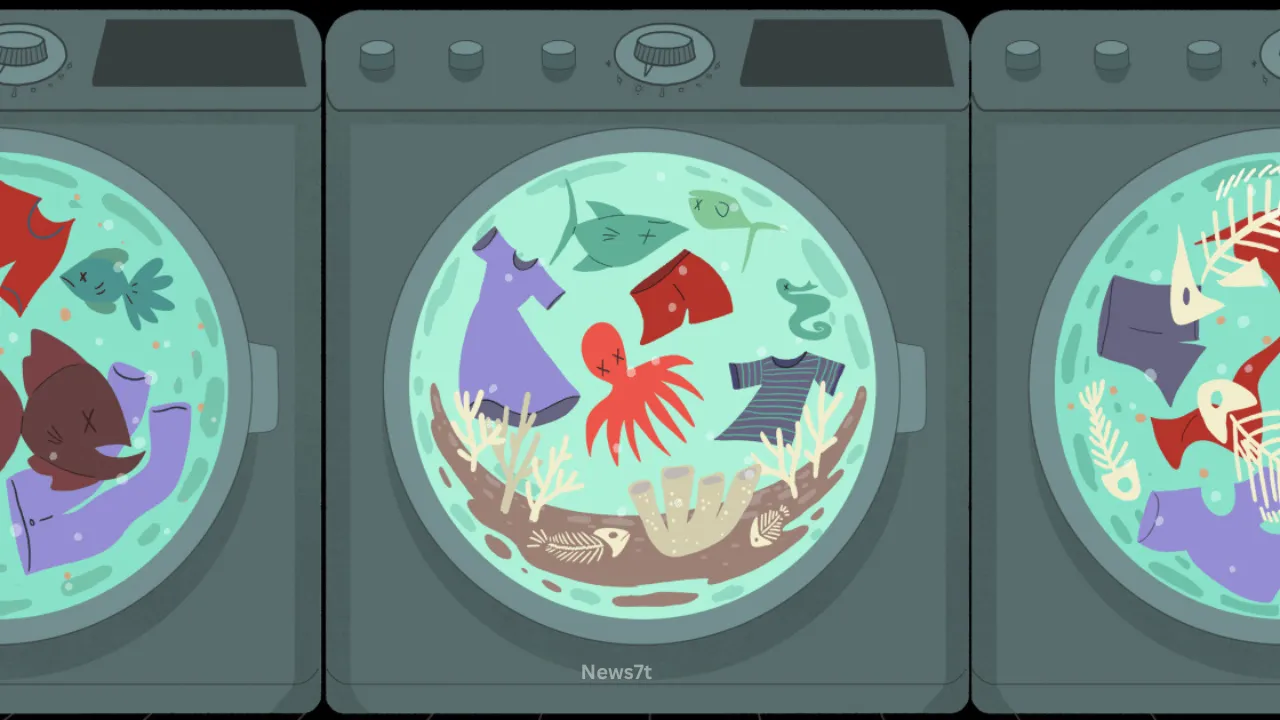
Washing clothes is essential for hygiene, but frequent washing of synthetic garments can have an environmental cost. Every wash can create friction that releases textile fibers. Wastewater treatment plants are capable of removing a large proportion of many particles, but they may not capture every microscopic fiber. Some fibers can remain in treated wastewater and enter natural waterways. Others can accumulate in sewage sludge, which may later be applied to agricultural land in some regions.
This creates another possible pathway for Microplastics in clothes to enter the environment. Washing garments at lower temperatures and following care instructions can help extend their life and may reduce unnecessary environmental impacts. Since Microplastics in clothes can be released during repeated washing, using gentle cycles and avoiding unnecessary washes may help reduce microfiber shedding. The bigger lesson is simple: washing clothing less frequently when appropriate can reduce both resource consumption and the release of Microplastics in clothes into wastewater and the environment.
Can Microplastics Reach Rivers and Oceans?
Yes, textile microfibers can potentially travel through wastewater systems into aquatic environments. After clothes are washed, wastewater flows through drainage systems toward treatment facilities.
Although treatment processes can remove many particles, some very small fibers may remain. Once released into rivers or coastal waters, these particles can become part of the wider plastic pollution problem. Ocean currents may transport tiny particles across considerable distances.
Microplastics have been detected in numerous aquatic environments around the world, demonstrating how widespread plastic pollution has become. Textile fibers are only one source among many, alongside tire wear, packaging and other plastic products. Nevertheless, reducing fiber release from clothing is one practical area where households, manufacturers and policymakers can work together.
What Happens to Microfibers in Marine Ecosystems?
Once textile fibers reach aquatic environments, they can interact with organisms and sediments. Small aquatic animals may encounter or ingest particles while feeding. The effects can vary depending on the organism, particle characteristics and environmental conditions. Researchers are investigating whether microfibers can cause physical stress, influence feeding behavior or transport other substances. However, scientists are still working to understand the full ecological consequences.
It is important not to exaggerate the available evidence, because the health effects of Microplastics in clothes and environmental microplastics remain an active area of research. What is already clear is that plastic particles are persistent and widely distributed. Microplastics in clothes can contribute to microfiber pollution when synthetic garments shed tiny fibers during washing and everyday use. Preventing unnecessary microfiber pollution is therefore considered a sensible environmental goal, even while scientific research continues to examine the long-term impacts of Microplastics in clothes and other sources of plastic particles.
Are Microplastics in Clothes Dangerous to Human Health?
The potential effects of microplastics on human health are being actively studied. People can potentially encounter tiny plastic particles through food, water and air, while textile fibers may also contribute to indoor exposure. Researchers have detected microplastics in various human samples, but discovering particles in the body does not automatically prove that they cause a specific disease. Scientists are investigating possible relationships with inflammation, chemical exposure and other biological effects.
At present, many questions remain unanswered about dose, particle type and long-term health consequences. Therefore, it is better to view microplastic pollution as a developing scientific concern rather than claim that ordinary clothing directly causes poisoning. Continued research is necessary to understand the actual level of risk.
Fast Fashion and the Microplastic Problem
The rise of fast fashion has changed how people buy and use clothing. New collections appear frequently, prices can be low, and consumers may purchase garments that are worn only a few times. Synthetic fibers are widely used because they can provide affordability, flexibility, softness and durability. However, producing large quantities of inexpensive clothing can increase resource use and waste. Microplastics in clothes are another environmental concern because synthetic garments may release tiny plastic fibers during washing and everyday use. By choosing durable clothing and using garments for longer, consumers can help reduce textile waste and potentially limit the environmental impact of Microplastics in clothes.
When synthetic garments are washed, worn and eventually discarded, they can contribute to Microplastics in clothes pollution throughout their life cycle. Fabrics such as polyester, nylon and acrylic may release tiny plastic fibers through repeated washing and everyday wear. Microplastics in clothes can therefore become an environmental concern when large quantities of synthetic clothing are produced and frequently replaced. Fast fashion also encourages rapid replacement rather than long-term use, which can increase textile waste and the overall environmental impact associated with Microplastics in clothes.
Choosing fewer, better-made garments and wearing them for longer can reduce environmental pressure. Sustainable fashion is not only about buying “green” products; it is also about changing consumption habits.
Why Polyester Is So Common in Modern Fashion
Polyester is one of the most widely used synthetic fibers in the clothing industry. It is popular because it is lightweight, relatively strong, resistant to wrinkles and capable of drying quickly. These qualities make polyester useful for sportswear, everyday clothing, jackets and many other products. However, polyester is a plastic-based material, and textile fibers can shed during use and laundering.
Its popularity means that even small amounts of fiber loss from individual garments can become significant when considered across millions of households. Polyester is not automatically an environmentally harmful choice in every situation, because durability and long garment life also matter.
The environmental impact depends on the entire life cycle, including production, use, washing, durability and end-of-life management.
Acrylic Clothing and Fiber Shedding
Acrylic is another synthetic textile commonly used to create warm and wool-like garments. Sweaters, scarves, blankets and winter accessories may contain acrylic fibers because the material can be lightweight and relatively inexpensive. However, acrylic textiles can release small fibers during washing and everyday use. Studies have examined acrylic as a potential contributor to microfiber pollution, particularly because loose fibers can enter wastewater.
Consumers can reduce unnecessary shedding by washing acrylic garments carefully, avoiding excessive washing and following garment-care instructions. Using laundry bags or filtration systems designed to capture textile fibers may also help where appropriate. Ultimately, the issue is larger than one fabric.
Reducing dependence on disposable fashion and extending garment life can help address the broader environmental consequences of synthetic textile consumption. Taking practical steps to reduce Microplastics in clothes, such as washing garments only when necessary and choosing durable fabrics, can also help minimize microfiber pollution. By keeping clothes in use for longer and avoiding unnecessary purchases, consumers can reduce waste and support a more sustainable approach to fashion.
Can Washing Machines Make the Problem Worse?
Washing machines are not themselves the root cause of microfiber pollution, but washing conditions can influence how many fibers are released. Strong mechanical action, long cycles and frequent washing can increase friction between garments. Overloading a machine may also change how clothing moves through the drum. Different fabrics respond differently to washing conditions, so there is no single setting that eliminates microfiber shedding completely.
Using appropriate cycles, avoiding unnecessary washing and following care labels can help protect garments and potentially reduce fiber loss. Some washing machines and external filtration devices are also being developed to capture textile fibers. As technology improves, household appliances could play a greater role in reducing microfiber emissions from laundry.
Simple Ways to Reduce Microplastics From Your Clothes
Consumers can take several practical steps to reduce microfiber release. First, avoid washing clothes simply because they have been worn once when they are still clean and suitable for another use. Wash garments according to their care requirements and choose gentler cycles when appropriate. Keeping synthetic clothes in good condition can also reduce the need for frequent replacement. Laundry bags designed to capture fibers may provide another useful option, although they should be used and cleaned correctly.
External washing-machine filters can potentially capture additional fibers before wastewater leaves the household. Buying durable clothing and repairing garments instead of immediately replacing them can also reduce environmental pressure. These small changes become more meaningful when adopted by large numbers of consumers.
Choosing Natural Fabrics: Is It Always Better?
Natural fabrics such as cotton, linen, hemp and wool are often presented as alternatives to synthetic textiles. They do not release plastic fibers in the same way synthetic materials do, but that does not automatically make every natural fabric environmentally superior. Cotton production, for example, can require significant amounts of land and water, while wool has its own environmental considerations. Processing, transportation, dyeing and washing also influence a garment’s overall footprint.
Some synthetic fabrics may last longer and require less frequent washing, which can provide environmental advantages in certain circumstances. However, Microplastics in clothes can still be a consideration when evaluating the overall impact of synthetic textiles. The best approach is therefore not simply to replace every synthetic garment with a natural one. Instead, consumers should consider durability, frequency of use, production methods and the total life cycle of clothing, while also taking steps to reduce Microplastics in clothes through careful washing and longer garment use.
Does Recycled Polyester Solve the Microplastic Problem?
Recycled polyester can reduce demand for some new plastic raw materials by turning existing plastic waste into textile fibers. This can be useful from a resource-efficiency perspective, especially when recycled materials come from appropriate waste streams. However, recycled polyester remains a synthetic plastic fiber. It can still shed microfibers during washing and use. Therefore, recycled content should not be viewed as a complete solution to textile pollution.
A more sustainable strategy combines recycled materials with durable product design, responsible manufacturing, longer garment use and better fiber-capture technologies. Consumers should also be careful about marketing claims and look for meaningful information about materials and production. Recycling can be part of the solution, but it does not eliminate the microfiber issue.
The Role of Clothing Brands in Reducing Microfibers
Fashion companies have an important role in addressing microplastics in clothes because they control many aspects of textile design and manufacturing. Brands can research fabrics that shed fewer fibers, improve yarn construction and test garments before they reach consumers. They can also provide clear care instructions that encourage responsible washing. Manufacturing processes can be redesigned to minimize loose fibers, while wastewater management can help capture pollution before it reaches natural environments.
Transparency is equally important. Consumers need reliable information rather than vague environmental claims, especially when it comes to Microplastics in clothes and microfiber shedding. Governments and industry organizations can also establish testing standards to measure how much Microplastics in clothes are released consistently across different fabrics and washing conditions. When companies invest in better textile technology and responsible production, they can reduce the environmental impacts associated with Microplastics in clothes across millions of garments rather than relying only on individual consumers. Greater transparency and better standards can therefore play an important role in addressing Microplastics in clothes pollution.
What Can Governments Do About Textile Microplastics?
Governments can support solutions through research, regulation and industry standards. One important step is establishing consistent methods for measuring microfiber shedding from clothing. Without reliable testing standards, comparing different fabrics and products can be difficult.
Policymakers can also encourage washing-machine manufacturers to develop effective filtration technologies. Textile producers may eventually face requirements related to fiber release, product durability or environmental reporting. Public awareness campaigns can help consumers understand how laundry habits affect pollution.
International cooperation may also be necessary because textile production and consumption operate across global supply chains. Effective policy should balance environmental protection with affordability and practicality. Instead of placing the entire responsibility on households, governments, manufacturers and retailers can work together to reduce microfiber pollution at multiple stages.
How Consumers Can Build a More Sustainable Wardrobe
Creating a sustainable wardrobe does not require throwing away every synthetic garment already owned. In fact, replacing usable clothing unnecessarily can create additional environmental impacts. A better approach is to keep clothes in use for as long as possible. Before buying something new, consider whether it is genuinely needed and whether it will be worn regularly. Choose durable garments that fit well and can work with multiple outfits. Repairing small damages can extend clothing life significantly.
When washing synthetic fabrics, use appropriate settings and avoid unnecessary laundering. Taking these simple steps can help reduce Microplastics in clothes and limit the release of synthetic fibers into wastewater. At the end of a garment’s useful life, consider responsible reuse, donation or recycling options where available. Sustainable fashion is ultimately about buying thoughtfully, caring for clothing and reducing unnecessary consumption. By making these choices, consumers can also help minimize the environmental impact of Microplastics in clothes and support more responsible clothing habits.
The Future of Microplastic-Free Fashion
The fashion industry is beginning to explore technologies that could reduce microfiber pollution. Researchers are studying new textile structures, improved finishing techniques and fabrics designed to shed fewer fibers.
Washing-machine manufacturers are also investigating filtration systems capable of capturing tiny textile particles. Better testing standards could help consumers identify products with lower shedding rates. At the same time, advances in textile recycling may improve how old clothing is handled at the end of its life.
The future of fashion will likely involve a combination of better materials, smarter manufacturing, improved laundry technology and more responsible consumer behavior. A completely microplastic-free textile system may be difficult to achieve, but reducing unnecessary fiber release is a realistic and valuable environmental objective.
Final Verdict: Is Your Favorite Outfit Poisoning the Planet?
Microplastics in clothes are a genuine environmental concern, but the situation is more complicated than saying that your favorite outfit is “poisoning” the planet. Synthetic garments can release tiny plastic fibers during washing and everyday use, contributing to the wider problem of plastic pollution. However, clothing is only one source of microplastics, and research is still developing regarding the exact ecological and human-health consequences.
The good news is that consumers can make practical changes without abandoning their entire wardrobe. Wash clothes thoughtfully, avoid unnecessary purchases, choose durable garments and keep clothing in use for longer. Brands and governments also have a major responsibility to develop better materials, filtration systems and standards. Small actions, combined with industry-wide changes, can make fashion more sustainable for the future
The question “Are your favorite clothes poisoning the planet?” may sound dramatic, but it highlights a real and growing environmental challenge. Synthetic clothing can release microscopic plastic fibers that may enter wastewater and eventually reach natural ecosystems. While scientists continue to investigate the long-term consequences, reducing unnecessary microfiber pollution is a sensible step toward a cleaner environment.
Consumers can contribute by washing clothes less frequently when appropriate, choosing durable garments, repairing damaged clothing and supporting responsible fashion practices. At the same time, manufacturers need to design textiles that shed fewer fibers and invest in effective filtration and recycling solutions. The future of fashion does not have to be about buying more—it can be about choosing better, wearing longer and caring smarter.