World Food Day: Uncover the Powerful Truth About Global Hunger and Build a Hunger-Free Future
disha4 min read
World Food Day is an important international observance that highlights the importance of food security, healthy diets, sustainable agriculture, and the fight against hunger. It serves as a powerful reminder that having access to safe, nutritious, and sufficient food is a basic human right. While many enjoy a variety of meals every single day, millions of people worldwide struggle just to get one decent meal to survive.
World Food Day brings together governments, agricultural communities, businesses, non-profit organizations, and individuals to build a future where no one goes to bed hungry. Beyond raising awareness about hunger, it focuses on critical issues like food waste, rural poverty, climate impact, and agricultural sustainability.
What Is World Food Day?
World Food Day is an international movement dedicated to highlighting global hunger, malnutrition, sustainable farming, and equitable food distribution. It emphasizes that everyone deserves nutritious food, regardless of their financial status, geography, gender, or social background.
The day also honors the dedicated efforts of farmers, food producers, fishers, and supply chain workers who ensure food reaches our tables every day. Through educational programs, community campaigns, and public discussions, World Food Day inspires practical solutions for a better global food system.
History of World Food Day
World Food Day was created to mark the establishment of the Food and Agriculture Organization of the United Nations (FAO) on October 16, 1945.
1979: Dr. Pál Romány (former Hungarian Minister) proposed the idea of a global observance during the 20th FAO General Conference.
1981: The first official World Food Day was celebrated worldwide.
Today: It has grown into one of the most recognized UN observances, celebrated in over 150 countries.
Over the decades, the campaign has highlighted key themes such as climate-resilient farming, water management, rural development, and food security.
When Is World Food Day Celebrated?
World Food Day takes place every year on October 16.
In 2026, World Food Day falls on Friday, October 16.
Schools, colleges, government bodies, and social organizations observe this date by holding:
Awareness rallies and webinars
Food distribution and donation drives
Student competitions (essays, posters, debates)
Agricultural exhibitions showcasing eco-friendly farming practices
Why Is World Food Day Important?
Despite the continuous improvement in food production techniques, hunger continues to be a major global issue, caused by factors such as poverty, war, natural disasters, inflation and climate change world Food Day reminds us thatWorld Food Day highlights that producing enough food isn't the only solution—food must also be:
Affordable: Accessible to low-income families.
Safe & Nutritious: Free from contamination and rich in essential nutrients.
Equitably Distributed: Available to isolated and rural communities.
It acts as a reminder that small personal actions—like minimizing waste, buying local produce, and sharing food—collectively make a big impact.
The Role of Healthy Nutrition (Indian Context)
A well-balanced diet fuels physical energy, mental clarity, and immune strength. Malnutrition during childhood can cause long-term growth stunting and health vulnerabilities.
In India, affordable and traditional food items provide complete daily nutrition when combined properly:
Grains & Pulses: Dal, Rice, Whole Wheat Roti, Ragi, Bajra, Jowar (Millets).
Produce: Seasonal local vegetables, leafy greens, and native fruits.
Dairy & Proteins: Curd, Paneer, Milk, and Nuts.
Healthy eating doesn't require expensive, imported superfoods—locally sourced, seasonal food is often the healthiest choice.
Tackling Food Waste: A Global Priority
Food loss and waste occur across all stages—from farm harvests to home kitchens.
Why Food Waste Matters:
Resource Loss: Wasting food wastes the land, water, fuel, and human effort used to grow it.
Environmental Damage: Decomposing food in landfills releases methane, a greenhouse gas driving climate change.
How to Reduce Waste at Home:
Meal Planning: Make shopping lists to avoid impulse buys.
Smart Storage: Store perishable items correctly to extend shelf life.
Creative Leftovers: Transform extra meals safely into new dishes.
Portion Control: Serve manageable portions to prevent plate waste.
Climate Change & Sustainable Agriculture
Extreme weather events—such as unexpected droughts, unseasonal rainfall, and floods—severely disrupt farming yields and livestock safety.
Sustainable Agriculture offers long-term solutions by:
Using efficient drip irrigation and rainwater harvesting.
Practicing crop rotation and soil enrichment.
Reducing chemical pesticides through integrated pest management.
Adopting climate-resilient crop varieties (e.g., drought-tolerant millets).
World Food Day in Educational Institutions
Schools and colleges play a critical role in teaching the next generation about food conservation and empathy.
Popular Campus Activities:
Poster-making and slogan writing contests.
Setting up campus organic vegetable patches or micro-gardens.
Conducting food donation drives for local shelters.
Holding interactive workshops on balanced nutrition and zero-waste cooking.
Original World Food Day Slogans
Respect the farm, value every meal, and help the hungry heal.
Save today's food to secure tomorrow's health.
A world without hunger begins with zero waste on your plate.
A world without hunger begins with zero waste on your plate.
Nutritious food is a right, not a privilege.
Support local farmers, protect nature, and share what you can.
World Food Day is a global call to action. It reminds us that solving hunger is a shared responsibility—requiring commitment from international policy leaders, local communities, and every individual household.
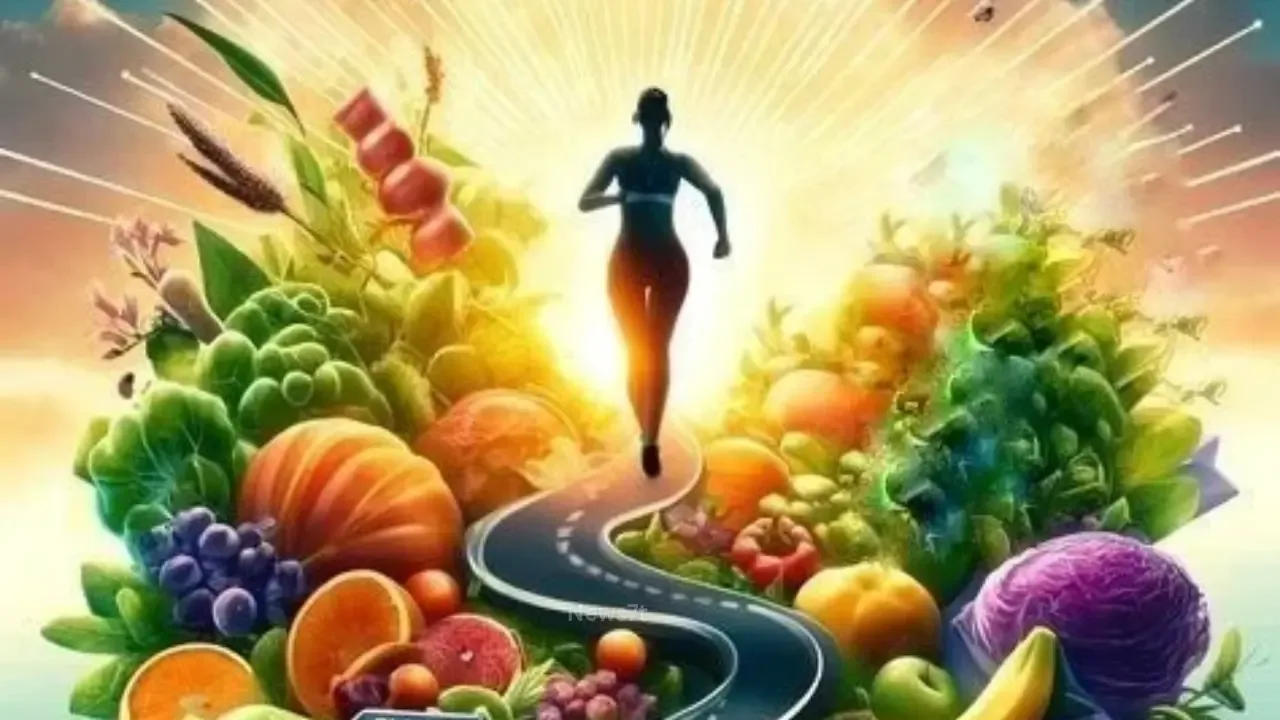
By making conscious decisions—reducing food waste, eating locally produced seasonal foods, supporting sustainable farming, and helping those in need—we can contribute toward a healthy, resilient, and hunger-free world.