
Lucknow murder case Blue Drum: What Happened?
Disha9 min read
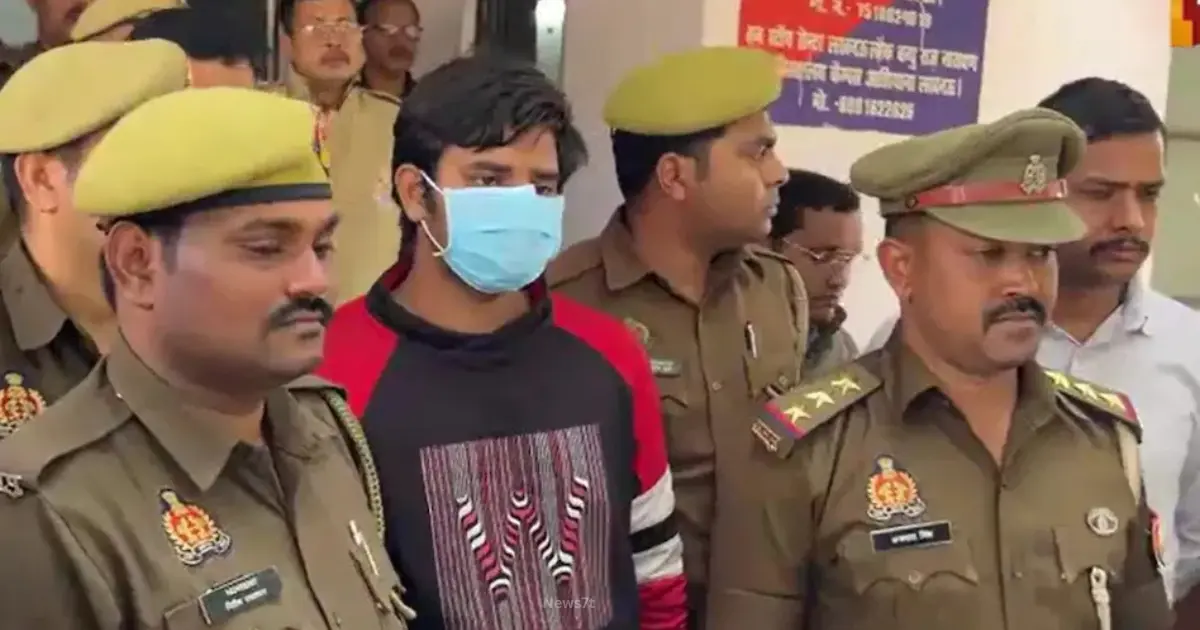
Lucknow murder case Blue Drum phrase ne nationwide curiosity generate ki, as criminal cases that capture national attention often do so not merely because of the severity of the allegations, but because they challenge deeply held assumptions about trust, family, and human behavior. One such case that generated intense public discussion involved a disturbing incident reported from Lucknow’s Ashiyana area, widely referred to in media discourse as the “Lucknow Blue Drum Case.”
The case drew significant attention due to its alleged combination of domestic conflict, digital communication, and investigative complexity. Reports suggested that a young man, Akshat Singh, was accused of killing his father, Manvendra Singh, followed by attempts to mislead neighbors and authorities through carefully constructed narratives — including the use of a WhatsApp group centered on the victim’s supposed disappearance.
While legal proceedings ultimately determine facts and accountability, the case became emblematic of broader themes: the psychology of deception, the influence of digital platforms in modern social dynamics, and the societal impact of high-profile criminal investigations.

Table of Contents
Background of the Victim
According to widely circulated reports, Manvendra Singh was a middle-aged resident of Lucknow, locally known as a successful entrepreneur. He was reportedly associated with a pathology laboratory business and was often described as financially stable and professionally reputable. In discussions surrounding the Lucknow murder case Blue Drum, media accounts frequently portrayed him as a person of relative prosperity who provided a comfortable lifestyle for his family.
Reports suggested that he owned valuable assets and maintained a position of social and economic stability. Like many parents deeply invested in their children’s futures, Manvendra Singh was said to hold ambitious expectations for his son’s career path, particularly in the field of medicine. Such aspirations are not uncommon in Indian households, where professional success — especially in highly regarded fields such as medicine or engineering — is often viewed as both an individual milestone and a source of family pride.
Profile of the Accused
Media coverage identified Akshat Singh, aged 21, as the primary accused in the case. He was described as the only son of Manvendra Singh and reportedly resided with his family in Lucknow’s Ashiyana locality. Within narratives related to the Lucknow murder case Blue Drum, public discussions frequently highlighted themes of academic pressure and possible intergenerational tensions.
Reports indicated that Akshat Singh had attempted competitive examinations, including the National Eligibility cum Entrance Test (NEET), but did not achieve the desired outcomes. Academic competition in India is widely recognized as highly demanding, and setbacks in such examinations can sometimes generate considerable psychological stress. Commentators and observers often referenced this broader educational context when examining the circumstances surrounding the Lucknow murder case Blue Drum.
However, it is important to emphasize that public commentary and media interpretations should not be mistaken for judicial conclusions. Any discussion of motives or contributing factors remains speculative unless established through formal legal proceedings.
Reported Sequence of Events
According to various news reports, tensions between the father and son allegedly escalated in the days preceding the incident, a factor that later became central to discussions surrounding the Lucknow murder case Blue Drum. These tensions were frequently described as disagreements related to career decisions and future expectations, themes that many observers associated with the broader narrative of the Lucknow murder case Blue Drum.
Investigating authorities reportedly reconstructed a timeline using a combination of physical evidence, digital records, and statements collected during the inquiry. While specific details differed across media sources, the core allegation connected to the Lucknow murder case Blue Drum suggested that a violent episode occurred inside the family residence during the early hours of February 20.
Following the reported disappearance of Manvendra Singh, relatives and neighbors initially approached the situation as a missing person case rather than a confirmed criminal investigation. This early perception contributed to the complexity of the Lucknow murder case Blue Drum, as attention gradually shifted from concerns about absence to allegations of wrongdoing. As the Lucknow murder case Blue Drum continued to unfold, digital evidence and investigative findings became key elements of public discussion.

Digital Deception and the WhatsApp Group
One of the most discussed aspects of the case was the alleged use of digital communication to shape perceptions. Investigative accounts suggested that Akshat Singh allegedly used WhatsApp messages to maintain the impression that his father was simply missing. This dimension added a modern technological layer to what might otherwise have been viewed purely as a domestic criminal matter.
Observers found this element particularly unsettling for several reasons:
- Deliberate social misdirection: If digital communication was used to create a misleading narrative, it reflects a calculated attempt to influence how others interpreted the situation.
- Manipulation of community concern: Messaging within familiar groups can reassure or mislead people who are emotionally invested.
- Shaping perceptions through platforms: WhatsApp groups and similar platforms allow rapid circulation of information, making them powerful tools for influencing collective understanding.
Digital deception itself is not new. However, its integration into criminal cases has become increasingly visible in recent years. Messaging platforms enable real-time updates, quick rumor spread, and sometimes coordinated narratives. Depending on how they are used, digital tools can either assist investigations by preserving evidence or complicate them by spreading misinformation.
According to reports, authorities began noticing inconsistencies in statements and behavioral patterns. Modern investigations typically combine traditional policing methods with technological analysis. In such cases, investigators may rely on:
- CCTV footage analysis
- Forensic examination of physical evidence
- Digital communication records
- Behavioral assessment
CCTV footage often plays a decisive role in missing person investigations. It helps establish movement patterns, timelines, and the sequence of events. Digital records, including message timestamps and call logs, can also help reconstruct narratives and verify claims.
Reports indicated that further inquiry led investigators to revisit the residence, where critical evidence was allegedly discovered. Such breakthroughs often emerge when inconsistencies prompt deeper scrutiny of earlier assumptions.
Behavioral assessment
CCTV footage often plays a decisive role in missing person investigations, as it helps authorities establish movement patterns and construct accurate timelines. In this case, reports suggested that further inquiry prompted investigators to revisit the residence, where critical evidence was allegedly discovered. Following these reported findings, authorities arrested Akshat Singh. Media outlets claimed that he confessed during interrogation; however, such statements are always subject to legal scrutiny and evaluation in a court of law. Under Indian criminal procedure, cases must be built on evidence-based prosecution, function under judicial oversight, and uphold the defense rights of the accused. A confession alone is not sufficient for conviction unless it is corroborated by legally admissible and supporting evidence.
Broader Reflections Beyond the Legal Narrative
Beyond the immediate legal proceedings, the Lucknow murder case Blue Drum sparked wider social and psychological discussions. While courts focus on evidence and judicial findings, society often reflects on deeper structural and behavioral issues. The Lucknow murder case Blue Drum became not only a criminal investigation but also a lens through which people examined family relationships, academic stress, media influence, and digital behavior
Family Dynamics and Conflict
Cases involving close family members tend to provoke intense reactions because they challenge the long-held belief that homes are inherently safe spaces. The Lucknow murder case Blue Drum brought attention to how internal family disputes can escalate in ways that outsiders rarely anticipate.
Such incidents often raise questions about:
- Communication breakdown – When dialogue weakens, misunderstandings and resentment may grow.
- Emotional pressures – Financial, generational, or personal expectations can create silent stress.
- Psychological factors – Individual coping mechanisms, personality traits, and unresolved trauma may influence behavior.
Sociologists emphasize that family systems are complex, and conflicts often emerge from layered causes rather than single disputes.
Academic Pressure and Social Expectations
Public commentary around the Lucknow murder case Blue Drum frequently referenced academic competition and societal pressure. In highly competitive environments, expectations regarding performance, career choices, and family reputation can create emotional strain.
However, experts strongly caution against simplistic cause-and-effect conclusions. Human behavior is rarely driven by one factor alone. Instead, it is shaped by multiple interacting variables — including environment, personality, opportunity, stress levels, and social influences. Reducing a complex case like the Lucknow murder case Blue Drum to a single trigger risks misunderstanding the broader picture.
Digital Communication as a Tool
One notable dimension of the Lucknow murder case Blue Drum involved digital communication. The reference to WhatsApp groups in media discussions illustrated how online platforms can:
- Shape narratives
- Influence public suspicion
- Impact investigative directions
Today, digital footprints — messages, call records, social media activity — play an integral role in modern policing. Digital behavior has become a significant evidentiary component in criminal investigations, reflecting how technology now intersects with both personal lives and legal processes.
Media Amplification
The Lucknow murder case Blue Drum received extensive coverage across television, YouTube, and social media. Headlines often highlighted dramatic elements such as the “blue drum” and alleged digital deception.
Media framing can strongly influence public perception. Emphasis on emotionally charged details may create intensity that outpaces verified facts. Scholars of media studies note that repetition of striking imagery or phrases can shape collective memory of a case, sometimes overshadowing nuanced realities.
Impact on the Community
High-profile cases like the Lucknow murder case Blue Drum often create ripple effects within local communities:
- Heightened anxiety about safety
- Increased vigilance in neighborhoods
- Distrust and speculation among residents
Neighbors may struggle to reconcile previously normal social interactions with serious allegations. This psychological dissonance can affect community cohesion long after legal proceedings conclude.
Psychological and Sociological Reflections
Incidents such as the Lucknow murder case Blue Drum do not only raise legal questions; they also trigger deep psychological and sociological reactions. When events unfold within a family setting, they challenge society’s assumptions about trust, safety, and emotional bonds. The Lucknow murder case Blue Drum has therefore generated discussion not just about the facts, but also about human behavior and social perception.
Intra-Family Conflict
Cases involving alleged violence within families are particularly disturbing because families are widely viewed as protective institutions. When conflict escalates inside the home, as reported in the Lucknow murder case Blue Drum, it disrupts the belief that close relationships automatically guarantee security. Sociologists often point out that family disputes can remain unresolved for long periods before surfacing dramatically.
Hidden Tensions
Another troubling dimension is the presence of hidden tensions. Many high-profile cases reveal disagreements, emotional strain, or generational conflicts that were not publicly visible. In discussions surrounding the Lucknow murder case Blue Drum, observers have reflected on how underlying issues can quietly intensify over time. The idea that serious conflict may remain unnoticed until a crisis occurs adds to public unease.
Perceived Normalcy Masking Turmoil
One of the most psychologically unsettling aspects is the contrast between outward normalcy and internal distress. Neighbors or acquaintances often describe families as “ordinary” before such incidents come to light. This perceived normalcy masking turmoil makes cases like the Lucknow murder case Blue Drum especially shocking, as it challenges people’s confidence in their ability to judge situations accurately
Psychological Factors Behind Public Reaction
Psychologists note that public reactions are rarely neutral. Instead, they are shaped by several powerful emotional and cognitive factors:
- Empathy: People naturally sympathize with victims and affected families.
- Fear: Such cases create anxiety about safety within close relationships.
- Cognitive Biases: Individuals may form quick conclusions based on media framing, partial information, or personal beliefs.
In situations like the Lucknow murder case Blue Drum, these elements combine to intensify public debate and speculation.
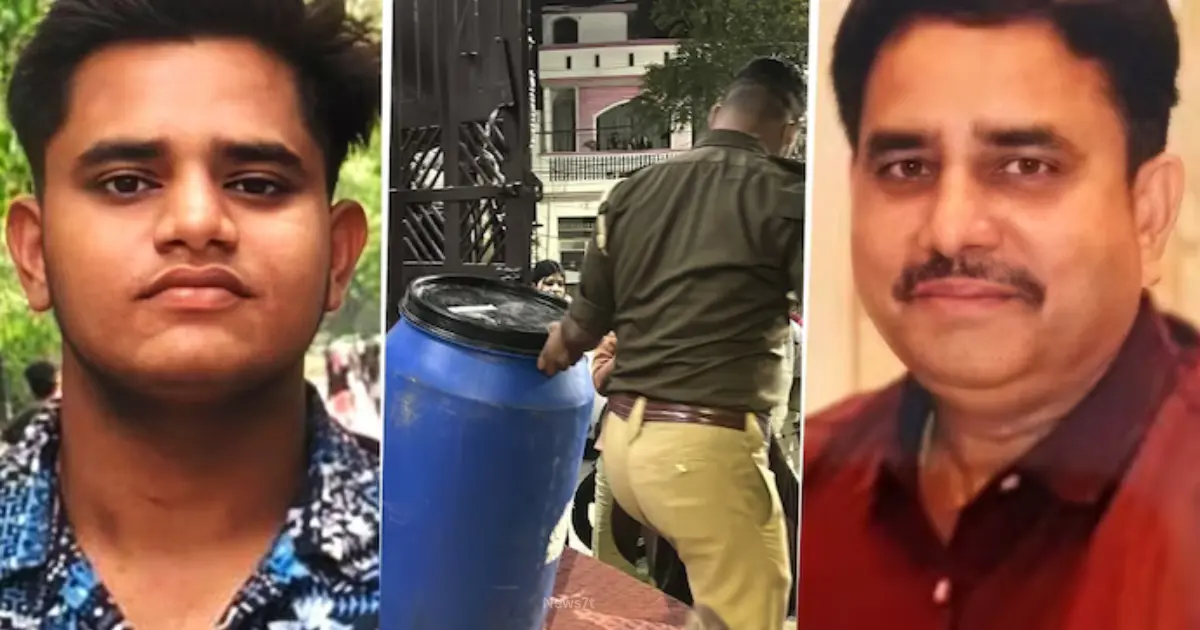
The Lucknow Blue Drum Case became a widely discussed topic not only because of the allegations themselves but because of the unsettling themes it invoked: deception within intimate relationships, digital misdirection, and the complexity of human motives.