
AI Events in Delhi 2026: Revolutionary Game-Changing Innovations
Disha7 min read
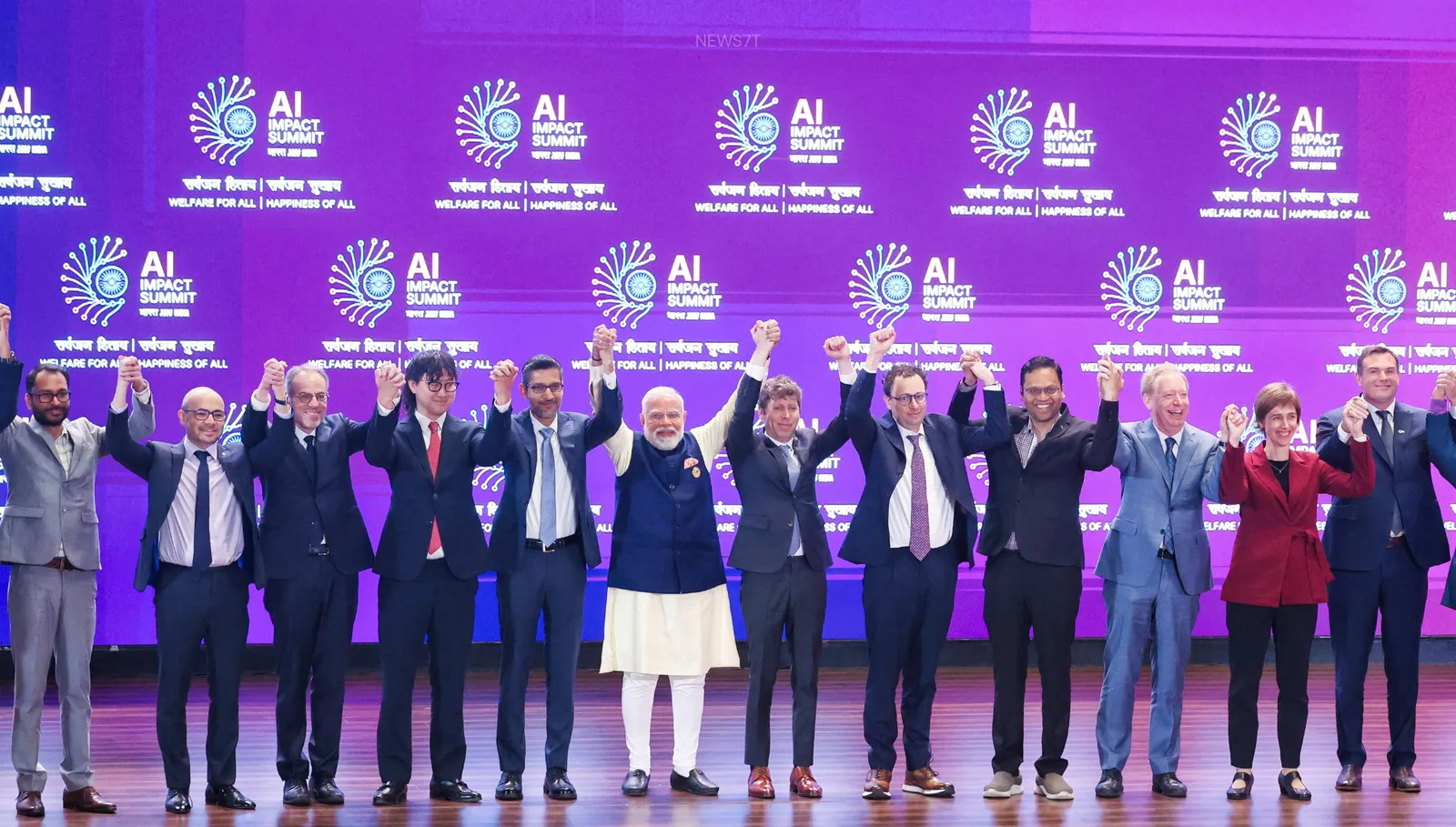
AI Events in Delhi 2026 marked a historic turning point for artificial intelligence development in India, with New Delhi emerging as a global epicenter for innovation, governance, and technological diplomacy. What made this year extraordinary was not merely the number of events hosted in the capital, but the depth of conversation, collaboration, and commitment demonstrated by world leaders, technology experts, researchers, and startups.
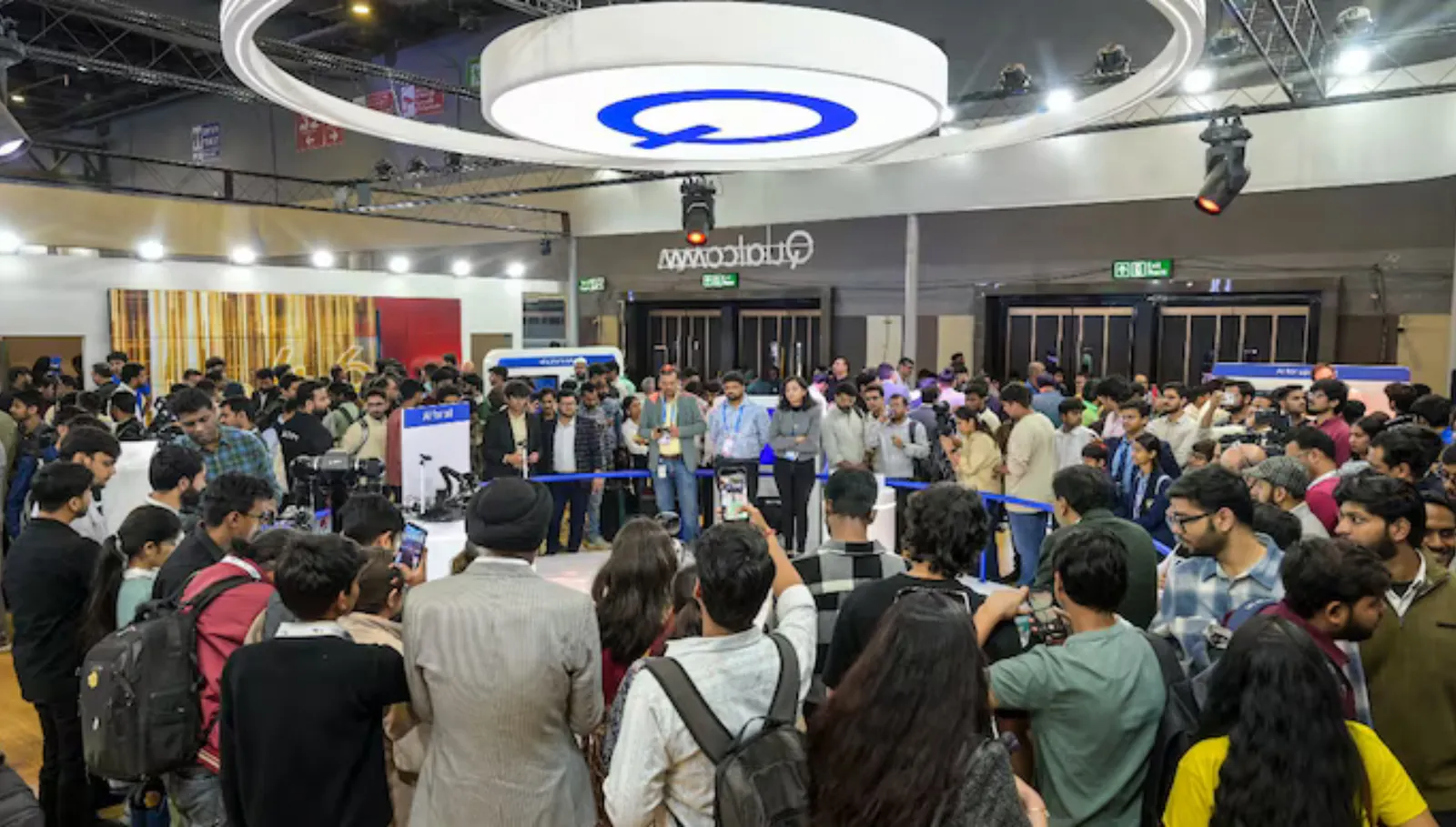
Delhi transformed into a vibrant platform where the future of AI was debated, demonstrated, and defined. The convergence of policy frameworks, breakthrough technologies, and cross-border partnerships created an ecosystem that positioned India at the forefront of responsible AI leadership.
Table of Contents
The Landmark AI Impact Summit 2026
At the heart of Delhi’s AI revolution was the globally significant AI Impact Summit 2026, hosted at the world-class venue Bharat Mandapam. This summit gathered representatives from more than 80 countries, along with CEOs, policymakers, researchers, and technology pioneers.
The event focused not only on technological advancement but also on ethical governance, regulatory cooperation, and inclusive access to AI systems. Discussions ranged from generative AI to national AI infrastructure, creating a comprehensive roadmap for the future. The summit became a symbol of India’s ambition to lead global conversations on artificial intelligence and innovation.
The New Delhi Declaration
One of the most impactful outcomes of the summit was the adoption of the New Delhi Declaration on AI, signed by dozens of participating nations. This declaration emphasized democratic values, transparency, accountability, and equitable access to artificial intelligence technologies. Unlike earlier technology agreements dominated by private corporations, this declaration represented a collaborative effort among governments to shape AI responsibly. It signaled a shift from unchecked technological expansion to a regulated and ethical AI ecosystem that balances innovation with public welfare.
IndiaAI Mission and National Strategy
The broader momentum behind these events was supported by the ambitious IndiaAI Mission, a national initiative designed to accelerate AI research, infrastructure, and adoption across sectors. The mission aims to build computing capacity, encourage startups, and develop indigenous AI solutions tailored to India’s diverse population. Through strategic funding, public-private partnerships, and academic collaborations, the initiative laid the foundation for sustainable AI growth. Delhi’s events showcased how national strategy can translate into global leadership.
AI in Healthcare
Healthcare innovation was one of the most impressive highlights of the Delhi AI events. Advanced machine learning systems demonstrated the ability to detect early-stage diseases through imaging, genetic analysis, and predictive modeling. Hospitals and startups presented AI tools capable of identifying cancer markers, predicting cardiac risks, and assisting in robotic surgeries. These technologies promise faster diagnosis, reduced human error, and increased accessibility for rural populations. The integration of AI into India’s healthcare infrastructure represents a transformative step toward affordable and efficient medical services.
Agricultural Intelligence and Food Security
Agriculture remains the backbone of India’s economy, and AI is rapidly modernizing this sector. During the 2026 events, experts showcased systems that analyze satellite imagery, soil health data, and weather patterns to predict crop yields and detect pest infestations. These intelligent platforms help farmers make informed decisions about irrigation, fertilization, and harvesting. By improving productivity and minimizing losses, AI is strengthening food security and enabling climate-resilient farming practices. Delhi’s platform highlighted how technology can directly empower grassroots communities.
Smart Governance and Digital Public Infrastructure
AI-powered governance solutions were another focal point of the discussions. Intelligent chatbots, predictive analytics tools, and automated grievance redressal systems are being integrated into public services to reduce bureaucracy and increase transparency. By leveraging digital public infrastructure, government agencies can now analyze citizen feedback, optimize urban planning, and improve resource allocation. These advancements represent a shift toward data-driven governance, where technology enhances accountability and efficiency.
AI Startups Driving Innovation
The startup ecosystem played a crucial role in defining Delhi’s AI narrative in 2026. Hundreds of startups presented innovations ranging from generative AI tools to fraud detection systems and multilingual AI assistants. Investors from across the globe recognized India’s strength in building scalable and cost-effective solutions for large populations. The events created networking opportunities that fostered cross-border investment and research collaborations. This vibrant startup culture ensures that AI innovation remains dynamic and inclusive.
Generative AI and Creative Industries
Generative AI technologies, capable of producing text, images, music, and code, were among the most discussed innovations. Demonstrations included AI-powered content creation platforms, automated design tools, and intelligent coding assistants. These systems are transforming creative industries by increasing productivity and enabling personalized experiences. However, debates also addressed intellectual property concerns and the ethical use of generative models. Delhi’s AI forums balanced excitement with caution, promoting responsible adoption.
AI and Employment Transformation
One of the central concerns addressed during the events was AI’s impact on employment. While automation may replace repetitive tasks, experts emphasized the creation of new job categories such as AI ethicists, machine learning engineers, data analysts, and robotics specialists. Skill development initiatives were proposed to ensure workforce readiness. Educational institutions are integrating AI-focused curricula to prepare students for a technology-driven economy. The overall message was that adaptation and reskilling are essential in the age of artificial intelligence.
Ethical AI and Bias Mitigation
Ethics formed the backbone of every major discussion. Policymakers and researchers emphasized the need to eliminate algorithmic bias, protect user data, and maintain transparency in decision-making systems. AI systems must reflect fairness and inclusivity, especially in a diverse society like India. Panels explored frameworks for auditing algorithms and establishing accountability mechanisms. By placing ethics at the center of innovation, Delhi set a precedent for global AI governance.
AI in Climate Change and Sustainability
Artificial intelligence is increasingly being used to combat climate change, and Delhi’s 2026 events highlighted this potential. AI systems can monitor carbon emissions, predict extreme weather events, and optimize renewable energy grids. Intelligent urban planning tools help cities reduce heat islands and improve sustainability. By combining environmental science with machine learning, AI becomes a powerful instrument in the fight against global warming.
Cybersecurity and AI Safety
As AI systems grow more powerful, ensuring safety becomes critical. Experts discussed the risks of deepfakes, misinformation, and cyber threats powered by artificial intelligence. Demonstrations showcased AI-driven cybersecurity platforms capable of detecting anomalies and preventing attacks in real time. Policymakers advocated for international cooperation to establish safety standards and prevent misuse. The emphasis on AI safety reflected a mature and responsible approach to technological growth.
AI Diplomacy and Global Cooperation
The 2026 events positioned artificial intelligence as a geopolitical priority. Countries engaged in “AI diplomacy,” negotiating data-sharing agreements, research collaborations, and regulatory harmonization. This collaborative spirit marked a shift from competitive technological rivalry to cooperative development. Delhi’s leadership demonstrated how emerging economies can influence global policy discussions and promote equitable technology access.
Education and AI Literacy
Recognizing that the future belongs to digitally skilled generations, several initiatives were announced to expand AI literacy. Schools and universities are establishing AI laboratories, offering certification programs, and encouraging research in artificial intelligence. By democratizing access to AI education, India aims to nurture homegrown talent and reduce dependence on foreign technologies. Education is the cornerstone of long-term innovation.
Smart Cities and Urban Transformation
Delhi’s AI events also highlighted advancements in smart city technologies. Intelligent traffic management systems, predictive maintenance for public transport, and AI-driven waste management solutions are improving urban living standards. These innovations demonstrate how artificial intelligence can enhance everyday experiences, from commuting to energy consumption. Smart infrastructure reflects the practical application of AI beyond theoretical discussions.
Investment and Economic Growth
The influx of international investors and venture capitalists underscored the economic significance of AI in Delhi. Funding announcements during the events boosted startup confidence and encouraged research expansion. Artificial intelligence is projected to contribute significantly to India’s GDP in the coming years. By fostering innovation-friendly policies, Delhi is positioning itself as a global investment hub for AI technologies.
Delhi’s Role in Shaping the AI Future
AI Events in Delhi 2026 were more than conferences—they were catalysts for transformation. From groundbreaking healthcare innovations to global governance frameworks and startup acceleration, the capital city demonstrated how artificial intelligence can be both powerful and principled.
The collaborative spirit embodied in the AI Impact Summit 2026 and the New Delhi Declaration on AI showcased a shared commitment to ethical, inclusive, and sustainable development. As AI continues to evolve, Delhi’s leadership in 2026 will be remembered as a defining chapter in the global journey of artificial intelligence innovation.