
Robotics: Break Traditional Work and Unlock the Powerful Future of Robotics
Disha8 min read
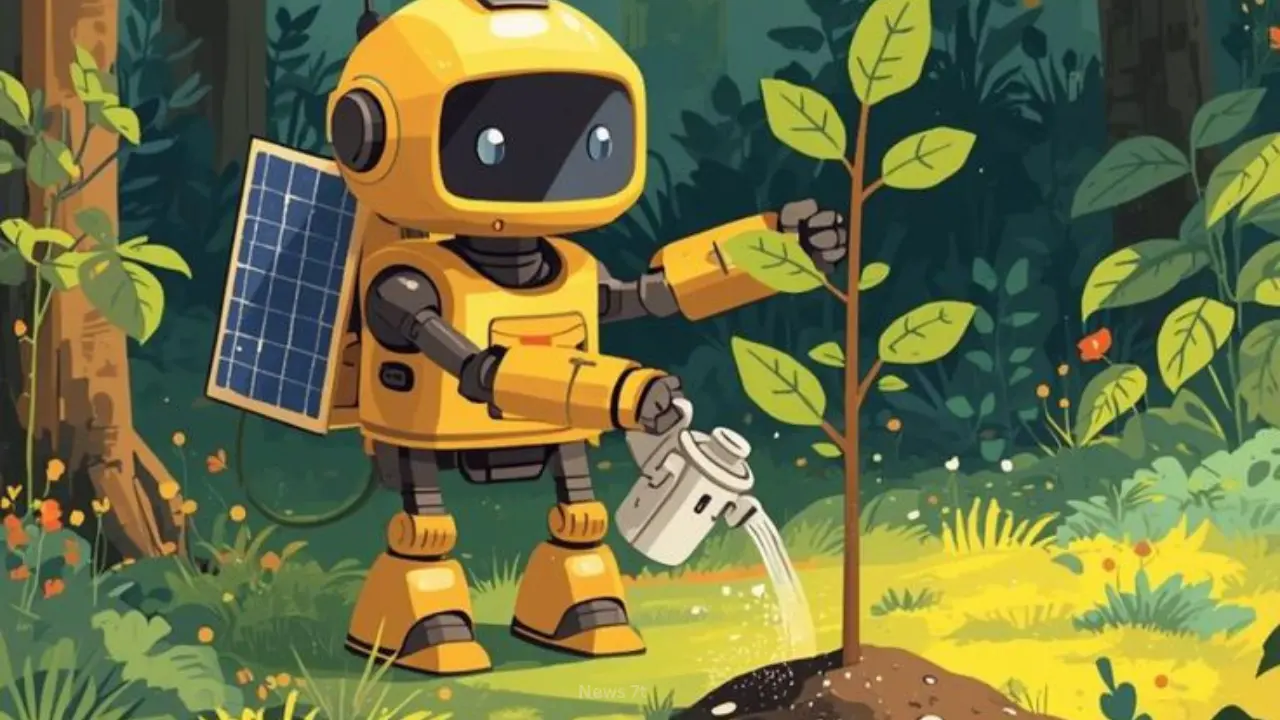
Robotics is rapidly changing the way people work, learn, manufacture products, provide healthcare, explore dangerous environments, and interact with technology. What once looked like science fiction is now becoming part of everyday life. From industrial robots working in factories to intelligent machines assisting doctors, robots are becoming increasingly useful across different industries.
The rise of Robotics is creating exciting opportunities, but it is also raising important questions about employment, skills, safety, privacy, and the future of human work. Some traditional jobs may change because machines can perform repetitive and physically demanding tasks. At the same time, new careers are emerging in robot design, programming, maintenance, artificial intelligence, engineering, and automation.
The real future may not be about humans versus robots. Instead, it may be about humans and robots working together. By understanding this technology and preparing for its growth, society can use Robotics to create a smarter, safer, and more productive future.

Table of Contents
What Is Robotics?
Robotics is a branch of technology and engineering focused on designing, building, programming, and operating robots. A robot is a machine capable of performing tasks automatically or with some level of human control.
Modern robots can use sensors, cameras, software, artificial intelligence, and mechanical systems to understand their surroundings and perform specific actions. Some robots are designed for simple repetitive activities, while advanced systems can make decisions based on information collected from their environment.
Robotics combines several areas of knowledge, including mechanical engineering, electronics, computer science, artificial intelligence, mathematics, and software development. Because of this combination, Robotics has become one of the most important technologies shaping modern industries.
Why Robotics Is Becoming So Important
The demand for Robotics is growing because businesses and organizations want to improve productivity, accuracy, safety, and efficiency. Machines can perform repetitive tasks for long periods without getting tired in the same way humans do.
For example, factories can use robots to assemble products, move materials, weld components, and inspect finished goods. Hospitals can use robotic technologies to support certain medical procedures. Warehouses can use automated machines to move packages and organize inventory.

Robotics can also be valuable when a task is dangerous for humans. Robots can enter areas with extreme heat, toxic chemicals, radiation, deep water, or unstable structures. As technology becomes more affordable and intelligent, the use of robots is expected to expand into more areas of everyday life.
Robotics and the Changing Workplace
One of the biggest effects of Robotics can be seen in the workplace. Traditional working methods are changing as businesses introduce automation into their operations. A robot can perform repetitive activities quickly and consistently. This can allow employees to focus on tasks requiring creativity, communication, problem-solving, planning, and decision-making.
However, automation can also change the demand for certain types of jobs. Workers who perform highly repetitive tasks may need to learn new skills as their workplaces become more automated.
This does not necessarily mean that robots will replace every human worker. In many situations, robots are more likely to become tools that support employees. The future workplace could therefore involve humans managing, monitoring, programming, repairing, and collaborating with robotic systems.
Robotics in Manufacturing
Manufacturing is one of the most established applications of Robotics. Industrial robots are already used in many factories around the world. Robots can perform activities such as welding, painting, packaging, assembling, cutting, lifting, and quality inspection. Their ability to repeat the same movement with high precision makes them particularly useful for industrial production.
Automation can help manufacturers increase production speed while maintaining consistent quality. Robots can also perform physically demanding activities that may otherwise place stress on human workers. The introduction of smart robotic systems is also making factories more flexible. Modern machines can sometimes be reprogrammed for different products or production requirements. As manufacturing becomes more connected, Robotics is increasingly working alongside artificial intelligence, sensors, cloud systems, and data analytics.
Robotics in Healthcare
Healthcare is another important field where Robotics is creating new possibilities. Medical robots can assist healthcare professionals in different ways. Robotic systems can support certain surgical procedures by providing precise movements and improved control. Other robots may assist with rehabilitation, physical therapy, patient support, or hospital logistics.
Robots can also help transport medicines, equipment, and supplies within healthcare facilities. This can save staff time and allow them to concentrate more on patient care. In the future, researchers may develop increasingly advanced robotic technologies for elderly care, rehabilitation, remote healthcare, and assistance for people with disabilities.
However, healthcare Robotics must be developed with strong safety standards because medical decisions and patient wellbeing require careful human supervision.
Robotics in Agriculture
Agriculture is also experiencing technological change. Farmers are increasingly exploring automation to manage labor challenges, improve productivity, and use resources more efficiently. Agricultural robots can potentially help with activities such as planting, harvesting, weed detection, crop monitoring, and soil analysis.
Robots equipped with cameras and sensors can collect information about crops and identify problems that may not be immediately visible to farmers. This information can support better decisions about irrigation, fertilizers, and crop protection.
In the future, Robotics could contribute to precision agriculture by helping farmers target resources more accurately instead of treating entire fields in the same way. This could be particularly useful as agriculture faces challenges related to climate change, water availability, labor shortages, and growing food demand.
Robotics in Space Exploration
Space exploration is one of the most fascinating applications of Robotics. Robots can travel into environments where humans cannot easily survive. Space agencies have used robotic spacecraft, rovers, and robotic arms to explore planets, moons, asteroids, and other environments.
Robotic systems can collect samples, capture images, analyze surfaces, and conduct scientific experiments. They can also support astronauts by performing tasks that would otherwise require significant time and physical effort. Robots are especially useful in space because communication delays and dangerous conditions can make direct human operation difficult.
As humanity plans future missions to the Moonand Mars, Robotics could become an essential part of exploration, construction, scientific research, and resource management.
Robotics and Artificial Intelligence
Artificial intelligence is making robots more capable. Traditional robots often followed predefined instructions, while modern intelligent systems can use sensors and AI technologies to respond to changing environments. The combination of AI and Robotics can help machines recognize objects, understand patterns, navigate spaces, and make decisions based on available information.
For example, an intelligent warehouse robot can identify its location, detect obstacles, and choose a route to reach a destination. A service robot may use computer vision to recognize people or objects.
However, AI-powered robots still have limitations. They require carefully designed software, reliable hardware, appropriate training data, and human oversight. The future of Robotics will likely depend heavily on the continued development of artificial intelligence.
Robotics in Education
Education is another area where this technology can make learning more practical and engaging. Students can learn programming, electronics, engineering, mathematics, and problem-solving through hands-on projects. Educational kits allow students to build and program small machines. This gives learners an opportunity to understand how hardware and software work together.
Competitions and school projects can also encourage creativity and teamwork. Instead of learning technology only through theory, students can experiment and solve real-world problems. As demand for technical skills increases, introducing practical technology education at an early stage could help students prepare for future careers in engineering, automation, artificial intelligence, and software development.
Robotics in Homes and Daily Life
Robots are not limited to factories and laboratories. Some robotic technologies are already becoming part of household life. Robot vacuum cleaners, automated lawn equipment, smart appliances, and other consumer technologies can perform specific tasks with limited human involvement.
Future home robots may become more capable of assisting with cleaning, organization, security, and elderly support. However, these technologies must also address privacy and safety. A home robot may collect information through cameras, microphones, or sensors. Consumers therefore need clear information about how their data is collected, stored, and used. Convenience should not come at the cost of personal privacy or security.
How Robotics Can Improve Workplace Safety
One major benefit of this technology is its ability to perform dangerous tasks. Workers in industries such as construction, mining, chemical processing, and manufacturing may sometimes operate in environments involving heavy machinery, extreme temperatures, toxic substances, or other hazards.
Machines can be sent into certain dangerous environments instead of putting humans directly at risk. Remote-controlled or autonomous systems can inspect hazardous areas and collect important information.
This does not eliminate workplace risks completely, but it can reduce human exposure to some dangerous activities. The goal should be to use advanced machines as a safety tool while maintaining appropriate human supervision and technical safeguards.
Will Robotics Replace Human Jobs?
The possibility of job displacement is one of the biggest concerns surrounding automation and advanced technology. Some repetitive jobs may become increasingly automated. Businesses may use machines to reduce manual workloads or increase production efficiency.
However, technological change can also create new jobs. This field requires engineers, programmers, technicians, software developers, maintenance specialists, researchers, designers, and project managers.
The important issue is therefore not simply whether robots will replace jobs. It is how the nature of work will change. Workers who develop digital, technical, creative, and interpersonal skills may be better prepared for workplaces where humans and machines collaborate. Continuous learning and reskilling will become increasingly important.
New Career Opportunities in Robotics
The growth of this technology is creating opportunities for people with different educational backgrounds. Potential careers include robotics engineer, automation engineer, robotics technician, control systems engineer, AI specialist, software developer, embedded systems engineer, robotic maintenance technician, and research scientist.
There are also opportunities outside pure engineering. Businesses need professionals in project management, marketing, sales, technical support, product design, ethics, cybersecurity, and operations.
Students interested in this field can begin by learning programming languages, electronics, mathematics, mechanical concepts, and basic artificial intelligence. The earlier learners develop practical skills, the better prepared they may be for the changing technology-driven job market.
Challenges and Risks of Robotics
Despite its advantages, this technology also creates several challenges. The cost of advanced robotic systems can be high, especially for small businesses. Organizations may need significant investment in hardware, software, training, maintenance, and infrastructure.
Cybersecurity is another concern. Connected machines can potentially become targets for hackers if their systems are not properly protected. There are also ethical questions about autonomous machines. Society needs to decide how much decision-making should be given to machines and where human control must remain essential.
Job displacement, privacy, safety, unequal access to technology, and responsible AI development are other important concerns. Therefore, technological progress must be balanced with responsible planning.