
World Television Day: How Television Shapes Global Communication, Culture, and Media Today
disha6 min read
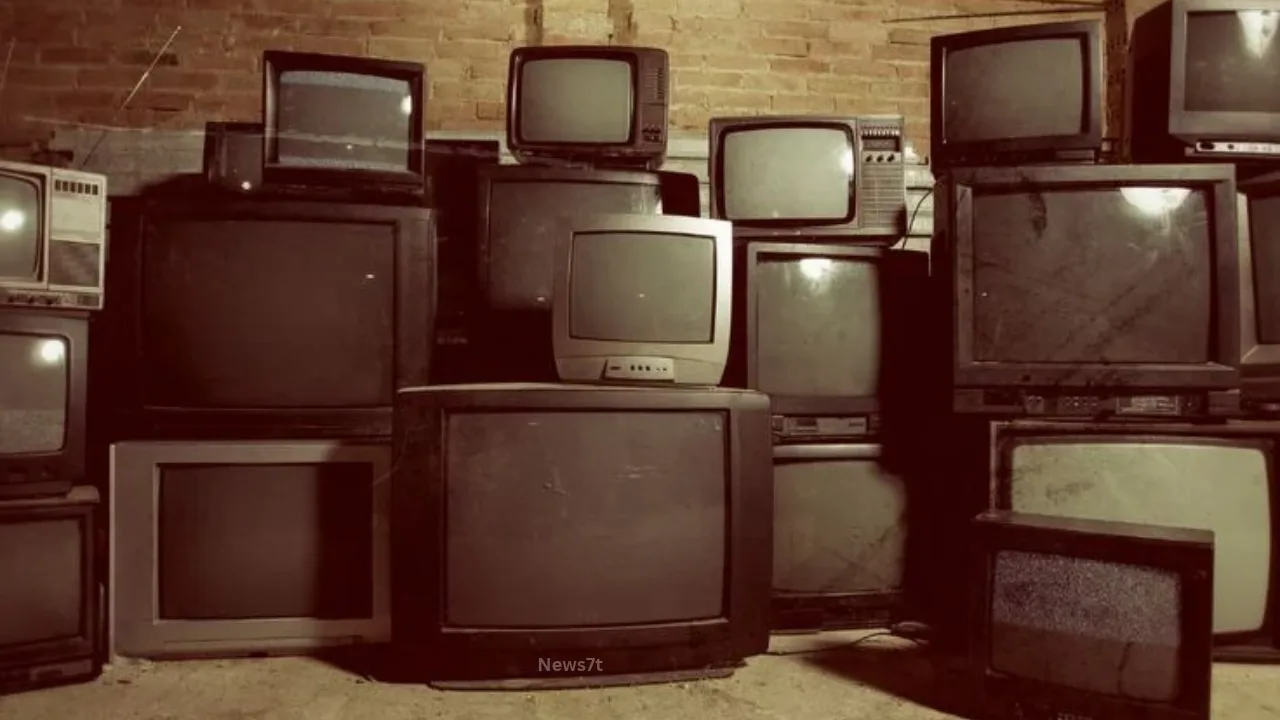
Every year on November 21, people, educators, broadcasters, and policymakers around the world mark World Television Day. Rather than acting as a celebration of a shiny new screen or a push to binge-watch another series, World Television Day invites us to step back and examine how television informs public opinion, connects distant cultures, influences decision-making, and evolves alongside digital media. Whether you grew up gathering around a heavy cathode-ray tube set in the family living room or you now stream live broadcasts and on-demand shows on a sleek smart panel, television remains one of the most influential storytelling mediums in human history.
Why World Television Day Matters
At its core, World Television Day exists to recognize television not merely as a household appliance, but as a vehicle for communication and shared awareness. When major news breaks—whether a peace summit, a humanitarian crisis, a scientific milestone, or a global sporting event—television brings moving images and sound directly into millions of homes simultaneously. That shared visual experience can turn abstract headlines into human stories that audiences feel and remember.
At the same time, World Television Day highlights a critical tension in modern media: influence carries responsibility. A well-researched documentary or a balanced news report can deepen public understanding of complex issues, whereas sensational framing, clipped video out of context, or unchecked rumors can distort reality. Observing World Television Day gives viewers and creators a timely moment to ask tough questions about accuracy, fairness, representation, and how stories are framed for different audiences.
Origins and History of World Television Day
The story of World Television Day begins in the mid-1990s as global broadcasting was expanding rapidly across borders and satellites. On 21–22 November 1996, the United Nations hosted the first World Television Forum in New York, bringing together media leaders and figures to discuss television's growing role in global affairs and opportunities for international cooperation.
Shortly afterward, on 17 December 1996, the United Nations General Assembly adopted Resolution 51/205, proclaiming November 21 as World Television Day. The resolution encouraged member states to promote global exchanges of television programmes focused on themes such as peace, security, economic and social development, and cultural exchange.
It is worth clearing up two common misconceptions around World Television Day:
It does not mark the invention of television: The date commemorates the opening of the first World Television Forum in 1996, rather than the date of early mechanical or electronic television demonstrations in the 1920s.
It is a UN observance, not a public holiday: In places like India and many other countries, World Television Day is an international observance recognized by broadcasters, schools, and media commentators rather than a national holiday.
Debates surrounding the resolution also showed why media access remains a nuanced topic worldwide. During the General Assembly vote, 11 delegations abstained, with Germany's representative noting that large parts of the world's population lacked access to television and emphasizing the continuing importance of accessible media such as radio. That historical perspective reminds us that media ecosystems vary widely across regions and income levels.
From Mechanical Scanning to Smart Screens
To appreciate how far World Television Day has come since 1996, it helps to look at how television itself evolved from experimental lab setups to connected living-room hubs. Early pioneers in the 1920s laid the groundwork through mechanical scanning and all-electronic systems—such as John Logie Baird's mechanical demonstration in 1926 and Philo Farnsworth's electronic system in 1927—before commercial broadcasts gradually reshaped daily life.
Over decades, television shifted from black-and-white broadcasts to color, cable, satellite, high definition, and ultra-high-definition smart displays. Today, the boundary between "traditional TV" and "digital video" is blurrier than ever. Many viewers watch live news feeds, sports broadcasts, on-demand series, and creator videos on the same large screen, while also catching clips on phones and tablets.
DimensionTraditional Broadcast & Cable TVConnected & Streaming TelevisionHow Content ArrivesScheduled linear programming via over-the-air, cable, or satellite signalsOn-demand libraries, live internet streams, and app ecosystemsViewer ControlFixed broadcast times with limited real-time choicePause, rewind, binge, switch profiles, and pick specific episodesDiscovery & ReachBroad shared schedules that often anchor family or national viewing momentsAlgorithmic recommendations alongside curated channels and live eventsKey ChallengeCompetition for younger and multi-screen audiencesFragmented attention, subscription fatigue, and algorithmic echo chambers
Even as viewing habits change, television continues to command massive global video attention. Large screens in shared spaces still have a unique ability to bring households and communities together around live events in real time.
Television's Role in Society, Culture, and Education
Beyond entertainment, World Television Day highlights several practical ways television shapes everyday life:
Public Awareness and Civic Dialogue: Television coverage can spotlight urgent social, economic, environmental, and security issues. When newsrooms provide clear context and multiple perspectives, viewers gain a fuller picture of events beyond their immediate neighborhood.
Cultural Exchange and Representation: Dramas, travelogues, music shows, and regional-language programs introduce audiences to unfamiliar dialects, traditions, humor, and lived experiences. Thoughtful representation helps bridge cultural gaps, while stereotypes show why diverse voices behind and in front of the camera matter.
Learning and Lifelong Curiosity: Science programs, historical documentaries, and educational broadcasts can spark curiosity for learners of all ages. Pairing a documentary or science segment with fact-checking and discussion turns passive screen time into active learning.
Accessibility for Diverse Viewers: Features like closed captions, sign-language interpretation, and audio descriptions help make broadcasts more inclusive for deaf, hard-of-hearing, and visually impaired audiences.
Media Literacy: Watching Thoughtfully in a Noisy Era
One of the best reasons to highlight World Television Day on a blog or in a classroom is to encourage media literacy—the habit of reading between the lines of what we see and hear. Fast-paced news tickers, dramatic background music, and short viral clips recycled from broadcasts can easily nudge viewers toward quick judgments.
Here are a few simple habits you can practice on World Television Day and every other day of the year:
Separate reporting from commentary: Notice whether a segment is presenting verified facts, offering an analyst's opinion, or running a sponsored or promotional message.
Look for missing context: When a dramatic clip circulates online or on air, ask what happened before and after the frame was cut, and check which primary sources are cited.
Compare multiple credible outlets: Checking how two or three reputable sources cover the same story helps reveal blind spots, tone differences, and key details.
Be intentional with screen time: Treat television and video platforms as tools for enjoyment, learning, and connection rather than background noise that crowds out sleep, conversation, or rest.
Practical Ways to Celebrate World Television Day
If you are planning content, a community activity, or a school lesson around World Television Day, you do not need a studio budget to make it meaningful. Here are engaging ideas that fit right into World Television Day celebrations:
Host a news-comparison exercise: Pick one public issue or event and compare how different broadcasts frame the headline, choose interviewees, and explain the background.
Interview an older family member: Ask how television viewing looked during their childhood—from channel availability and family routines to major historic broadcasts they remember.
Spotlight accessible media: Explore how captions, sign language, or audio descriptions work on favorite shows and why accessibility is essential for equal participation.
Curate a "context-rich" watchlist: Instead of endless scrolling, pick one documentary, cultural program, or educational series to watch together and discuss afterward.
Looking Ahead on World Television Day
As artificial intelligence, personalized recommendations, and cross-platform video reshape how stories are produced and distributed, the central questions raised by World Television Day feel more relevant than ever. Technology will keep changing how signals travel and how screens glow, but human judgment—how journalists verify facts, how creators tell honest stories, and how viewers watch with curiosity and care—remains at the heart of the medium. Marking World Television Day is a great reminder to enjoy great storytelling while staying thoughtful about the messages we absorb and share.