
Hariyali Teej 2026: Beautiful Traditions, Powerful Celebrations & the Hidden Challenges Behind This Sacred Festival
Disha12 min read
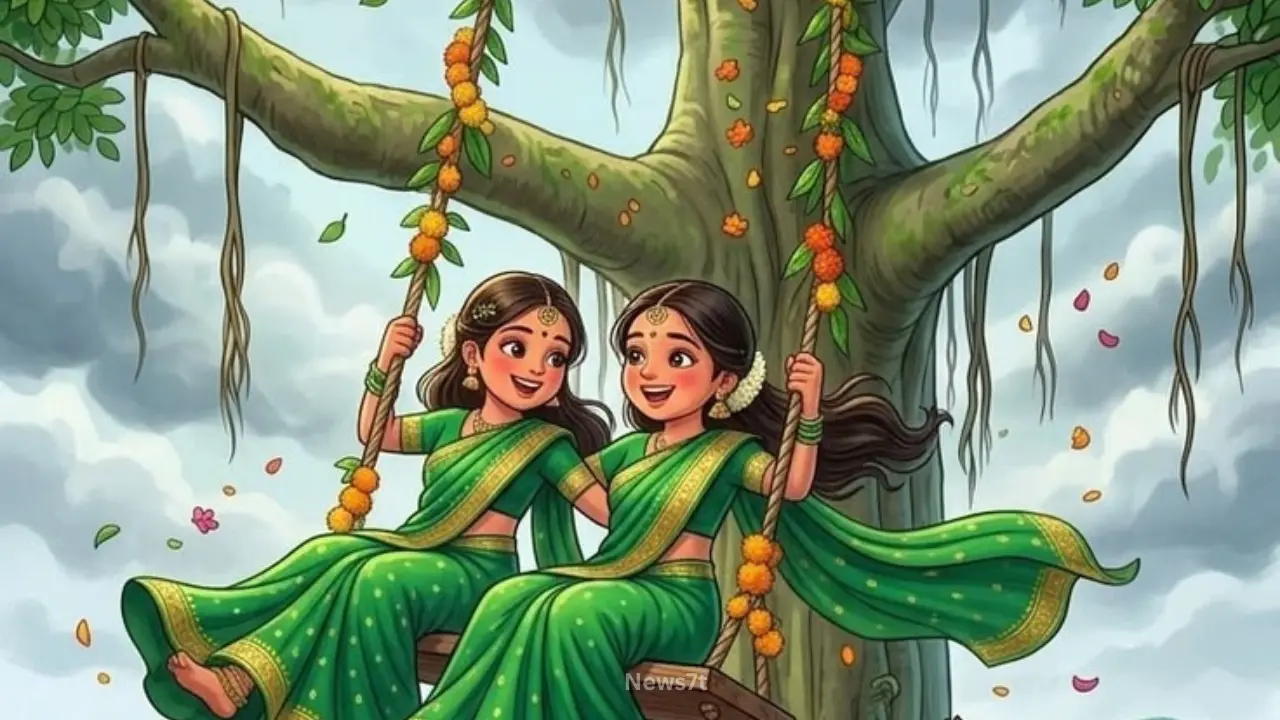
Hariyali Teej 2026 is one of the most beautiful and culturally meaningful festivals celebrated during the monsoon season, especially across North India. The festival is associated with Goddess Parvati and Lord Shiva and is traditionally observed with prayers, fasting, swings, mehndi, traditional clothing, folk songs, family gatherings, and joyful celebrations. The word “Hariyali” refers to greenery, making the festival closely connected with the fresh green landscape created by the arrival of the monsoon.
Hariyali Teej carries a deeply positive message of love, devotion, marital harmony, hope, and prosperity. At the same time, some traditional practices can create challenges when they are followed without considering individual health, modern lifestyles, or personal circumstances. Long fasting, social pressure, excessive spending, and environmental waste are examples of issues that deserve thoughtful attention.
For this reason, Hariyali Teej should not be viewed only as a colourful festival. It is also an opportunity to understand India’s traditions, appreciate women’s cultural participation, reconnect with family, and celebrate faith in a healthy and meaningful way.
Table of Contents
What Is Hariyali Teej?
Hariyali Teej is a Hindu festival dedicated primarily to the divine union of Lord Shiva and Goddess Parvati. It is celebrated during the monsoon period when nature becomes fresh, green, and vibrant. The festival is particularly popular in states such as Rajasthan, Haryana, Punjab, Uttar Pradesh, Bihar, Madhya Pradesh, and parts of other North Indian regions.
Women traditionally dress in bright colours, apply mehndi, wear bangles and jewellery, enjoy swings decorated with flowers, and participate in devotional singing. Married women often pray for the well-being and long life of their husbands, while unmarried women may pray for a suitable life partner. However, the cultural significance of Teej extends beyond marriage. It is also a celebration of nature, devotion, community and the emotional connection between generations.
When Is Hariyali Teej 2026?
Hariyali Teej 2026 is observed on the Tritiya Tithi of Shukla Paksha in the month of Shravan according to the Hindu lunar calendar. Hariyali Teej 2026 is expected to be celebrated on Friday, August 14, 2026, subject to the local Hindu calendar and tithi timings followed in different regions.
Because Hindu festivals are based on lunar calculations, the exact beginning and ending of the tithi can vary by location. Devotees observing the Hariyali Teej 2026 fast or performing rituals should therefore check their local panchang for precise timings. The festival generally arrives during India’s monsoon season, when the landscape becomes fresh, green, and vibrant.
For devotees, Hariyali Teej 2026 is an important occasion associated with Goddess Parvati and Lord Shiva. The festival is celebrated with prayers, fasting, mehndi, traditional clothing, swings, folk songs, and family gatherings. As Hariyali Teej 2026 approaches, homes and communities prepare to welcome the festival with devotion and colourful celebrations.
Why Is Hariyali Teej Called “Hariyali” Teej?
The word Hariyali means greenery, and Hariyali Teej 2026 gets its name from the beautiful transformation of nature during the monsoon season. During this time, dry landscapes become greener, trees grow fresh leaves, fields receive rainfall, and the natural environment becomes more vibrant. This seasonal transformation is closely connected with the identity and celebration of Hariyali Teej 2026.
The greenery represents growth, freshness, fertility, prosperity, and new beginnings. That is one reason Hariyali Teej 2026 feels visually different from many other Indian festivals. Green clothes, green bangles, floral decorations, beautifully decorated swings, and natural surroundings become important elements of the celebration. The colour green also creates a strong connection between the festival and the refreshing monsoon atmosphere.
For many devotees, Hariyali Teej 2026 is not only a religious occasion but also a celebration of nature’s renewal. The festival beautifully connects spirituality, seasonal change, cultural traditions, and the joyful arrival of greenery after the hot summer months.
The Mythological Story Behind Hariyali Teej
The story of Hariyali Teej 2026 is closely associated with Goddess Parvati’s deep devotion toward Lord Shiva. According to Hindu traditions, Goddess Parvati undertook severe penance and dedicated herself to spiritual practices to demonstrate her devotion and seek Lord Shiva as her husband. After prolonged devotion, patience, and spiritual dedication, Lord Shiva accepted her. This divine union is one of the central reasons why Hariyali Teej 2026 holds such an important place in Hindu tradition.
For devotees, the story behind Hariyali Teej 2026 represents patience, commitment, faith, devotion, and spiritual determination. The festival reminds people that meaningful relationships are traditionally connected with mutual respect, understanding, trust, and emotional commitment. Goddess Parvati’s dedication is seen as an inspiring example of perseverance and unwavering faith.
Different regions and communities may narrate the story in slightly different ways, but Goddess Parvati’s devotion remains central to the religious significance of Hariyali Teej 2026. During the festival, devotees remember her spiritual journey through prayers, puja, fasting, devotional songs, and traditional celebrations. In this way, Hariyali Teej 2026 combines mythology, spirituality, cultural traditions, and the celebration of relationships.
Religious Significance of Hariyali Teej
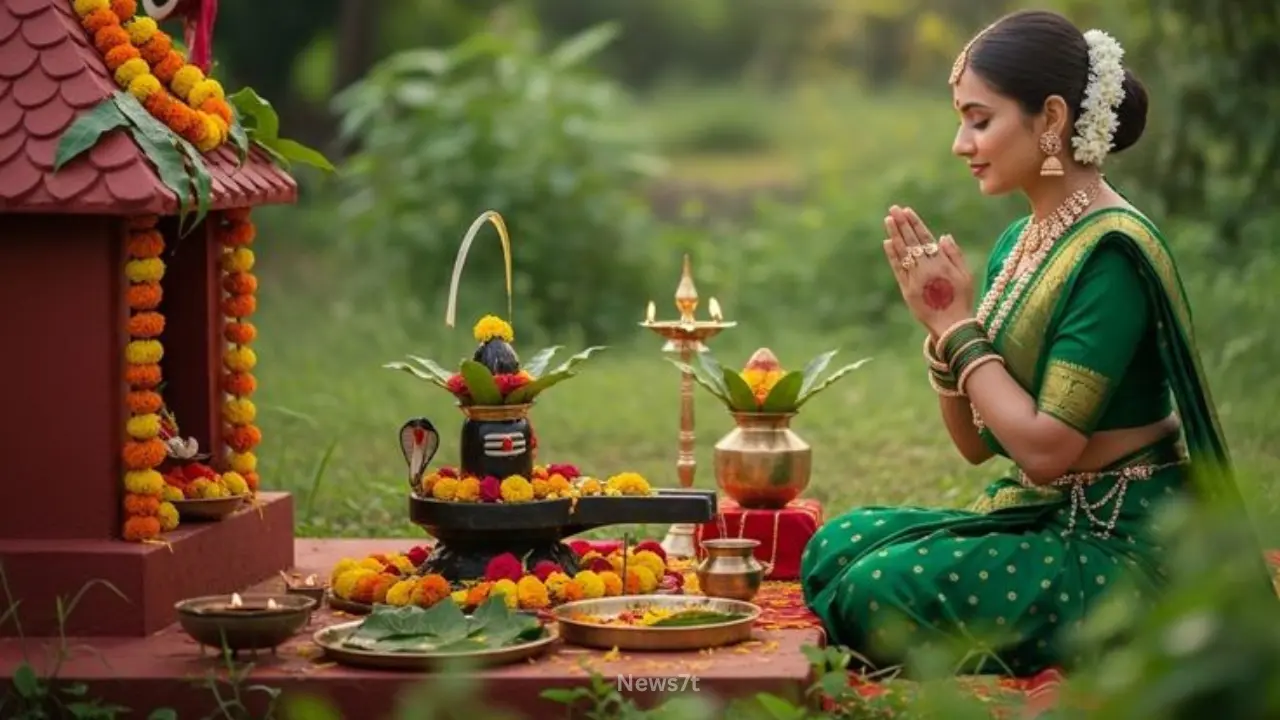
The religious importance of Hariyali Teej comes from the worship of Lord Shiva and Goddess Parvati. Women often visit temples, offer prayers, listen to devotional stories and perform puja. Some devotees observe a fast as an expression of faith and devotion.
The festival is also considered an occasion to seek blessings for family happiness, marital harmony and prosperity. For unmarried women, Teej may be observed with prayers for a happy future and a compatible life partner. The spiritual meaning of the festival, however, goes beyond specific wishes. It encourages qualities such as patience, dedication, faith and gratitude.
Hariyali Teej and Women’s Cultural Identity
One of the most distinctive features of Hariyali Teej 2026 is the central role traditionally played by women. During Hariyali Teej 2026, women often gather together to sing traditional folk songs, apply beautiful mehndi, wear colourful traditional clothes, exchange gifts, and enjoy decorated swings. In many communities, the festival provides a special opportunity for women from different generations to come together and celebrate their shared cultural heritage.
Grandmothers, mothers, daughters, and daughters-in-law may participate together in the celebrations of Hariyali Teej 2026. This creates a meaningful cultural connection between generations and gives younger members an opportunity to learn traditional customs from their elders. Traditional Teej songs often include references to marriage, emotions, the monsoon season, family relationships, parental homes, and everyday experiences.
Through these songs, rituals, clothing, mehndi designs, and customs, important cultural memories are passed from one generation to another. Hariyali Teej 2026 therefore becomes more than a religious celebration; it also acts as a beautiful platform for preserving women’s folk traditions, strengthening family bonds, and keeping India’s rich cultural heritage alive.
Traditional Teej Clothes and Jewellery
Fashion is an important part of Hariyali Teej celebrations. Green is traditionally associated with the festival, although women may also wear red, pink, yellow and other bright colours. Traditional sarees, lehengas, suits and other ethnic outfits are commonly worn. Green bangles are particularly popular.
Women may also wear earrings, necklaces, anklets, bindis and other traditional jewellery. Mehndi is another major part of the celebration. Intricate mehndi designs can be applied to the hands and feet, often featuring floral patterns, leaves, traditional motifs and decorative elements. These customs create a colourful atmosphere and make Teej visually memorable.
The Joy of Swings During Hariyali Teej
Swings are one of the most recognizable symbols of Teej celebrations. During the monsoon season, swings are traditionally tied to strong tree branches and decorated with flowers, leaves and colourful fabrics. Women and girls gather around the swings, sing folk songs and enjoy the monsoon atmosphere.
The swing represents happiness, freedom and the playful side of the festival. In modern cities, community centres and residential societies sometimes create temporary decorated swing areas. However, safety should always come first. Swings should be properly installed, checked before use and supervised when children are participating.
Traditional Food Prepared on Teej
Food is another important element of Hariyali Teej. Families may prepare sweets, fruits, dry fruits and traditional dishes for the occasion. Regional menus differ significantly. Some families prepare homemade sweets and festive snacks, while others prefer lighter meals because of fasting traditions.
One important change in modern celebrations is the growing availability of healthier alternatives.Instead of consuming excessive fried foods and sweets, families can include fruits, nuts, milk-based foods and balanced meals where appropriate. Festival food should bring happiness rather than discomfort.
Fasting During Hariyali Teej
Fasting is traditionally associated with Hariyali Teej. Some women observe a strict fast, while others follow modified fasting practices depending on their family traditions and personal circumstances. Fasting is generally viewed as an act of devotion. However, there is an important negative side that should not be ignored: prolonged fasting can be difficult or unsafe for some people.
Individuals with health conditions, those taking certain medications, pregnant women, elderly people, or anyone who becomes unwell while fasting should prioritize their health. Religious devotion should not become a reason to ignore serious physical symptoms. A meaningful festival should respect both faith and well-being.
The Positive Message of Hariyali Teej
Hariyali Teej carries many positive messages. It celebrates devotion, love, family relationships, cultural heritage and the beauty of nature. The festival also encourages social interaction. People who remain busy throughout the year may use Teej as an opportunity to visit relatives and spend time together.
The festival’s association with the monsoon also gives it a strong connection with renewal.Rain brings relief from summer heat and supports agriculture. The fresh greenery of the season creates a natural atmosphere of hope and growth. These positive themes make Hariyali Teej emotionally meaningful for many families.
The Negative Challenges Associated With Modern Teej Celebrations
Although Hariyali Teej is a joyful festival, modern celebrations can sometimes create unnecessary pressure. Expensive clothes, jewellery, gifts, decorations and large events may encourage people to spend beyond their budgets. Social media can make this pressure stronger. People may compare their celebrations with highly edited photographs and videos posted online.
This can create unrealistic expectations about how a festival “should” look. Another issue is excessive food waste and the use of disposable decorations. The festival can remain beautiful without becoming financially or environmentally burdensome. Simple celebrations can often be more meaningful than expensive ones.
Hariyali Teej and Environmental Awareness
The word Hariyali itself reminds us of nature. This makes Teej an excellent opportunity to promote environmental awareness. Families and communities can decorate spaces using reusable materials, flowers, leaves and natural elements rather than excessive plastic decorations.
People can also plant trees or care for existing plants as part of the celebration. Avoiding single-use plastic can reduce festival waste. Instead of buying decorations that are used only once, families can create reusable decorations and store them for future festivals. Celebrating nature while protecting nature makes the message of Hariyali Teej even more meaningful.
Hariyali Teej in Rajasthan and Other States
Teej celebrations vary considerably across India. Rajasthan is particularly famous for its colourful Teej traditions. In Jaipur and other parts of Rajasthan, traditional processions, cultural performances and decorated idols can become major attractions.
Haryana and parts of North India also have strong Teej traditions involving swings, songs and family gatherings. In Uttar Pradesh and other regions, women may gather for puja and cultural activities. These regional differences demonstrate India’s cultural diversity. The same festival can have different foods, songs, clothing styles and rituals depending on the community.
Hariyali Teej Songs and Folk Culture
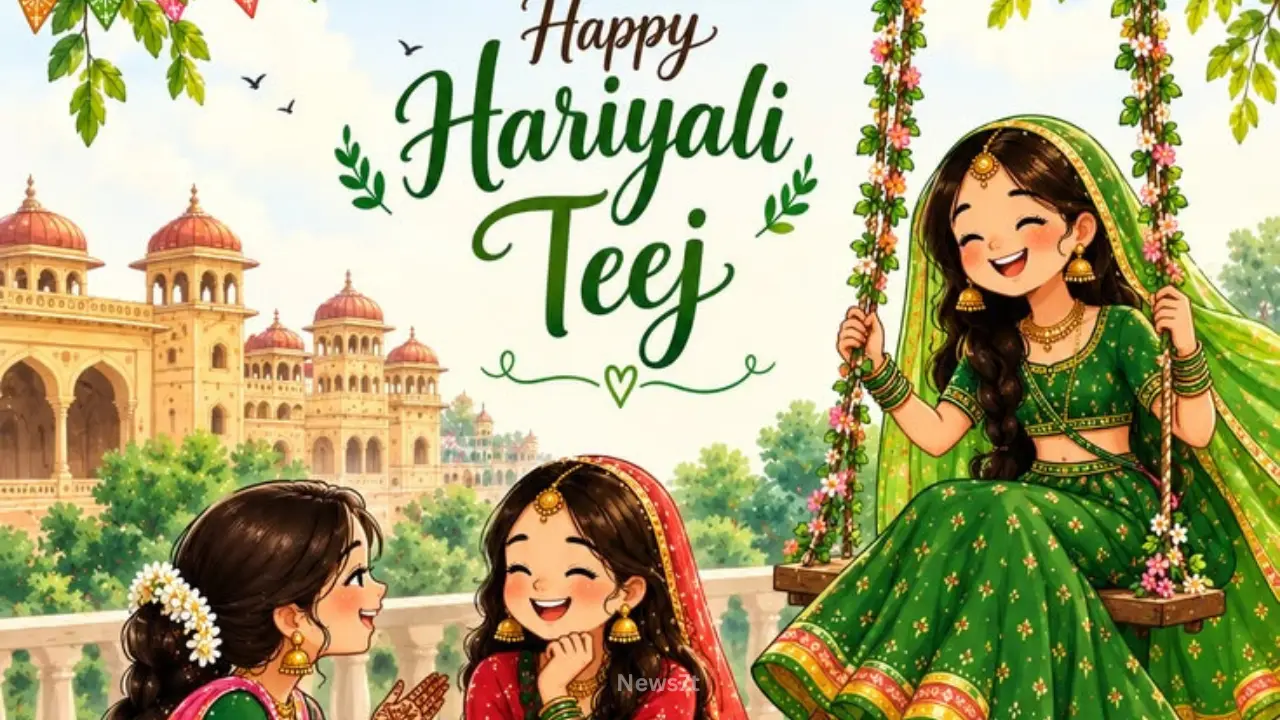
Folk songs are an important part of Teej. Traditional songs often describe the monsoon, emotions associated with returning to the parental home, marriage, relationships and the arrival of rain. These songs were historically passed orally from one generation to another.
Today, some traditional songs are being adapted for stage performances and digital platforms. Social media and video platforms have created new opportunities for regional folk traditions to reach wider audiences. However, preserving traditional songs requires more than simply uploading them online. Their cultural context and original meanings should also be understood and respected.
How Young People Can Keep Hariyali Teej Alive
Young people have an important role in preserving cultural traditions. Instead of treating Teej only as an old-fashioned festival, younger generations can explore its history and adapt celebrations to modern lifestyles. Students can organize cultural programs, create educational videos, document local Teej traditions and interview older family members about how the festival was celebrated in the past.
They can also promote eco-friendly celebrations. Digital platforms can be used to share authentic folk songs, traditional recipes and regional customs. This can help prevent cultural traditions from disappearing. Tradition does not necessarily mean refusing change. It can mean preserving the meaning while allowing the method of celebration to evolve.
How to Celebrate Hariyali Teej 2026 in a Simple and Beautiful Way
A meaningful Hariyali Teej celebration does not need to be expensive. Families can begin the day with prayer and spend time together. Women can wear traditional outfits, apply mehndi and enjoy homemade festive food. A small swing can be decorated safely.
Families can organize folk-song sessions or cultural games. A tree plantation activity can add an environmental message. Instead of exchanging expensive gifts, people can give practical or handmade presents. Such celebrations reduce financial pressure while preserving the emotional and cultural spirit of the festival.
Hariyali Teej and the Importance of Family Bonds
In today’s busy lifestyle, festivals can provide valuable opportunities for families to reconnect. People often move away from their hometowns for education, employment and other reasons. Festivals such as Teej create occasions to communicate with relatives and maintain emotional connections.
The tradition of visiting one’s parental home during Teej is particularly meaningful in many communities. These customs highlight the importance of family relationships.Even when physical visits are not possible, phone calls and video calls can help maintain those connections. The real value of a festival often lies in the relationships it strengthens.
What Makes Hariyali Teej Different From Other Teej Festivals?
There are several Teej festivals observed in Hindu tradition, including Hariyali Teej, Kajari Teej and Hartalika Teej. Hariyali Teej is associated strongly with the monsoon season and greenery. Kajari Teej is traditionally celebrated later in the monsoon period and has its own regional customs.
Hartalika Teej is associated with the story of Goddess Parvati and her determination to marry Lord Shiva. Although these festivals share certain themes, their dates, rituals and regional traditions differ. Understanding these distinctions helps people appreciate India’s diverse festival calendar.
The Real Meaning of Hariyali Teej 2026
The deepest message of Hariyali Teej 2026 is not about expensive clothes, elaborate decorations or social media photographs. It is about devotion, relationships, cultural memory, nature and renewal. The festival reminds us that traditions survive when people understand their meaning and pass them to the next generation.
It also reminds us that traditions can evolve. A healthier approach to fasting, eco-friendly decorations, reasonable spending and inclusive celebrations can make the festival more suitable for modern life without destroying its cultural identity.
Hariyali Teej 2026 brings together spirituality, monsoon beauty, women’s traditions, family relationships, folk culture and the vibrant colours of Indian festivals. Its connection with Goddess Parvati and Lord Shiva gives it deep religious importance, while its association with greenery and rainfall gives it a unique seasonal identity.
At its best, Teej creates happiness, strengthens relationships and keeps cultural traditions alive. However, modern celebrations can sometimes introduce unnecessary pressure through excessive spending, social comparison, food waste and unhealthy fasting practices.