
Baisakhi Festival 2026: Inspiring History, Powerful Significance and Untold Truths You Must Know
Disha9 min read
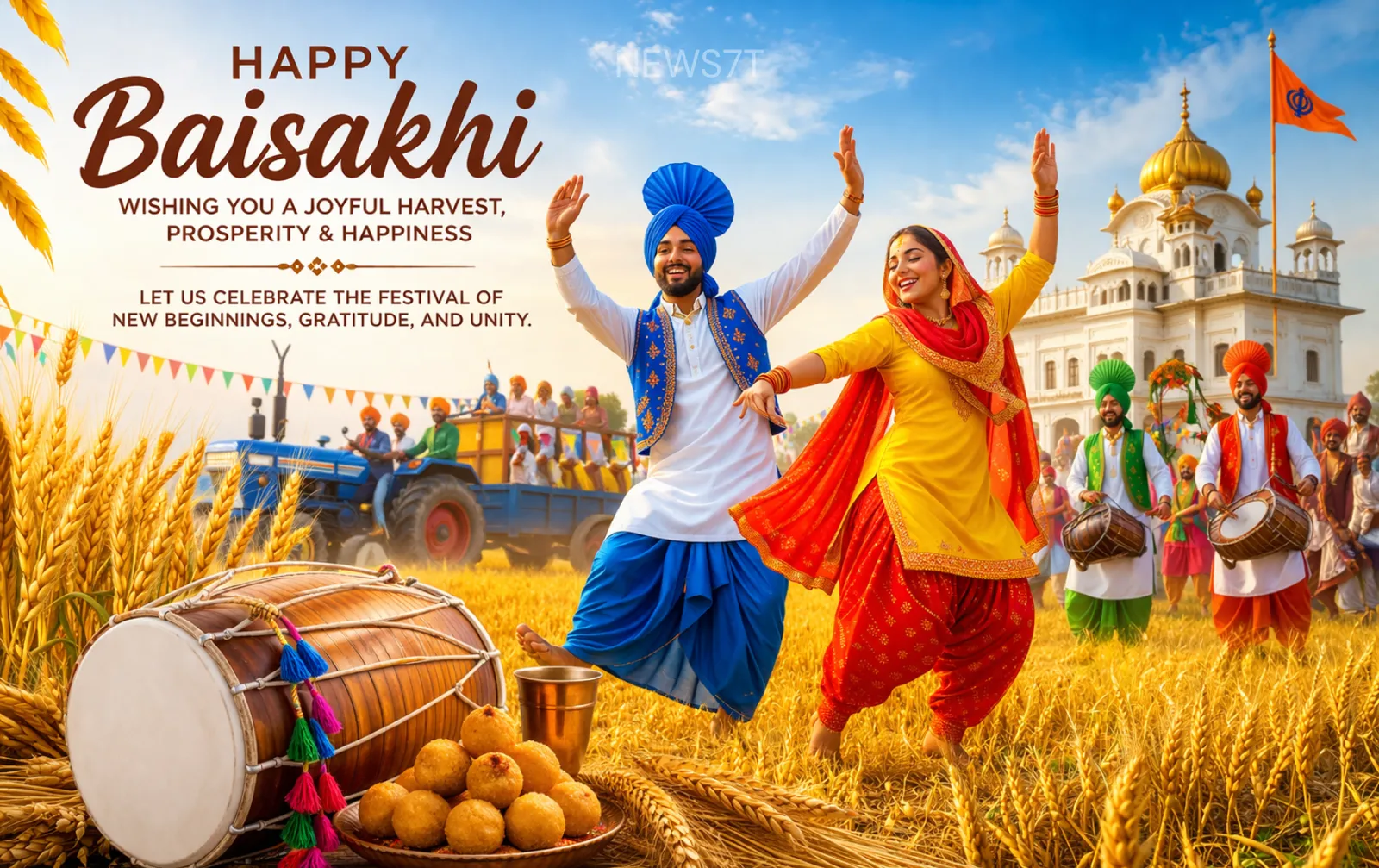
Baisakhi Festival is one of the most vibrant and culturally rich festivals celebrated in India, especially in the northern states like Punjab and Haryana. This festival holds both agricultural and religious importance, making it unique among Indian festivals. Historically, Baisakhi marks the harvest of Rabi crops, particularly wheat, which is a major source of income for farmers. After months of hard work in the fields, farmers celebrate this day with joy and gratitude. Along with its agricultural significance, Baisakhi also has deep roots in Sikh history, as it commemorates the formation of the Khalsa Panth by Guru Gobind Singh Ji in 1699.
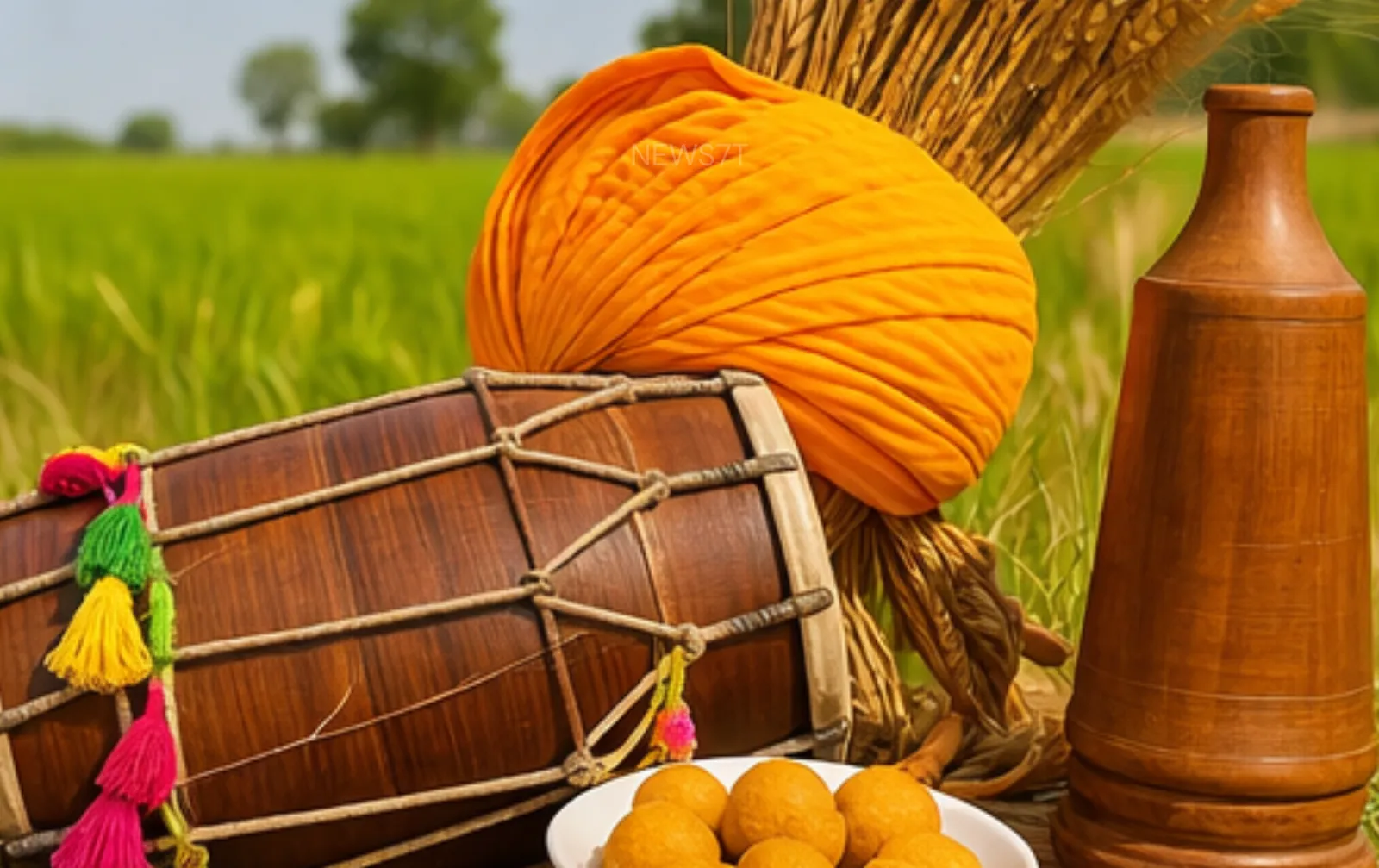
On this day, people wake up early, take a holy bath, and visit gurudwaras to offer prayers and seek blessings. Special kirtans and langars are organized, where food is served to everyone without any discrimination. The atmosphere becomes lively with traditional music, dance, and fairs. People wear bright-colored clothes and participate in celebrations with full enthusiasm. The Baisakhi 2026 Festival also symbolizes new beginnings, positivity, and prosperity. It is not just a festival but a reflection of India’s cultural diversity and unity, bringing people together in happiness and celebration.
Table of Contents
Why Baisakhi is Celebrated Meaning and Cultural Importance Explained
The Baisakhi Festival 2026 is expected to be celebrated on April 13 or 14, depending on the solar calendar followed in India. The date of the Baisakhi Festival is determined by the position of the sun as it enters the Mesha (Aries) zodiac sign, marking the beginning of the solar new year. This astronomical significance makes the Baisakhi Festival an important occasion not only culturally but also scientifically.
The auspicious timing, or shubh muhurat, of the Baisakhi Festival is generally observed during the daytime when devotees perform religious rituals and prayers. On the day of the Baisakhi Festival, people wake up early in the morning, take a bath, and visit gurudwaras or temples to seek blessings for prosperity, health, and success. Special prayers and kirtans are organized during the Baisakhi Festival, and people participate with devotion and faith.
The Baisakhi Festival 2026 is also marked by Nagar Kirtans, where religious processions are carried out with singing and chanting of hymns. These processions during the Baisakhi Festival create a spiritual atmosphere and bring communities together. Knowing the correct date and muhurat of the Baisakhi Festival is important for those who wish to follow traditional practices accurately, as it ensures that rituals are performed at the right time and enhances their spiritual significance.
Overall, the timing of the Baisakhi Festival adds another layer of meaning to this already important celebration, making the Baisakhi Festival both spiritually and culturally significant, joyful occasion for everyone .

Baisakhi 2026 Date and Auspicious Timing Complete Guide
The Baisakhi Festival 2026 is expected to be celebrated on April 13 or 14, depending on the solar calendar followed in India. The date of the Baisakhi Festival is determined by the position of the sun as it enters the Mesha (Aries) zodiac sign, marking the beginning of the solar new year. This astronomical significance makes the Baisakhi Festival an important occasion not only culturally but also scientifically.
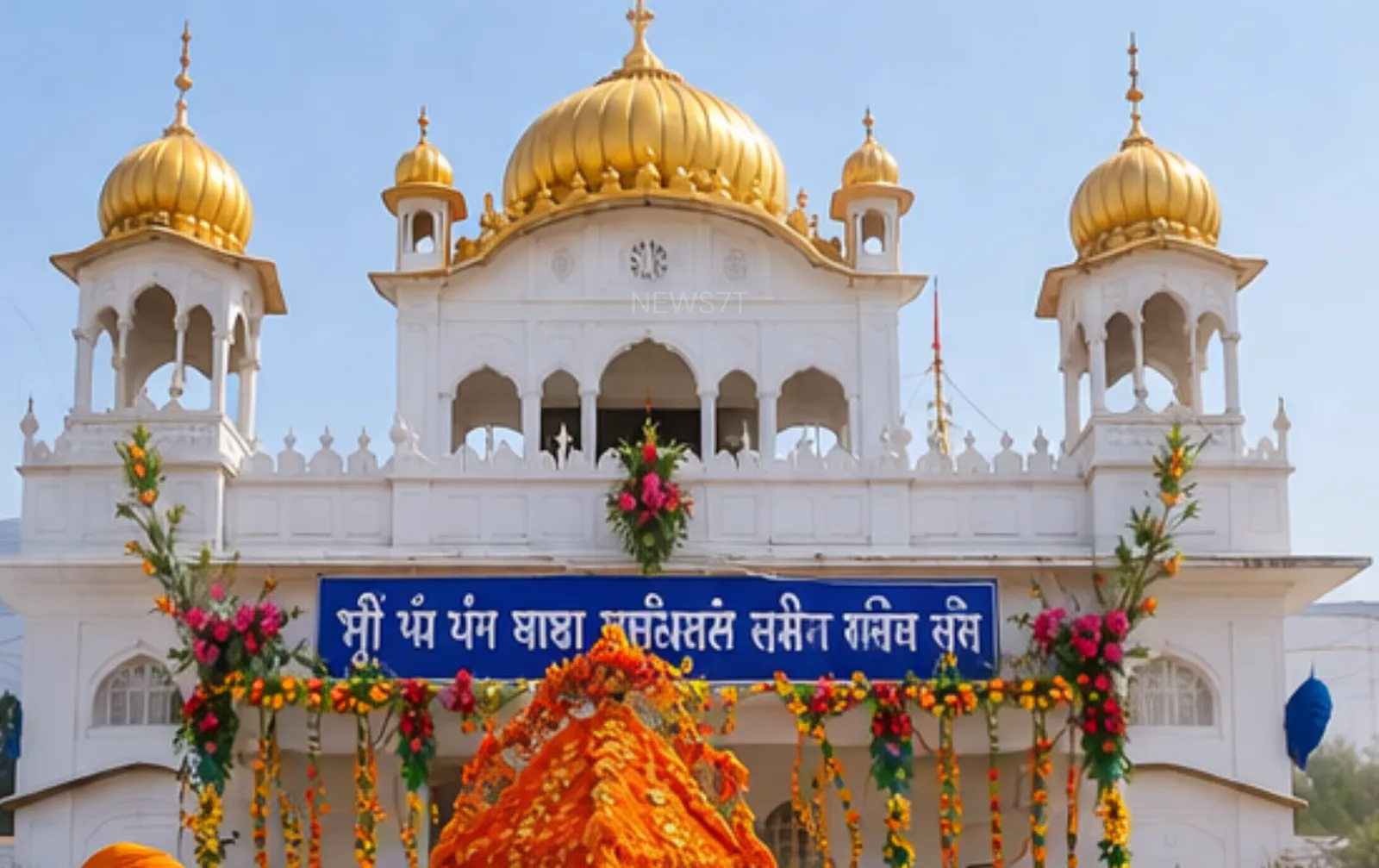
The शुभ मुहूर्त, or auspicious timing of the Baisakhi Festival, is generally observed during the daytime when devotees perform religious rituals and prayers. On the day of the Baisakhi Festival, people wake up early in the morning, take a bath, and visit gurudwaras or temples to seek blessings for prosperity, health, and success. Special prayers and kirtans are organized during the Baisakhi Festival, and people participate with devotion and faith.
The Baisakhi Festival 2026 is also marked by Nagar Kirtans, where religious processions are carried out with singing and chanting of hymns. These processions during the Baisakhi Festival create a spiritual atmosphere and bring communities together. Knowing the correct date and muhurat of the Baisakhi Festival is important for those who wish to follow traditional practices accurately. It ensures that rituals are performed at the right time, enhancing their spiritual significance.
Overall, the timing of the Baisakhi Festival adds another layer of meaning to this already important celebration, making the Baisakhi Festival both spiritually and culturally significant.
Baisakhi Festival in Punjab Traditions, Dance and Food
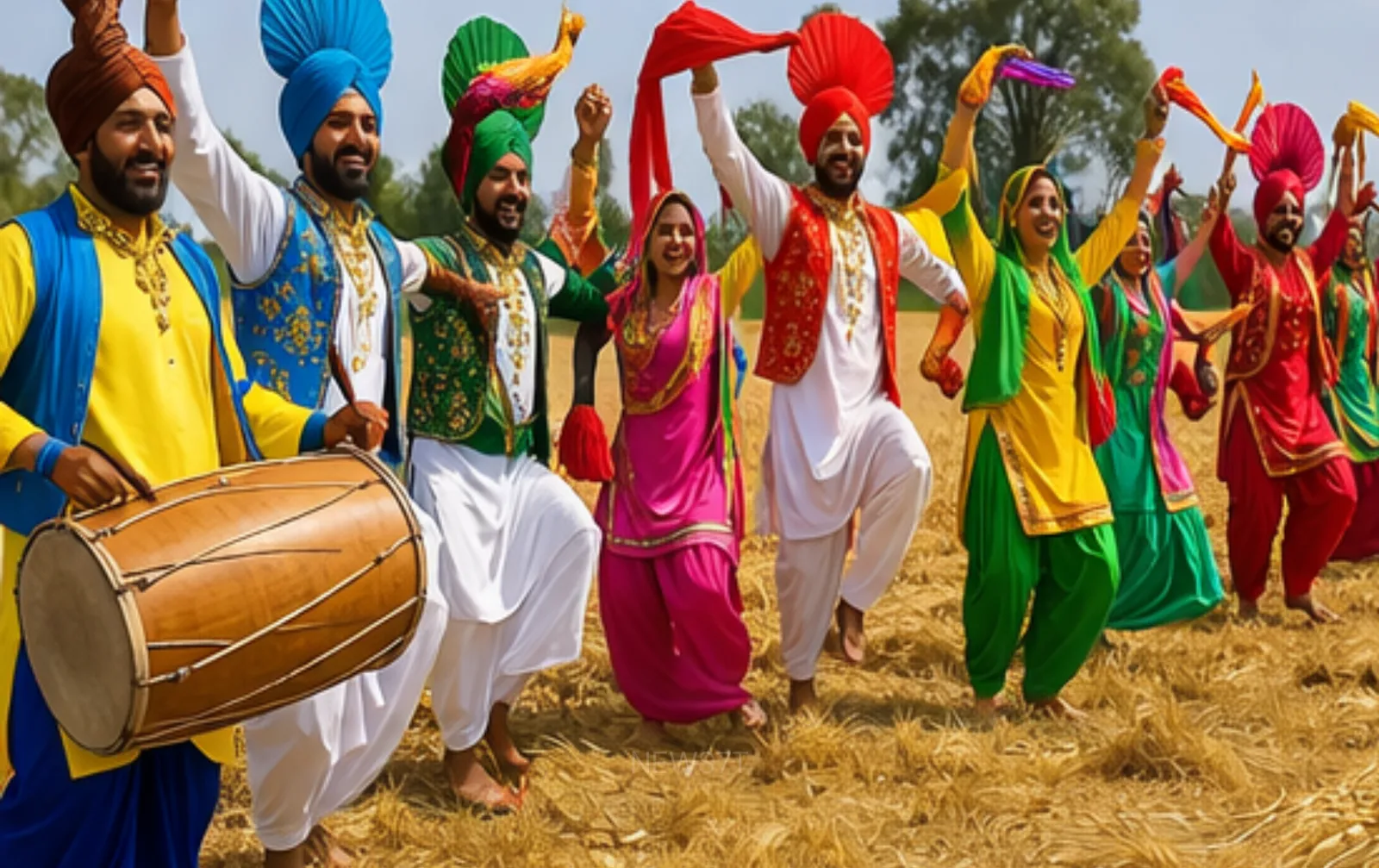
Punjab is the heart of Baisakhi celebrations, where the Baisakhi 2026 Festival is observed with unmatched enthusiasm and energy. The festival reflects the true spirit of Punjabi culture, filled with music, dance, and delicious food. On this day, people dress in traditional attire, with men wearing colorful turbans and women adorning beautiful salwar kameez. The highlight of the celebration is the performance of traditional dances like Bhangra and Gidda, which are performed on the beats of dhol.
These dances symbolize joy and excitement and are an integral part of Punjabi culture. In addition to dance, fairs or “melas” are organized in villages and cities, where people enjoy rides, games, and cultural performances. Food is another important aspect of the Baisakhi 2026 Festival in Punjab. Traditional dishes like makki di roti, sarson da saag, chole bhature, and sweet lassi are prepared and shared with family and friends. Gurudwaras play a central role in the celebrations, where people gather for prayers and langar, a community meal served to all. The entire atmosphere is filled with happiness, laughter, and togetherness, making Baisakhi one of the most joyful festivals in Punjab.
Religious Importance of Baisakhi in Sikhism and Khalsa Panth
The Baisakhi 2026 Festival holds immense religious significance for the Sikh community, as it commemorates the formation of the Khalsa Panth by Guru Gobind Singh Ji in 1699. On this historic day, Guru Gobind Singh Ji initiated the first five members of the Khalsa, known as the Panj Pyare, and established a code of conduct for Sikhs.
This event marked a turning point in Sikh history, promoting values like equality, courage, and justice. During Baisakhi, Sikhs visit gurudwaras to offer prayers, listen to kirtans, and participate in religious ceremonies. The reading of the Guru Granth Sahib and the organization of Nagar Kirtans are important parts of the celebration. The Baisakhi 2026 Festival is also a time for reflection and spiritual growth, as people remember the teachings of the Sikh Gurus and strive to follow them in their lives. The concept of langar, where free food is served to everyone regardless of their caste, religion, or status, highlights the importance of equality and community service.
How Baisakhi is Celebrated Across Different States of India
Although the Baisakhi 2026 Festival is most prominently celebrated in Punjab, it is observed in various forms across different states of India. Each region has its own unique traditions and customs, but the essence of celebrating harvest and new beginnings remains the same.In West Bengal, the festival is called Pohela Boishakh, and it marks the Bengali New Year with cultural events and big meals.In Assam, it is known as Bohag Bihu, which includes traditional dances, music, and community gatherings.
In Kerala, the festival of Vishu is celebrated with rituals and special meals, while in Tamil Nadu, Puthandu marks the Tamil New Year. Despite the differences in names and traditions, all these festivals share a common theme of gratitude towards nature and celebration of prosperity. The Baisakhi 2026 Festival, therefore, represents the unity in diversity of India, showcasing how different cultures come together to celebrate similar values. This diversity makes the festival even more special and highlights the rich cultural heritage of the country.
Baisakhi Festival Foods Traditional Dishes You Must Try
Food is an essential part of the Baisakhi 2026 Festival, adding flavor and joy to the celebrations. Traditional dishes prepared during this festival reflect the rich culinary heritage of Punjab and other regions. One of the most popular dishes is kada prasad, which is served in gurudwaras as a sacred offering. Other traditional foods include makki di roti, sarson da saag, chole bhature, and various sweets like kheer and jalebi.
These dishes are prepared with fresh ingredients and are often shared with family and friends, symbolizing love and togetherness. The preparation and sharing of food during Baisakhi also highlight the importance of community and hospitality. In addition to traditional dishes, modern variations and fusion recipes are also becoming popular, especially among younger generations. The Baisakhi 2026 Festival is a perfect time to enjoy delicious food and explore different flavors, making it a delightful experience for everyone.
Baisakhi Harvest Festival Importance for Farmers in India
The Baisakhi 2026 Festival is primarily a harvest festival, making it extremely important for farmers across India. It marks the time when Rabi crops, especially wheat, are harvested and ready to be sold in the market. For farmers, this is a moment of joy and relief, as it reflects the success of their hard work and dedication. The festival is a way to thank God for a good harvest and to pray for future prosperity. Farmers celebrate by decorating their fields, singing songs, and participating in community gatherings.
The Baisakhi 2026 Festival also highlights the importance of agriculture in India’s economy, as a large portion of the population depends on farming for their livelihood. This festival serves as a reminder of the challenges faced by farmers and the need to support them. It also emphasizes the connection between humans and nature, encouraging people to respect and protect the environment.
Bhangra and Gidda Traditional Dance Forms of Baisakhi
Bhangra and Gidda are the most popular dance forms associated with the Baisakhi 2026 Festival, bringing energy and excitement to the celebrations. Bhangra is traditionally performed by men and involves energetic movements and rhythmic steps, while Gidda is performed by women and is known for its graceful and expressive style. These dances are performed on the beats of the dhol, creating a lively and festive atmosphere.
The performances often take place in open fields, community centers, and during fairs, attracting large audiences. The Baisakhi 2026 Festival becomes incomplete without these traditional dances, as they reflect the joy and spirit of the people. In recent years, Bhangra and Gidda have gained popularity worldwide, with performances being held in different countries. These dance forms not only entertain but also preserve cultural heritage and promote Indian traditions on a global platform.
Interesting Facts You Should Know
There are many interesting facts about the Baisakhi 2026 Festival that make it unique and special. It is not only a harvest festival but also marks the Sikh New Year and the formation of the Khalsa Panth. The festival is celebrated not just in India but also in countries like Canada, the UK, and the USA, where Punjabi communities live. Another interesting fact is that Baisakhi fairs attract thousands of people and include cultural programs, games, and food stalls.
The Baisakhi 2026 Festival also plays a significant role in promoting tourism, as people travel to Punjab to experience the celebrations. Additionally, the festival highlights the importance of unity and equality, as seen in the practice of langar. These facts make Baisakhi more than just a festival; it is a celebration of culture, history, and community spirit.
Significance of Baisakhi in Sikhism
The Baisakhi 2026 Festival holds immense religious importance for the Sikh community, as it marks the historic formation of the Khalsa Panth by Guru Gobind Singh Ji in 1699. On this day, Guru Gobind Singh Ji initiated the first five members of the Khalsa, known as the Panj Pyare, and established a strong foundation for Sikh identity and values. This event promoted equality, courage, discipline, and the fight against injustice, making it one of the most important moments in Sikh history. During Baisakhi, Sikhs visit gurudwaras to offer prayers, listen to kirtans, and participate in religious ceremonies.
The reading of the Guru Granth Sahib and the organization of langar, a free community meal, are key aspects of the celebration. Langar represents the values of equality and service, as people from all backgrounds sit together and share food. The Baisakhi 2026 Festival is also a time for reflection, where people remember the teachings of the Sikh Gurus and try to follow them in their daily lives. It strengthens faith and encourages people to live with honesty, kindness, and courage. This religious aspect of Baisakhi makes it more than just a festival, turning it into a deeply meaningful and spiritual experience.