
26/11 Mumbai Attack: Timeline, Heroes & Lasting Lessons
Nisha5 min read
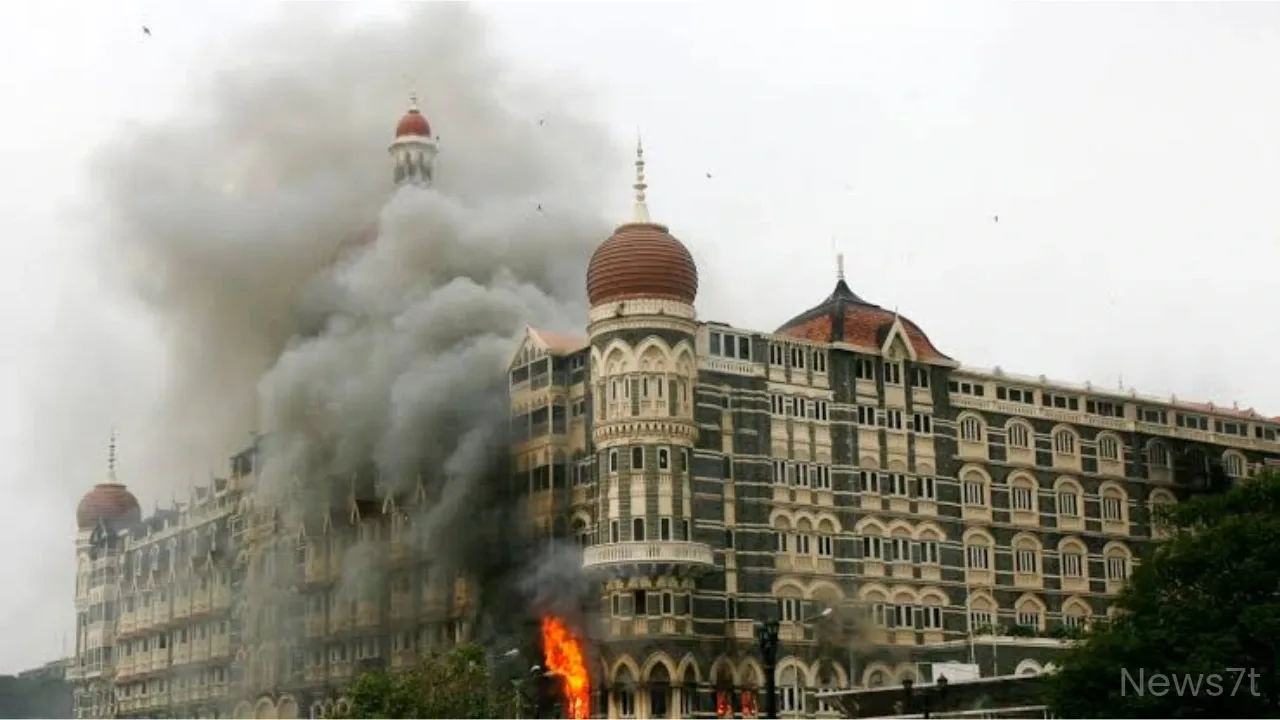
The 26/11 Mumbai attack remains one of the darkest chapters in India's modern history. Beginning on the evening of November 26, 2008, ten armed members of the Pakistan-based terrorist organization Lashkar-e-Taiba carried out twelve coordinated shooting and bombing attacks across South Mumbai.
Over four days, the city was held hostage as attackers targeted bustling public spaces, iconic hotels, and a Jewish community center. The tragedy claimed the lives of 166 people, including Indian citizens, foreign nationals, and brave security personnel, while injuring more than 300 others. Today, the event stands as a sobering reminder of global terrorism and the enduring resilience of Mumbai's people.
Timeline of the 26/11 Mumbai Attack (November 26–29, 2008)
The attackers arrived in Mumbai by sea on the night of November 26, using inflatable speedboats after hijacking an Indian fishing trawler. Once ashore near Colaba, they split into small teams to strike multiple high-profile locations simultaneously.
Chhatrapati Shivaji Terminus (CST): Around 9:30 PM, two gunmen entered the crowded passenger hall of Mumbai's main railway station. They opened fire indiscriminately and threw grenades, killing 58 people and injuring over 100 before fleeing toward Cama Hospital.
Leopold Cafe: Almost simultaneously, two other attackers targeted this popular restaurant and bar in Colaba, a frequent gathering spot for both locals and international tourists. The sudden gunfire killed 10 people and left many more wounded within minutes.
Taj Mahal Palace Hotel: Four terrorists entered the historic Taj Mahal Palace Hotel, taking hostages and setting fire to the iconic central dome. For nearly 60 hours, gunmen moved through the labyrinthine corridors, resulting in the deaths of 31 people at the property.
Oberoi Trident: Two attackers stormed the luxury Oberoi Trident hotel complex, trapping hundreds of guests and staff inside their rooms. Security forces battled the gunmen until November 28, when the hotel was finally cleared after 30 people lost their lives.
Nariman House: Two terrorists seized the Chabad House at Nariman House, a Jewish outreach center, taking several residents hostage. Commandos eventually breached the building on November 28, though six hostages, including Rabbi Gavriel Holtzberg and his wife Rivka, were killed.
Other targets during the 2008 Mumbai attacks included Cama Hospital, Metro Cinema, and two taxis destroyed by planted explosives. By the morning of November 29, Indian security forces regained full control of all sites, bringing the siege to an end.
NSG Operation, Police, and Security Forces
The immediate response fell to the Mumbai Police, who confronted heavily armed militants using outdated bolt-action rifles and minimal protective gear. Despite being outgunned, local officers acted swiftly to evacuate civilians, cordon off danger zones, and engage the attackers directly.
As the scale of the Mumbai terror attack became clear, the Indian government deployed the National Security Guard (NSG), an elite counter-terrorism unit, from New Delhi. Launching Operation Black Tornado, NSG commandos arrived in Mumbai on the morning of November 27 and took charge of clearing the Taj Mahal Palace Hotel, Oberoi Trident, and Nariman House.
Marine Commandos (MARCOS) of the Indian Navy also played a vital role in the initial storming of the Taj Hotel before the NSG assumed command. Working alongside local police, fire brigades, and medical teams, these forces rescued hundreds of trapped hostages while neutralizing nine of the ten attackers.
Heroes and Remembrance: Tributes to Bravery and Sacrifice
The 26/11 Mumbai attack revealed extraordinary courage among both uniformed personnel and ordinary citizens. Many first responders knowingly walked into crossfire to protect innocent lives.
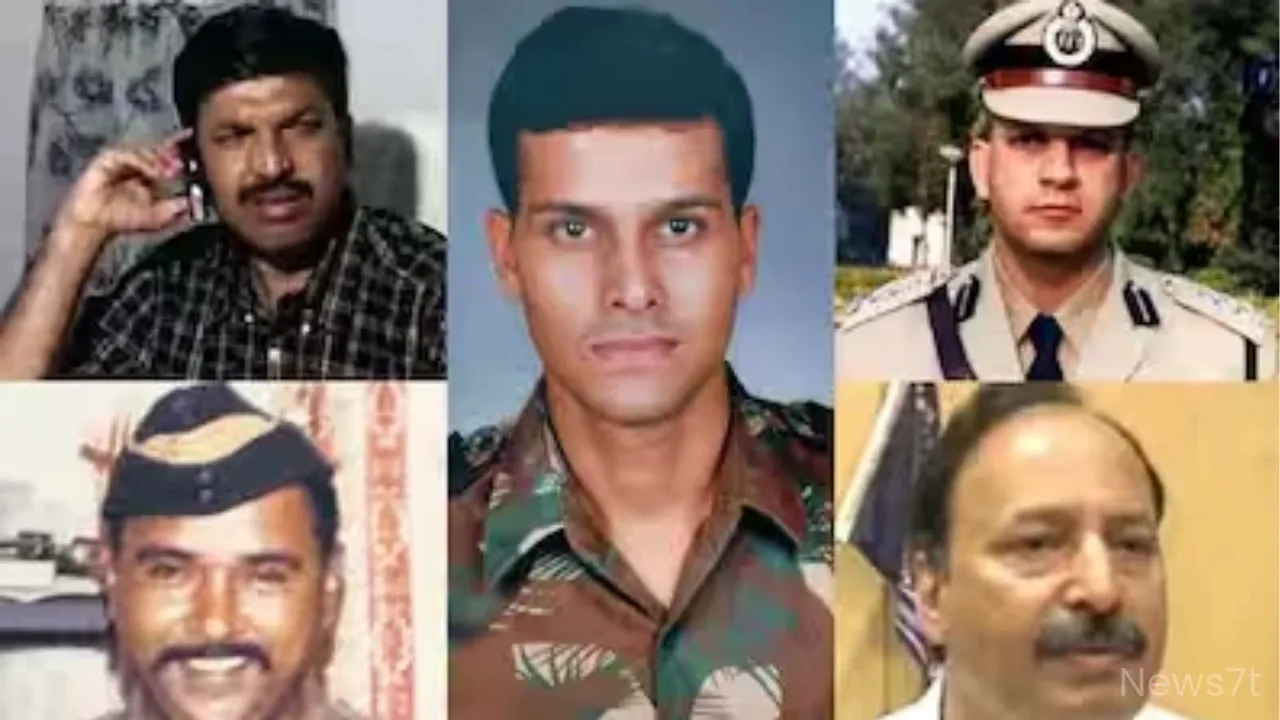
Hemant Karkare, Ashok Kamte, and Vijay Salaskar: Three senior Mumbai Police officers were killed in an ambush near Cama Hospital while tracking the gunmen who fled CST.
Tukaram Omble: An unarmed Assistant Sub-Inspector who grabbed the barrel of terrorist Ajmal Kasab's rifle during a roadblock at Girgaum Chowpatty. Omble took multiple bullets to ensure Kasab was captured alive, providing critical evidence of the plot's origins.
Major Sandeep Unnikrishnan: An NSG commando officer who led the rescue operation inside the Taj Mahal Palace Hotel. He was fatally shot while shielding an injured comrade from gunfire.
Taj Hotel Staff: Employees like General Manager Karambir Kang—who lost his wife and two sons in the fire—and chef Hemant Oberoi refused to abandon guests. Staff members formed human shields and guided hundreds to safety through service exits.
Every year on the 26/11 anniversary, memorials across the city honor these fallen heroes alongside the 166 victims whose lives were cut short.
Security Reforms and Lessons Learned Since 2008
The 26/11 Mumbai attack exposed major gaps in India's coastal surveillance, intelligence sharing, and rapid-response capabilities. In the years following the tragedy, the government implemented sweeping structural reforms to prevent a repeat of such a failure.
First, India overhauled its coastal security network. The Indian Navy and Indian Coast Guard were given clear mandates for maritime defense, supported by new coastal police stations, radar chains, and mandatory biometric IDs for fishermen.
Second, authorities established the National Investigation Agency (NIA) in December 2008 to serve as a dedicated federal body for investigating terror-related offenses across state lines. Intelligence coordination was strengthened through the revamped Multi-Agency Centre (MAC), ensuring real-time data sharing between central and state agencies
Third, specialized rapid-response units were decentralized. Regional hubs of the NSG were set up in major cities, including Mumbai, while Maharashtra formed Force One, an elite urban counter-terrorism police unit equipped with modern weaponry and tactical gear.
Why We Remember 26/11 Today
More than a decade later, the memory of the Taj Hotel attack and the broader siege continues to shape public consciousness in India and around the world. Remembering 26/11 is not merely about recounting a tragedy; it is about honoring the unity that emerged in its aftermath.
During those four days, Mumbai's residents opened their homes to stranded strangers, donated blood in long queues, and supported emergency workers without hesitation. The city returned to work almost immediately after the siege ended, demonstrating a quiet refusal to let fear dictate daily life.
Studying the 26/11 Mumbai attack also reinforces the ongoing need for vigilance, international cooperation against terrorism, and continuous investment in public safety infrastructure.
The 26/11 Mumbai attack tested the spirit of a vibrant metropolis, leaving deep scars on families, survivors, and the nation as a whole. Yet through the selfless sacrifice of security personnel, hotel staff, and everyday citizens, humanity prevailed over violence. As we remember the lives lost in November 2008, we pay lasting tribute to their courage and reaffirm our shared commitment to peace, resilience, and vigilance.